
Achilles tendon injuries
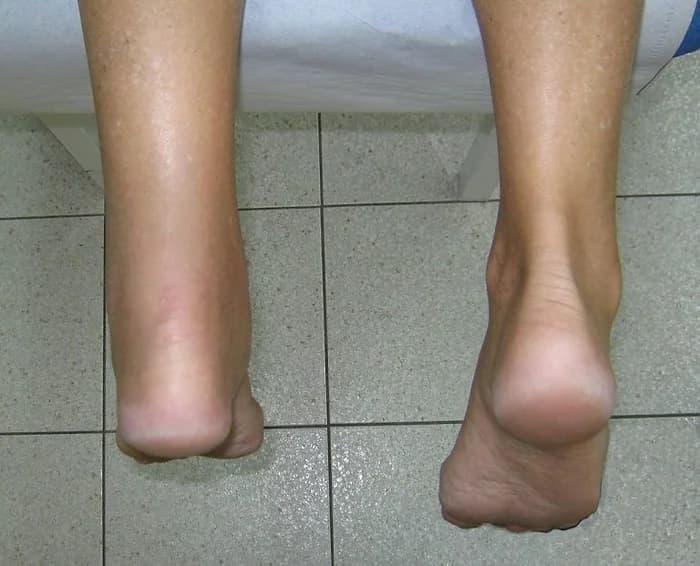
Most Achilles pain is tendinopathy, an overload injury rather than inflammation. A gradual calf-strengthening program is the treatment that works best.
The Achilles tendon is the thick cord at the back of your ankle.¹ It's the largest tendon in the body, and it lets you lift your heel when you walk, run and jump.² The most common Achilles problem is tendinopathy, a painful overload injury. The good news is that most Achilles tendon injuries don't need surgery.¹
The Achilles tendon
Your two calf muscles, gastrocnemius and soleus, join together to form the Achilles tendon. It attaches the calf muscles to the back of your heel bone (calcaneus).² A small muscle called plantaris runs alongside it.
Tendinitis or tendinopathy?
Achilles pain used to be called "tendinitis", which means inflammation of the tendon.¹ We now know inflammation usually isn't the main problem. Achilles tendinopathy is a long-term condition that weakens the tendon: it happens when the tendon can't heal from many small tears that keep occurring.¹ "Tendinopathy" is now the umbrella term for a tendon that hurts when you load it.³
Pain in this area isn't always the tendon itself. The tissue around the tendon, the plantaris tendon, a nerve or a stress fracture can cause similar pain,³ so it's worth having it properly assessed.
Symptoms
Achilles tendinopathy can cause:
- pain when walking or jumping
- a tendon that is sore to touch
- swelling around your heel and lower leg
- stiffness, mostly in the morning or after you've been still for a while.¹
Early on, pain may only come on with activity. Without the right care, it can start to hang around more of the time.
A sudden tear (rupture) is different. It can feel like a strike to the back of your ankle, and you may hear a popping sound.¹ If this happens, see a doctor straight away.
How does it develop?
Achilles tendinopathy is caused by overloading or weakening the tendon.¹ In other words, the load going through it is more than it can adapt to. Things linked with it include:
- a sudden change or increase in activity, or not enough rest between sessions¹
- tight or weak calf muscles¹,³
- previous lower-limb tendon problems or a fracture³
- exercising in cold weather¹,³
- getting older, and a family history of tendon problems¹
- some antibiotics (quinolones).³
The evidence for many commonly blamed factors, such as body weight and foot posture, is weak or mixed.³
Treatment
Keep moving, but adjust the load. Complete rest isn't recommended. Ease off the activities that flare your pain, but keep doing what you can within a tolerable level of discomfort.¹,³
Strengthening is the main treatment. A tendon-loading program, such as calf raises that are made gradually harder, is the first-line treatment. It works best for reducing pain and getting you back to normal function.³ It takes time and consistency.
Other treatments are extras, not cures. Heel lifts can ease the strain on the tendon for a while.³ Dry needling may help calf muscle pain and stiffness, especially if exercise is hard to tolerate at first.³ Taping and hands-on therapy have only weak evidence. Low-level laser isn't recommended for the most common type of Achilles tendinopathy, and ultrasound therapy on its own isn't either.³ There isn't enough evidence yet to say whether foot orthoses (shoe inserts) help.³ Ask your pharmacist or GP before taking pain relief.
What to expect at FALL
Our podiatrists look at your activity and training, your footwear, your calf strength and how you move, including on our treadmill gait analysis system.
We'll build a graded strengthening program with you and progress it as you improve. We may add short-term help such as heel lifts, taping or dry needling to settle pain while your tendon gets stronger. The aim is to get you back to your usual activities and lower the chance of the pain coming back.
If your Achilles is sore, book an appointment with our team in Booragoon.
References
- Healthdirect Australia (2025). Achilles tendon. https://www.healthdirect.gov.au/achilles-tendon
- Better Health Channel (2020). Achilles tendinopathy. Victorian Department of Health. https://www.betterhealth.vic.gov.au/health/conditionsandtreatments/achilles-tendonitis
- Chimenti RL, Neville C, Houck J, et al. (2024). Achilles pain, stiffness, and muscle power deficits: midportion Achilles tendinopathy revision – 2024. Journal of Orthopaedic & Sports Physical Therapy, 54(12), CPG1–CPG32. https://doi.org/10.2519/jospt.2024.0302
Reviewed by Andrew Schox, Podiatrist, BSc(Hons) PGradDipPod MPod. Last reviewed October 2026.
Need Professional Podiatry Care?
Our experienced team is here to help with all your foot and ankle concerns. Book an appointment today for expert diagnosis and treatment.
Book an AppointmentRelated Articles

Cortisone injections: relief for foot and ankle pain
A cortisone injection can calm a painful joint, bursa or nerve within days, and the relief often lasts weeks to months. It works best as one part of a wider treatment plan.
Why are my toenails unsightly?
Thick, discoloured or misshapen toenails are common. Fungal infection, injury, ageing, skin conditions and ingrown nails are the usual causes, and most can be treated or managed.
Why do I get calf muscle cramps?
Calf cramps are common and usually harmless, often linked to tired muscles, exercise or age. Cramping pain that comes on with walking and eases with rest is different and needs checking.