
Ageing skin
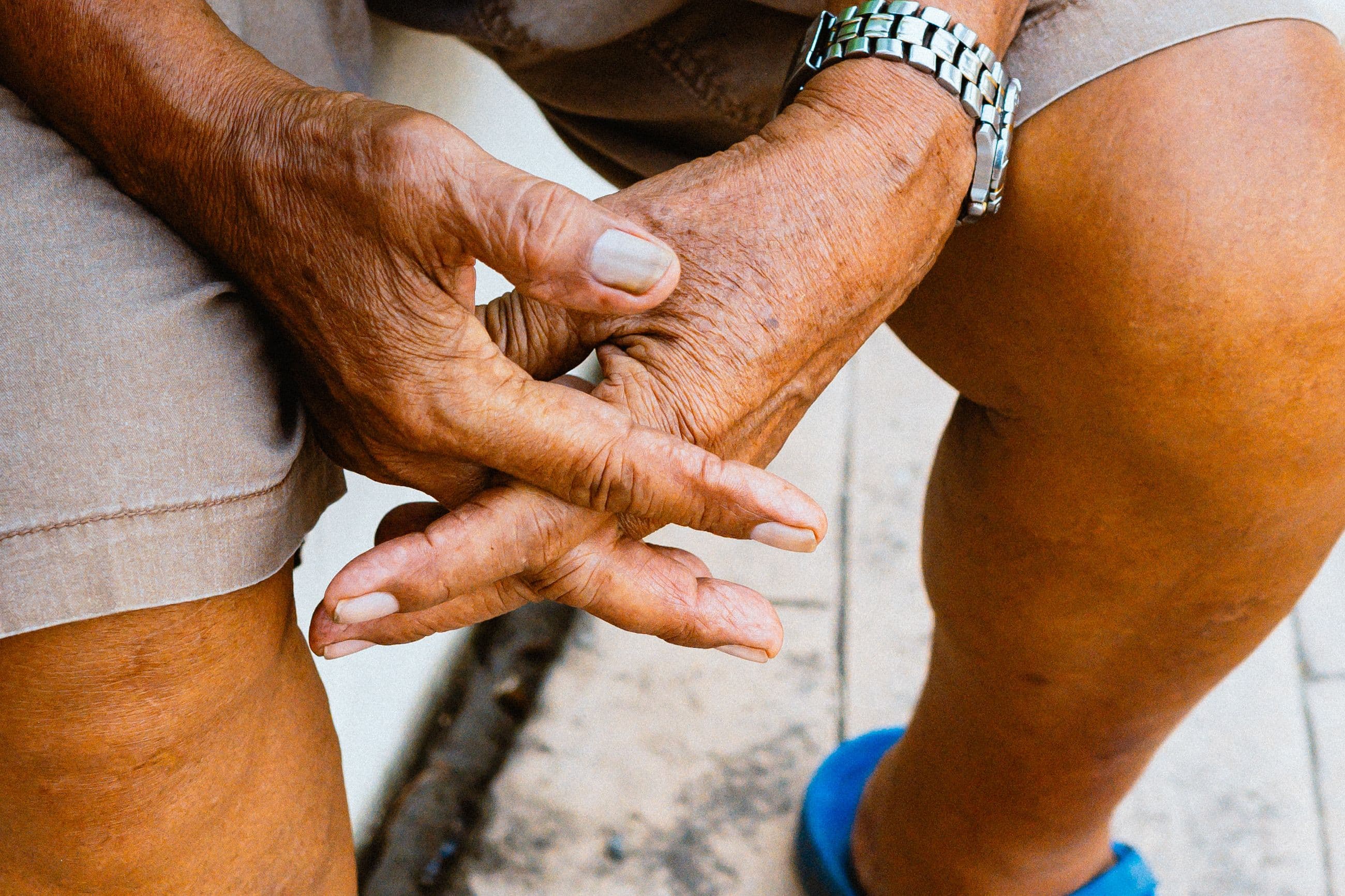
As you get older your skin becomes thinner and drier, and your feet lose some of their natural padding. Sun protection, gentle skin care and regular foot checks all help.
Skin is the first part of the body to show signs of age.¹ Some changes, like thinning and dryness, are a normal part of getting older. Others, like sun damage, can be reduced with good habits. Your feet need some extra attention too, because you walk on them all day and keep them in shoes.
How does skin change as you age?
Healthy ageing skin becomes thinner, saggier and more wrinkled, and you may notice age spots, broken blood vessels and dry patches.¹ In more detail:
- Thinner skin. The outer layer of skin makes new cells more slowly and becomes thinner, so skin creases and wrinkles more easily.¹
- Dryness. Older skin has fewer sweat and oil glands, which makes it more prone to roughness and itching.¹
- Easy bruising. Blood vessels in older, thinner skin break and bruise more easily.¹
- Slower-growing nails. Nails grow more slowly and may become dull and brittle. Toenails in particular can become hard and thick, and ingrown toenails may be more common.²
Some unhealthy skin changes, including skin cancer, also become more common with age. They're usually made worse by sun exposure.¹
How do your feet change?
As you age, your feet tend to spread, and you lose some of the fatty pads that cushion the bottom of your heels and the balls of your feet.³ Dry skin and brittle nails are also common in older people.³ Thinner padding and drier skin mean more pressure on the skin you walk on. That's one reason hard skin (callus) and corns often build up as you get older.
How can you protect your skin?
You can't stop your skin ageing, but you can slow some of the changes:
- Protect yourself from the sun. Sun exposure speeds up skin ageing. When you're outdoors, wear a hat, loose clothing and sunglasses, and use SPF30+ broad-spectrum sunscreen.¹ Don't forget the tops of your feet if you're wearing sandals.
- Don't smoke. Smoking promotes wrinkles and is thought to speed up sun damage.¹
- Moisturise regularly if your skin is dry.¹
- Be gentle with your skin. Perfumed soaps, heavily chlorinated pools and long hot showers can make dryness worse. Choose a soap or body wash labelled "neutral" or pH-balanced.¹
Caring for the skin on your feet
A few simple habits go a long way:
- Wash your feet daily in lukewarm (not hot) water with a mild soap, then apply a moisturiser.³
- Dry your feet well after washing, especially between your toes, to help prevent tinea (athlete's foot).⁴
- Change your socks every day, and choose socks and shoes made from natural materials such as cotton.⁴
- Wear shoes that fit and suit what you're doing. A shoe with a firm sole and a soft upper that laces, buckles or straps on is best for everyday activities.³
- Check your feet every day, or have someone check them for you.³
- If you have diabetes, poor circulation or thin padding under your feet, avoid going barefoot, even at home.³
When to see a podiatrist
Have your feet checked by a podiatrist at least once a year.³ Book in sooner if:
- you notice redness, cracks in the skin or sores³
- your nails are thick or long, or you can't cut them yourself (we can trim even very thick nails painlessly³)
- you have hard skin, callus or corns
- you have itchy, peeling skin or blisters between your toes that might be tinea,⁴ especially if creams from the pharmacy haven't worked or it keeps coming back.⁴
See your GP if a spot or patch of skin anywhere on your body is new, changing or won't heal. Scaly spots caused by sun damage are worth having checked, because skin cancer can develop in them.¹
Many foot skin problems have simple treatments. If you'd like your feet checked, book an appointment with our podiatrists.
References
- Better Health Channel (2023). Healthy ageing – the skin. Victorian Department of Health. https://www.betterhealth.vic.gov.au/health/conditionsandtreatments/healthy-ageing-the-skin
- MedlinePlus (2024). Aging changes in hair and nails. US National Library of Medicine. https://medlineplus.gov/ency/article/004005.htm
- Australian Podiatry Association (n.d.). Ageing feet. https://www.podiatry.org.au/foot-health-resources/ageing-feet-2
- Healthdirect Australia (2025). Tinea. https://www.healthdirect.gov.au/tinea
Reviewed by Andrew Schox, Podiatrist, BSc(Hons) PGradDipPod MPod. Last reviewed October 2026.
Need Professional Podiatry Care?
Our experienced team is here to help with all your foot and ankle concerns. Book an appointment today for expert diagnosis and treatment.
Book an AppointmentRelated Articles

Cortisone injections: relief for foot and ankle pain
A cortisone injection can calm a painful joint, bursa or nerve within days, and the relief often lasts weeks to months. It works best as one part of a wider treatment plan.
Why are my toenails unsightly?
Thick, discoloured or misshapen toenails are common. Fungal infection, injury, ageing, skin conditions and ingrown nails are the usual causes, and most can be treated or managed.
Why do I get calf muscle cramps?
Calf cramps are common and usually harmless, often linked to tired muscles, exercise or age. Cramping pain that comes on with walking and eases with rest is different and needs checking.