
Corns and calluses
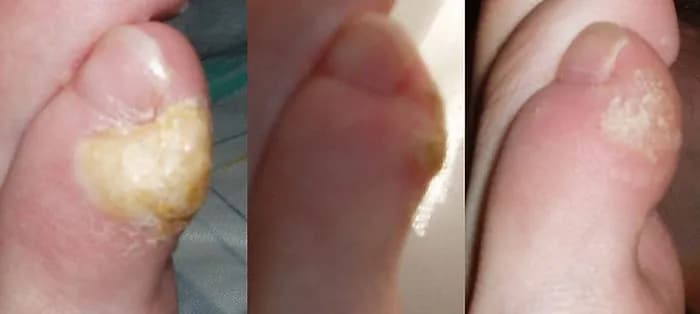
Corns and calluses are thick, hard skin caused by pressure or rubbing. A podiatrist can remove them painlessly, but they come back unless the pressure behind them is reduced.
Corns and calluses are areas of hard, thickened skin that build up where your foot is under too much pressure or rubbing. They're very common and usually not serious, but they can be painful.¹ The key thing to know is that they'll keep coming back unless the pressure causing them is reduced.
What are corns and calluses?
Thickening of the skin is the body's normal way of protecting itself from repeated pressure or friction.² A callus is a larger patch of rough, thick skin.¹ Calluses are often found on the ball of the foot and the heel.³ They vary in size and shape, and aren't always painful.
A corn is a smaller, hard lump of skin with a central core that presses into the skin underneath, which is why corns can be quite painful.¹,² There are two main types:²
- Hard corns are the most common. They're dry and firm, and usually form on the tops or sides of the toes, especially the little toe.
- Soft corns form between the toes, most often between the fourth and fifth toes. Sweat keeps them moist, so they look white and soggy. They can be very painful.²
What causes them?
Corns and calluses are caused by pressure or rubbing on the skin.¹ Common reasons include:
- shoes that are too tight, too loose or the wrong shape, or high heels¹,²
- not wearing socks with shoes¹
- the shape of the bones in your feet, such as bunions or hammer toes (toes that bend at the middle joint)¹,²
- the way your feet take load when you walk, or a lot of activity on your feet²
- loss of the fat padding under the foot as you get older.¹
Corns on top of the toes often come from the shoe rubbing on a bent toe, and tight shoes that squeeze the toes together can cause corns between them.²
Signs and symptoms
You may notice:
- a hard, rough patch of skin, often on the sole of the foot
- a small, hard, raised lump on or between the toes that hurts when pressed
- a soft, white, moist patch between the toes
- pain when walking or wearing certain shoes.¹,²
What can help?
Self-care. If you don't have diabetes or circulation problems, you can try:¹
- soaking the area in warm water, then gently using a pumice stone or foot file
- moisturising to keep the skin soft
- thick, cushioned socks and soft insoles or pads
- wide, well-fitting shoes with a low heel and soft sole that don't rub.
Don't try to cut corns or calluses off yourself. It's easy to cut too deep or cause an infection.¹
Medicated corn plasters. Many corn pads and plasters contain an acid (usually salicylic acid) to soften hard skin. They can be effective when used with a podiatrist's guidance for the right person.⁴ Occasionally they cause problems such as soggy skin or a small skin breakdown, and they haven't been tested in people with diabetes, poor circulation or nerve damage.⁴ Avoid over-the-counter corn cures if you have diabetes,³ and check with your podiatrist or pharmacist before using them.
What a podiatrist can do. A podiatrist can carefully cut away the hard skin and the core of a corn.¹,² This is usually painless and often gives quick relief. To slow the return of corns and calluses, we look at what's causing the pressure and may suggest:¹,²
- protective padding, toe spacers or silicone toe sleeves
- footwear changes, such as a roomier toe box or extra depth
- orthoses (shoe inserts) to take pressure off painful areas.
When the pressure is removed, corns and calluses usually go away.² If a bony problem such as a hammer toe keeps causing painful corns despite these measures, surgery to correct it may be an option.²
When to see a podiatrist
See a podiatrist rather than treating corns and calluses yourself if you:¹
- have diabetes, poor circulation or a weakened immune system
- are an older person
- notice bleeding, pus or discharge from a corn or callus
- have severe pain, or pain that stops you doing your normal activities
- haven't seen any improvement after 3 weeks of home care.
If corns or calluses are making walking uncomfortable, book an appointment with our podiatrists in Booragoon.
References
- NHS (2026). Corns and calluses. https://www.nhs.uk/conditions/corns-and-calluses/
- Freeman DB (2002). Corns and calluses resulting from mechanical hyperkeratosis. American Family Physician, 65(11), 2277–2280. https://www.aafp.org/pubs/afp/issues/2002/0601/p2277.html
- Healthdirect Australia (2024). Foot care. https://www.healthdirect.gov.au/foot-care
- Farndon LJ, Vernon W, Walters SJ, et al. (2013). The effectiveness of salicylic acid plasters compared with 'usual' scalpel debridement of corns: a randomised controlled trial. Journal of Foot and Ankle Research, 6(1), 40. https://doi.org/10.1186/1757-1146-6-40
Reviewed by Andrew Schox, Podiatrist, BSc(Hons) PGradDipPod MPod. Last reviewed October 2026.
Need Professional Podiatry Care?
Our experienced team is here to help with all your foot and ankle concerns. Book an appointment today for expert diagnosis and treatment.
Book an AppointmentRelated Articles

Cortisone injections: relief for foot and ankle pain
A cortisone injection can calm a painful joint, bursa or nerve within days, and the relief often lasts weeks to months. It works best as one part of a wider treatment plan.
Why are my toenails unsightly?
Thick, discoloured or misshapen toenails are common. Fungal infection, injury, ageing, skin conditions and ingrown nails are the usual causes, and most can be treated or managed.
Why do I get calf muscle cramps?
Calf cramps are common and usually harmless, often linked to tired muscles, exercise or age. Cramping pain that comes on with walking and eases with rest is different and needs checking.