
Heel and arch pain
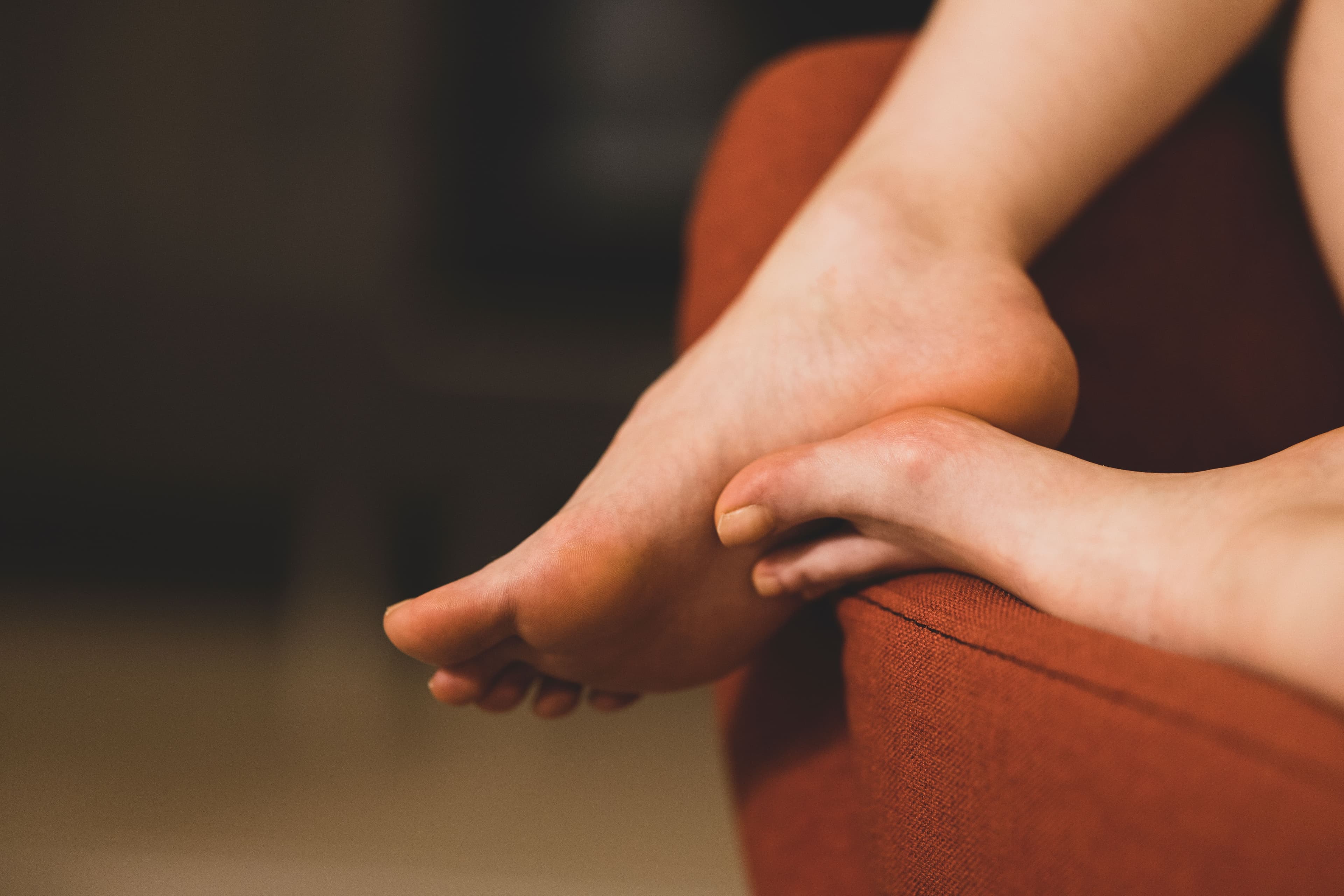
Plantar fasciitis is the most common cause of heel pain, but it isn't the only one. Getting the cause right matters, because nerve, bone and tendon problems need different treatment.
Heel pain is one of the most common problems we see as podiatrists. "Heel pain" isn't a diagnosis, though. It's a broad term that covers many different conditions, and they don't all respond to the same treatment. Most heel pain gets better with simple care, but working out the cause is the first step.
What causes pain under the heel and arch?
Pain under the heel is called plantar heel pain. The most common cause is plantar fasciitis (also called plantar fasciopathy).¹ The plantar fascia is a strong, thick band of tissue that runs along the bottom of your foot, from the heel to the toes.² When it's overloaded it becomes painful, usually under the heel and sometimes along the arch. The pain is typically worst with your first steps in the morning.²
Plantar fasciitis is more likely if you're middle-aged or older, carry extra weight, are pregnant, have flat feet or high arches, or spend a lot of time on your feet.²
Because it's so common, it's easy to assume all heel pain is plantar fasciitis. Other causes include:
- A trapped or irritated nerve. Burning, tingling or numbness with heel pain suggests a nerve is involved.¹ Tarsal tunnel syndrome is one example.³
- Heel pad problems. The fat pad under the heel can thin or become inflamed, causing a deep, bruise-like pain in the middle of the heel.¹
- A stress fracture of the heel bone (calcaneus). This usually starts after an increase in walking, running or standing, or a change to harder surfaces.¹
- A tear of the plantar fascia, or a muscle strain.
- Less common causes, such as a bone infection (osteomyelitis) or a tumour of the bone or soft tissue.¹,³
What causes pain at the back of the heel?
Pain at the back of the heel has its own set of causes:¹
- Achilles tendinopathy, where the Achilles tendon becomes painful. It can affect the middle of the tendon or the point where it attaches to the heel bone (insertional Achilles tendinopathy).
- Haglund's deformity, a bony bump at the back of the heel that can be irritated by the back of your shoes.
- Retrocalcaneal bursitis, inflammation of a small fluid-filled sac (bursa) between the Achilles tendon and the heel bone, causing redness, swelling and tenderness.
In growing children, a common cause of heel pain is Sever's disease.³ Children's heel pain is worth having checked, because it is managed differently from adult heel pain.
What can help?
For most mechanical heel pain, simple measures are the place to start:¹,⁴
- rest from the activities that make it worse, without stopping moving altogether
- an ice pack wrapped in a cloth on the sore spot, for up to 20 minutes at a time
- supportive, cushioned shoes, and avoiding walking barefoot on hard floors
- heel pads or arch supports
- gentle calf and foot stretches
- losing weight, if you're carrying extra
- pain relief, if you need it (ask your pharmacist or GP what suits you).
Plantar fasciitis can last for weeks or months, and some people have heel pain for years.²,³ If simple care isn't working, a podiatrist can tailor treatment to the cause. That may include strapping, orthoses (shoe inserts), a strengthening program, and footwear changes. Other options such as shockwave therapy or injections may be considered when these don't help.²
When to see a podiatrist
See a podiatrist or GP if your heel pain:³,⁴
- hasn't improved after 2 weeks of home care
- is severe or getting worse
- comes with tingling or numbness in your foot
- started after an injury.
Get checked promptly if you have diabetes and heel pain.⁴ Seek medical help straight away if you feel sudden pain in your calf or heel during exercise, or hear a snap, because your Achilles tendon may have torn.³,⁴ Occasionally heel pain comes from a bone infection,³ so if you feel unwell or have a fever along with heel pain, see a doctor promptly.
Our podiatrists will examine your foot, ask how the pain behaves, and refer you for imaging if it's needed. If heel or arch pain is slowing you down, book an appointment.
References
- Tu P. (2018). Heel pain: diagnosis and management. American Family Physician, 97(2), 86–93. https://www.aafp.org/pubs/afp/issues/2018/0115/p86.html
- Healthdirect Australia (2025). Plantar fasciitis. https://www.healthdirect.gov.au/plantar-fasciitis
- Healthdirect Australia (2024). Heel pain. https://www.healthdirect.gov.au/heel-pain
- NHS (2025). Heel pain. https://www.nhs.uk/conditions/heel-pain/
Reviewed by Andrew Schox, Podiatrist, BSc(Hons) PGradDipPod MPod. Last reviewed October 2026.
Need Professional Podiatry Care?
Our experienced team is here to help with all your foot and ankle concerns. Book an appointment today for expert diagnosis and treatment.
Book an AppointmentRelated Articles

Cortisone injections: relief for foot and ankle pain
A cortisone injection can calm a painful joint, bursa or nerve within days, and the relief often lasts weeks to months. It works best as one part of a wider treatment plan.
Why are my toenails unsightly?
Thick, discoloured or misshapen toenails are common. Fungal infection, injury, ageing, skin conditions and ingrown nails are the usual causes, and most can be treated or managed.

Why do I get calf muscle cramps?
Calf cramps are common and usually harmless, often linked to tired muscles, exercise or age. Cramping pain that comes on with walking and eases with rest is different and needs checking.