
Sesamoiditis
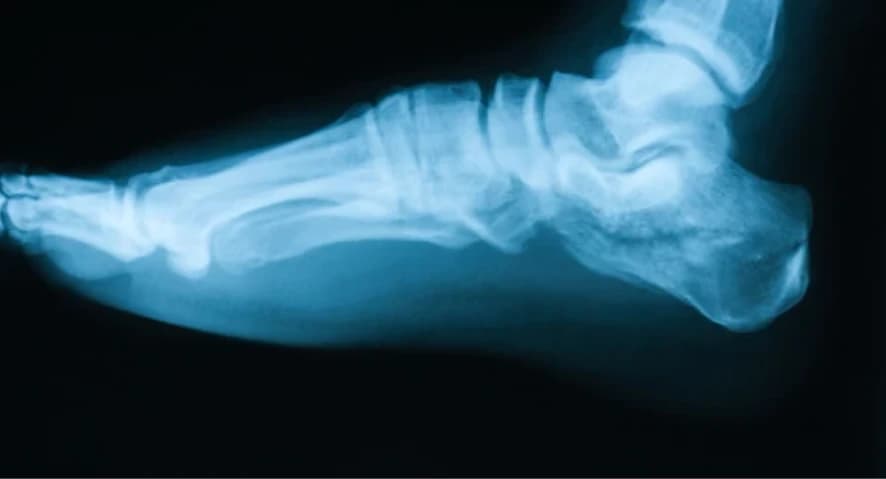
Sesamoiditis is pain under the big toe joint from irritated tissue around two tiny bones. Rest, padding, firm-soled shoes and orthoses usually settle it, though it can take a while.
Sesamoiditis is pain under the ball of the foot, just behind the big toe. It happens when the area around two tiny bones under the big toe joint becomes irritated and inflamed. It's common in dancers and runners, and usually settles with rest, padding and the right shoes. Recovery can be slow, so it pays to get it looked at early.
What is sesamoiditis?
Sesamoid bones are small bones that sit inside a tendon. You have two of them under the big toe joint.¹ They work like pulleys, helping the tendons that bend your big toe work more effectively, and they help protect the joint.¹,² Every time you push off your big toe, they take a lot of load.
When the tendons and tissues around the sesamoids become irritated or inflamed, it's called sesamoiditis.¹ It's different from a sesamoid fracture (a break), which usually causes sudden pain after an injury such as the big toe being bent back forcefully.¹
What causes it?
Sesamoiditis is usually an overuse problem, caused by too much load on the big toe joint. Many people can remember a long walk, a sudden increase in sport or a knock just before it started.² Things that make it more likely include:³
- a sudden increase in activity, or repeated stress from sport
- regularly wearing high heels
- unsupportive shoes or sandals
- high arches or flat feet
- large sesamoid bones
- sudden weight gain
- osteoarthritis or osteoporosis.
It's especially common in ballet dancers and runners, because both put a lot of weight through the ball of the foot.¹
Signs and symptoms
- pain under the big toe joint, usually building up gradually¹
- pain when walking or bending the big toe, and during weight-bearing activities³
- pain that eases when you take weight off the foot³
- tenderness when you press under the joint³
- swelling, and sometimes bruising
- discomfort in high heels or thin-soled shoes.
What can help?
Self-care. Rest from the activities that hurt, and raise your foot. An ice pack for up to 20 minutes every 2–3 hours can ease pain and swelling.³ Wear cushioned shoes with good support, and swap high heels and thin, flexible soles for a firmer shoe. Switch to low-impact exercise, such as swimming, while it settles.³ Ask your pharmacist or GP before using anti-inflammatory medicines.
What a podiatrist can do. The aim is to take pressure off the sesamoids so they can settle. We may use:
- padding: felt pads that deflect pressure away from the sore area³
- taping: to hold the big toe slightly bent downwards and limit how far it bends back¹
- footwear advice: a firm-soled shoe, such as a running or walking shoe, often helps a lot²
- orthoses (shoe inserts): to offload the area and help stop it coming back²
- a moon boot or brace: for more severe pain, often for 4–6 weeks.¹
If pain persists, a steroid injection may help reduce inflammation.¹,²
Imaging and surgery. If pain doesn't settle, we may refer you for an x-ray or scan to check for a fracture. Some people are born with a sesamoid in two parts (a bipartite sesamoid), which can look like a break on an x-ray, so imaging needs careful reading.¹ Surgery is rarely needed. It's considered only for a fracture that doesn't heal, or long-standing pain that hasn't improved with other treatment.¹
How long does it take?
There's no quick fix.³ It often settles with a period of less weight-bearing in a firm-soled shoe,² but recovery can take a long time: several weeks, and sometimes months.¹
When to see a podiatrist
See a podiatrist if pain under your big toe joint hasn't settled after a few days of rest, if it's getting worse, or if it started suddenly after an injury. Get it checked sooner if you have diabetes, poor circulation or reduced feeling in your feet.
To find out what's causing pain under your big toe, book an appointment with our podiatrists.
References
- American Academy of Orthopaedic Surgeons (2023). Sesamoiditis and sesamoid fracture. OrthoInfo. https://www.orthoinfo.org/diseases--conditions/sesamoiditis/
- Kent Community Health NHS Foundation Trust (2025). Sesamoiditis. https://www.kentcht.nhs.uk/leaflet/sesamoiditis-2/
- North Cumbria Integrated Care NHS Foundation Trust. Sesamoiditis. https://www.ncic.nhs.uk/services/podiatry/sesamoiditis
Reviewed by Andrew Schox, Podiatrist, BSc(Hons) PGradDipPod MPod. Last reviewed October 2026.
Need Professional Podiatry Care?
Our experienced team is here to help with all your foot and ankle concerns. Book an appointment today for expert diagnosis and treatment.
Book an AppointmentRelated Articles

Cortisone injections: relief for foot and ankle pain
A cortisone injection can calm a painful joint, bursa or nerve within days, and the relief often lasts weeks to months. It works best as one part of a wider treatment plan.
Why are my toenails unsightly?
Thick, discoloured or misshapen toenails are common. Fungal infection, injury, ageing, skin conditions and ingrown nails are the usual causes, and most can be treated or managed.
Why do I get calf muscle cramps?
Calf cramps are common and usually harmless, often linked to tired muscles, exercise or age. Cramping pain that comes on with walking and eases with rest is different and needs checking.