
Tinea pedis (athlete's foot)
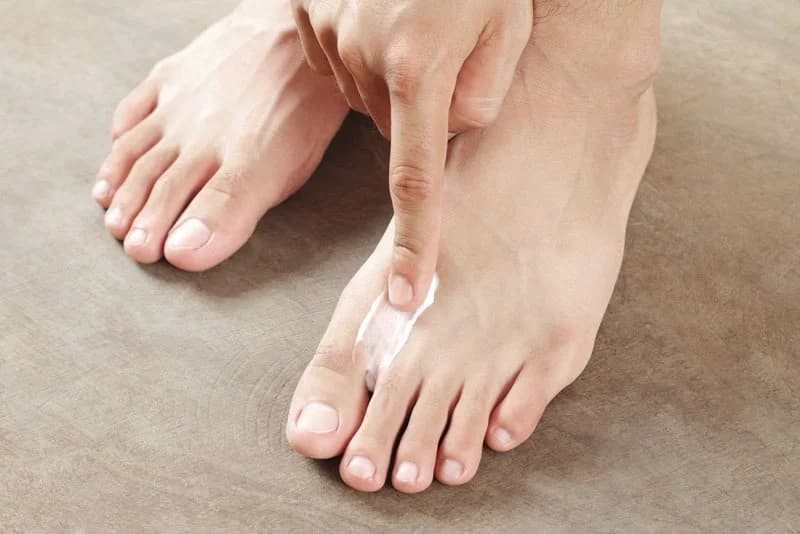
Athlete's foot is a common fungal skin infection that causes itchy, peeling skin between the toes. Pharmacy antifungal creams work well if you keep using them after the rash clears.
Athlete's foot is a common fungal infection of the skin of the feet. Its medical name is tinea pedis. It isn't serious for most people, and antifungal creams from the pharmacy usually clear it.¹,² The key is to keep using the treatment for as long as directed, even after your skin looks better.¹
What is athlete's foot?
Tinea is a skin, scalp or nail infection caused by a fungus.¹ When it affects the feet it's called athlete's foot. The fungi that cause it, most often one called Trichophyton rubrum, thrive in warm, damp places.³ That's why the infection is so common in people who wear enclosed shoes for long periods, and in warm climates like ours.
What causes it?
You catch athlete's foot from the fungus, which can live on the floors of showers and shared changing rooms.¹ It can also spread through shared towels, bathmats and shoes.¹
You're more likely to get it if:¹,³
- your feet sweat a lot
- you wear enclosed or heavy shoes for long periods, such as work boots or runners
- you have diabetes or a weakened immune system
- you have poor circulation in your legs.
Signs and symptoms
Athlete's foot usually starts between the toes, most often between the fourth and fifth toes. Symptoms can include:¹,³
- itchy, red, peeling or cracked skin between the toes
- soft, white, soggy skin between the toes
- dry, scaly skin across the sole and up the sides of the foot (sometimes called "moccasin" athlete's foot)
- small blisters, often on the instep (the inner arch).
The fungus can also spread to the toenails, the hands or the groin.³
What can help?
Treatment. Antifungal creams, sprays, gels and powders are available from the pharmacy without a prescription. They work much better than no treatment.² Products called allylamines, such as terbinafine, cure slightly more infections than another group called azoles, such as clotrimazole.² A typical course is 2–4 weeks,³ but follow the directions on the pack. Keep using the treatment even after the tinea seems to have gone, or it may come back.¹
Tea tree oil is a popular natural option. In one trial, a 25–50% tea tree oil solution helped more than a placebo, but a small number of people developed a skin reaction to it.⁴ A pharmacy antifungal is the more reliable choice.
If the infection doesn't clear up or keeps coming back, your doctor may prescribe a stronger cream or antifungal tablets.¹,³
Prevention. To stop athlete's foot coming back:¹,³
- dry your feet well after washing, especially between the toes
- change your socks every day, and choose breathable socks and shoes
- rotate your shoes so they can dry out between wears
- wear thongs in public showers, change rooms and around pools
- don't share towels, bathmats or shoes.
When to see a podiatrist
See a podiatrist or GP if:¹
- the infection hasn't cleared after using an antifungal cream as directed
- it keeps coming back
- your toenails have become thick or discoloured
- you also have tinea on other parts of your body.
If you have diabetes, poor circulation or a weakened immune system, see us early. Broken skin can let bacteria in, causing a skin infection called cellulitis.⁵ Get urgent medical help if your foot becomes red, swollen, warm and very painful, if the redness is spreading quickly, or if you have a fever, especially if you have diabetes or a weakened immune system.⁵
Our podiatrists can confirm whether it's a fungal infection, recommend treatment, and help with any nail involvement. If you have a stubborn skin problem on your feet, book an appointment.
References
- Healthdirect Australia (2025). Tinea. https://www.healthdirect.gov.au/tinea
- Crawford F, Hollis S. (2007). Topical treatments for fungal infections of the skin and nails of the foot. Cochrane Database of Systematic Reviews, 3, CD001434. https://doi.org/10.1002/14651858.CD001434.pub2
- Stewart T (2018). Tinea pedis. DermNet. https://dermnetnz.org/topics/tinea-pedis
- Satchell AC, Saurajen A, Bell C, Barnetson RS. (2002). Treatment of interdigital tinea pedis with 25% and 50% tea tree oil solution: a randomized, placebo-controlled, blinded study. Australasian Journal of Dermatology, 43(3), 175–178. https://doi.org/10.1046/j.1440-0960.2002.00590.x
- Healthdirect Australia (2024). Cellulitis. https://www.healthdirect.gov.au/cellulitis
Reviewed by Andrew Schox, Podiatrist, BSc(Hons) PGradDipPod MPod. Last reviewed October 2026.
Need Professional Podiatry Care?
Our experienced team is here to help with all your foot and ankle concerns. Book an appointment today for expert diagnosis and treatment.
Book an AppointmentRelated Articles

Cortisone injections: relief for foot and ankle pain
A cortisone injection can calm a painful joint, bursa or nerve within days, and the relief often lasts weeks to months. It works best as one part of a wider treatment plan.
Why are my toenails unsightly?
Thick, discoloured or misshapen toenails are common. Fungal infection, injury, ageing, skin conditions and ingrown nails are the usual causes, and most can be treated or managed.
Why do I get calf muscle cramps?
Calf cramps are common and usually harmless, often linked to tired muscles, exercise or age. Cramping pain that comes on with walking and eases with rest is different and needs checking.