
What is a ganglion?
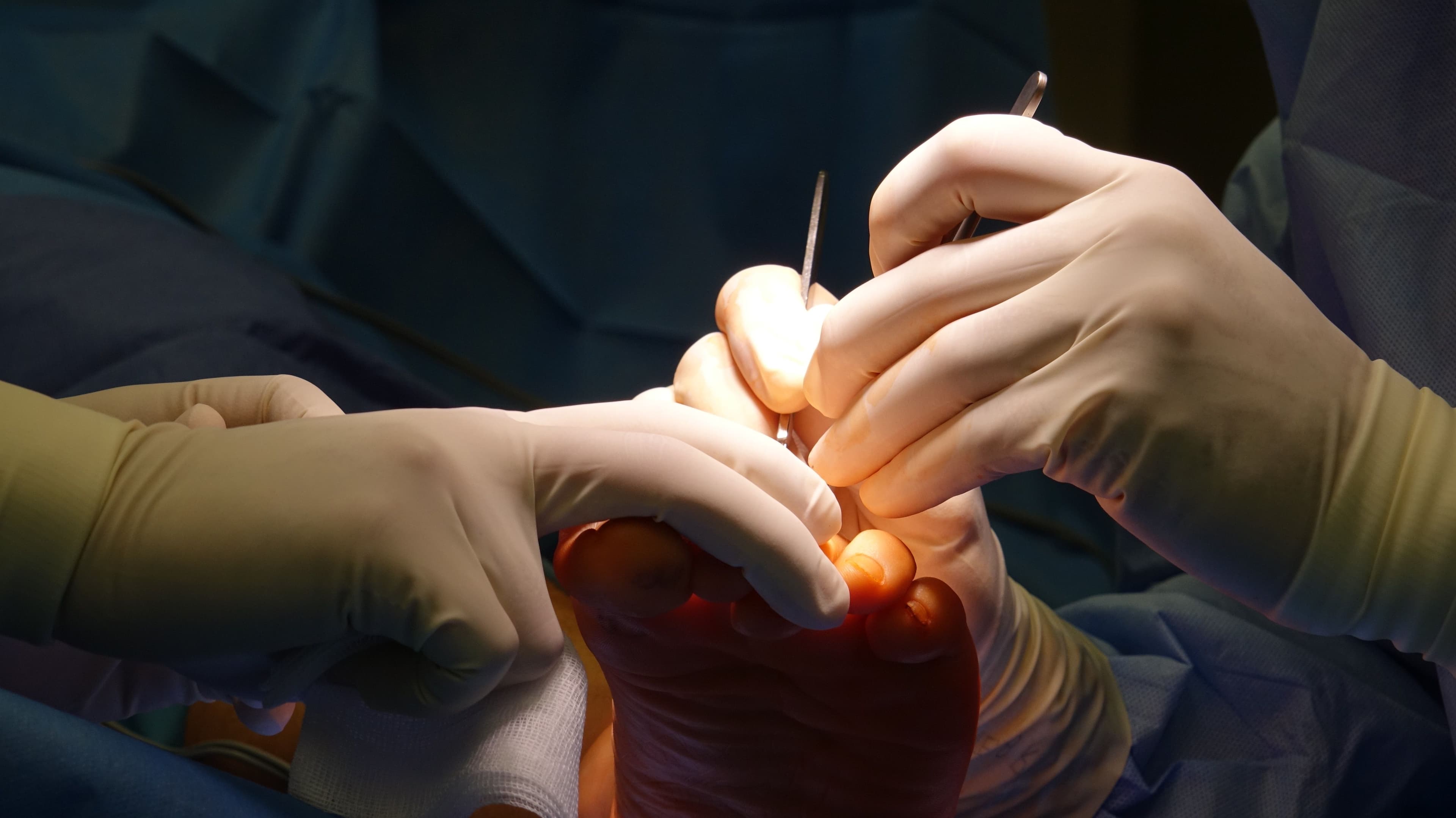
A ganglion is a harmless fluid-filled lump on a joint or tendon. On the foot it can rub on shoes. Many need no treatment, and some go away on their own.
A ganglion (or ganglion cyst) is a smooth, fluid-filled lump that forms on a joint or tendon. Ganglions are not cancer.¹ They're most common on the wrist and hand, but they can also appear on the foot and ankle, often on the top of the foot.¹,² Many need no treatment at all, but a ganglion on the foot can be uncomfortable in shoes.
What is a ganglion?
A ganglion is a collection of fluid on a joint or tendon.¹ It sits under the skin as a smooth, soft lump. Ganglions vary in size, from smaller than a pea to a few centimetres across.² The fluid inside is thick, a bit like jelly.³
What causes it?
It's not known exactly what causes ganglions.¹ Sometimes they form after an injury causes fluid to leak from a joint.² They're much more common in women than in men.²
Signs and symptoms
Many ganglions don't cause any symptoms.¹ When they do, you may notice:
- a smooth lump, often on the top of the foot or around the ankle
- pain when walking or wearing shoes that press on the lump¹
- aching or numbness after moving the nearby joint²
- tingling or weakness, if the ganglion presses on a nerve.¹
What can help?
Waiting and watching. Many people don't need treatment, and some ganglions go away by themselves over time.¹ This can take from several months to a year.² In children, 3 in 4 ganglions get better on their own within a year.¹ If yours isn't causing problems, leaving it alone is a reasonable choice.
Easing pressure from shoes. For a ganglion on the foot, changing how you lace your shoes, choosing shoes with more room over the lump, or using padding around it can stop it rubbing.
Don't try to burst it. Trying to burst or pop a ganglion can cause an infection or damage the skin.² The old idea of hitting a ganglion with a heavy book isn't a good one: it's very painful and can cause other injuries.¹
Draining the fluid (aspiration). A doctor can drain the fluid with a needle,¹,² sometimes with a steroid injection to reduce swelling.² It's quick, but roughly half of ganglions treated this way come back.¹ Foot and ankle ganglions may come back even more often after draining alone.³
Surgery. If a ganglion is painful, affects how you move, or keeps coming back, it can be removed with a small operation.¹,² Ganglions removed with surgery come back less often than those that are drained,³ although some still return.² A small number of people have ongoing pain or stiffness after surgery,¹ and some have numbness or tingling nearby.³
What to expect at FALL
Our podiatrists will examine the lump and ask how long it's been there and whether it bothers you. We may arrange an ultrasound scan to confirm that the lump is filled with fluid and to check its size and position.¹ Then we'll talk you through your options. We can help with footwear and padding, and refer you for drainage or surgery if needed.
When to see a podiatrist
It's a good idea to have any new lump checked, to make sure it isn't something else.¹ See a podiatrist or GP if:
- the lump is painful or affects how you walk or move¹
- it gets bigger²
- it feels hard and doesn't move.²
Get an urgent appointment if the lump becomes very painful, hot or red.² If you have diabetes, poor circulation or a weakened immune system, get any lump or sore on your foot checked promptly.
If you've noticed a lump on your foot or ankle, book an appointment with our podiatrists.
References
- Healthdirect Australia (2024). Ganglion cyst. https://www.healthdirect.gov.au/ganglion-cyst
- NHS (2025). Ganglion cyst. https://www.nhs.uk/conditions/ganglion-cyst/
- Arshad Z, Iqbal AM, Al Shdefat S, Bhatia M (2022). The management of foot and ankle ganglia: a scoping review. The Foot, 51, 101899. https://doi.org/10.1016/j.foot.2021.101899
Reviewed by Andrew Schox, Podiatrist, BSc(Hons) PGradDipPod MPod. Last reviewed October 2026.
Need Professional Podiatry Care?
Our experienced team is here to help with all your foot and ankle concerns. Book an appointment today for expert diagnosis and treatment.
Book an AppointmentRelated Articles

Cortisone injections: relief for foot and ankle pain
A cortisone injection can calm a painful joint, bursa or nerve within days, and the relief often lasts weeks to months. It works best as one part of a wider treatment plan.
Why are my toenails unsightly?
Thick, discoloured or misshapen toenails are common. Fungal infection, injury, ageing, skin conditions and ingrown nails are the usual causes, and most can be treated or managed.
Why do I get calf muscle cramps?
Calf cramps are common and usually harmless, often linked to tired muscles, exercise or age. Cramping pain that comes on with walking and eases with rest is different and needs checking.