
Introducing new nail technology at FALL
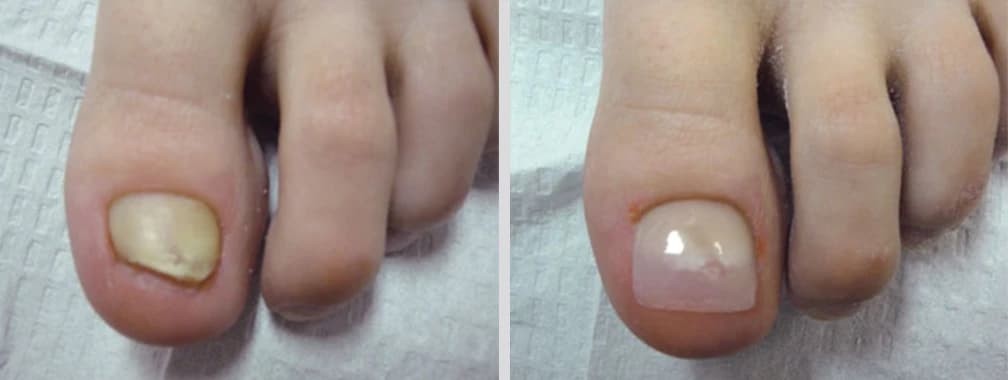
We offer two non-surgical nail options: Onyfix, a nail brace that can help ingrown or curved toenails, and Keryflex, a cosmetic nail restoration for damaged nails.
At Foot Ankle Lower Limb we offer two nail treatments that don't involve needles or surgery. Onyfix is a nail brace for ingrown and curved toenails. Keryflex is a cosmetic restoration for nails that are damaged or unsightly.
Onyfix: a brace for ingrown and curved toenails
An ingrown toenail happens when the side of the nail curls down and grows into the skin around it. It's most common in the big toe, and it can be painful, red and swollen.¹ Tight shoes, cutting nails too short or not straight across, injury and naturally curved nails can all play a part.¹
How does it work?
Onyfix is a type of nail brace. Your podiatrist bonds a thin composite strip to the surface of the nail. As the nail grows, the brace gently guides it into a flatter shape, so the edges press less into the skin. It doesn't need an injection, and you can usually carry on with your normal activities straight away. Because it works with the nail as it grows, treatment takes several months, and we replace the brace as needed along the way.
Does it work?
Nail braces can help, especially for nails that are curved or pinching rather than badly infected. Non-surgical treatments for ingrown toenails tend to be less painful and quicker to recover from than surgery.³ In children and teenagers, nail braces resolved most ingrown nails within about three months.⁴ The research is still limited, though, and most studies are small. For a nail that keeps coming back or is badly infected, minor nail surgery may still be the better option.¹,³
Keryflex: a cosmetic nail restoration
Nails can become thick, discoloured, broken or partly missing after an injury or a fungal infection.² Keryflex is a flexible resin that your podiatrist shapes over the damaged nail and sets with a special light. It gives the nail a smoother, more natural look straight away, a bit like a false nail, and it grows out with your own nail.
Keryflex improves how a nail looks. It doesn't cure a nail problem. If a fungal infection is the cause, it needs its own treatment, which usually means antifungal medicine for 3–6 months or longer.² We'll check what's behind the change in your nail first, and tell you honestly whether a restoration makes sense.
What to expect at FALL
Your podiatrist will look at your nails, ask about your symptoms and health, and explain your options. These may include nail care, footwear advice, a nail brace, a restoration or nail surgery.
Take more care if you have diabetes, poor circulation or nerve damage in your feet. Ingrown toenails are more likely to become infected, so see a podiatrist or GP early.¹ If an ingrown nail shows signs of infection, such as pus, throbbing pain or spreading redness, see your doctor.¹
To find out whether Onyfix or Keryflex could help, book an appointment.
References
- healthdirect Australia (2025). Ingrown toenails. https://www.healthdirect.gov.au/ingrown-toenails
- healthdirect Australia (2024). Toenail infection. https://www.healthdirect.gov.au/toenail-infection
- Morioka D, Matsuoka Y, Tamagawa K, et al. (2026). Comparative effectiveness of ingrown toenail treatments: systematic review and network meta-analysis. The Journal of Foot and Ankle Surgery. https://doi.org/10.1053/j.jfas.2026.08.021
- Yıldız KA, Çiftci ŞG, Uzunçakmak TK (2026). Orthonyxia as a noninvasive treatment for ingrown toenails in pediatric patients: a retrospective study. Pediatric Dermatology, 43(5), 1145–1151. https://doi.org/10.1111/pde.70284
Reviewed by Andrew Schox, Podiatrist, BSc(Hons) PGradDipPod MPod. Last reviewed October 2026.
Need Professional Podiatry Care?
Our experienced team is here to help with all your foot and ankle concerns. Book an appointment today for expert diagnosis and treatment.
Book an AppointmentRelated Articles
Diagnostic Ultrasound at FALL
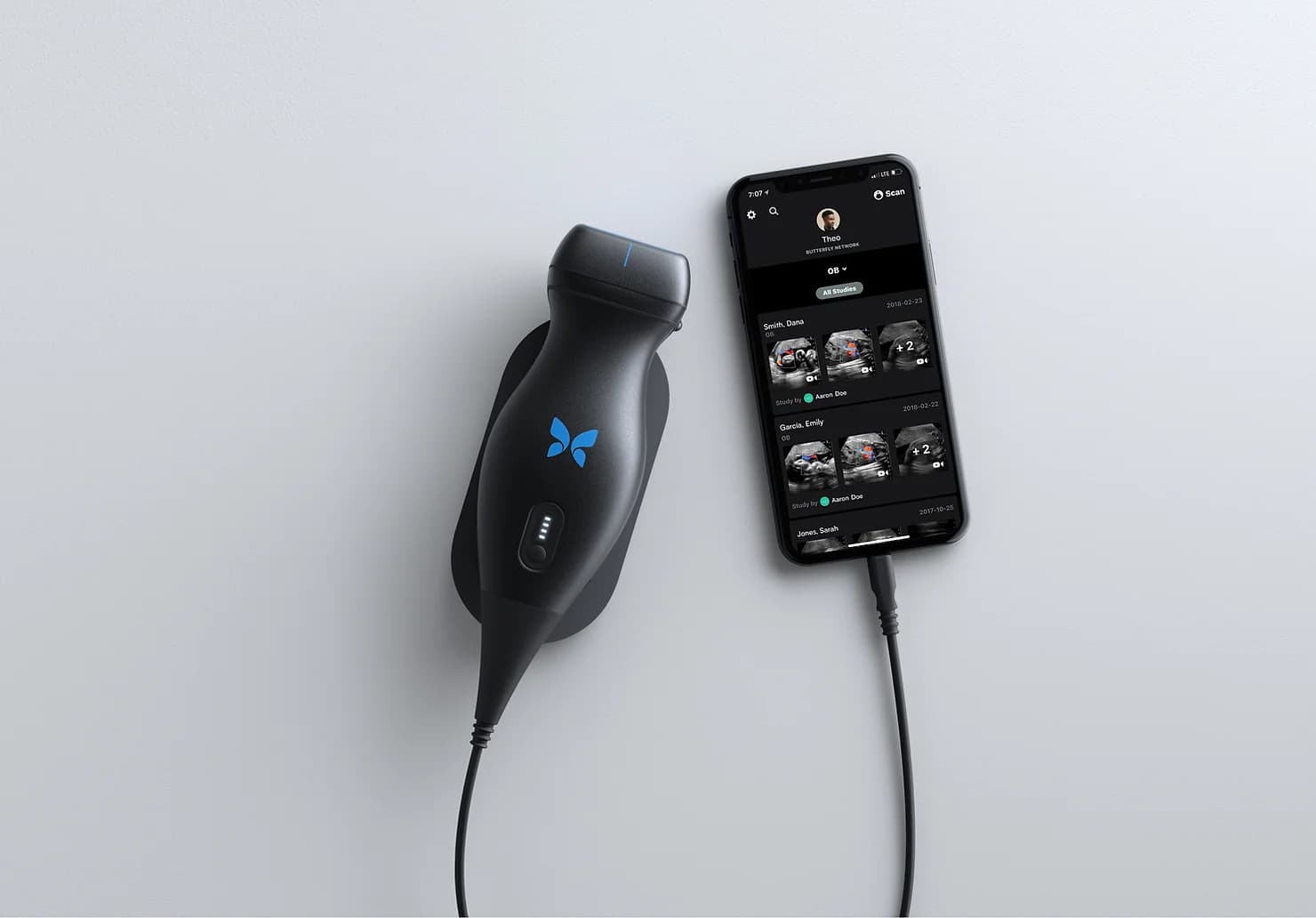
We use a handheld ultrasound in the consulting room to look at tendons, the plantar fascia and other soft tissues while you're with us. It's painless and uses no radiation.
Shockwave therapy: a solution for chronic musculoskeletal conditions?
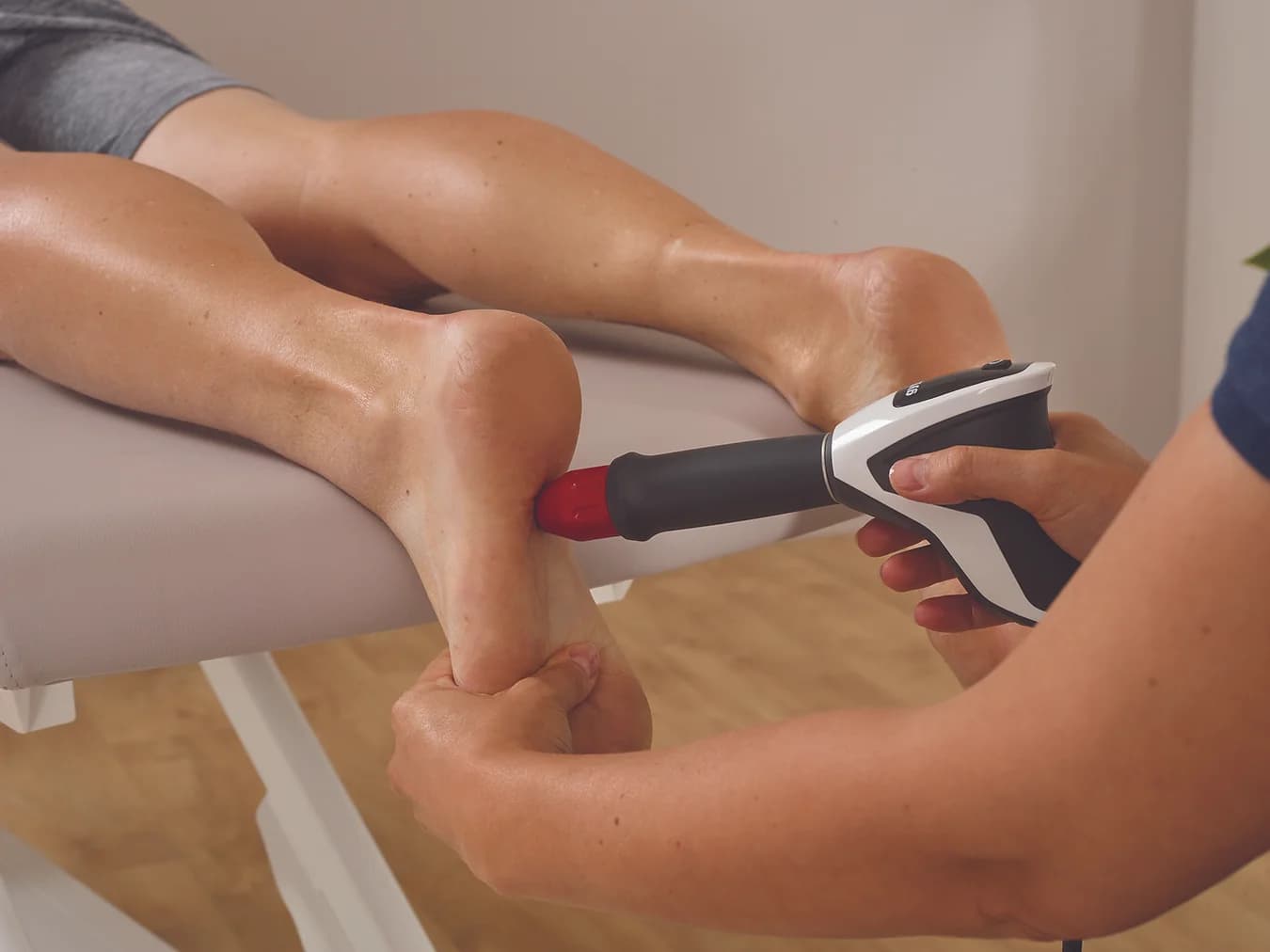
Shockwave therapy can help long-standing heel pain and Achilles tendon pain, especially alongside exercise. It isn't a cure-all, and the evidence for other conditions is weaker.
Unstable ankles? We can help
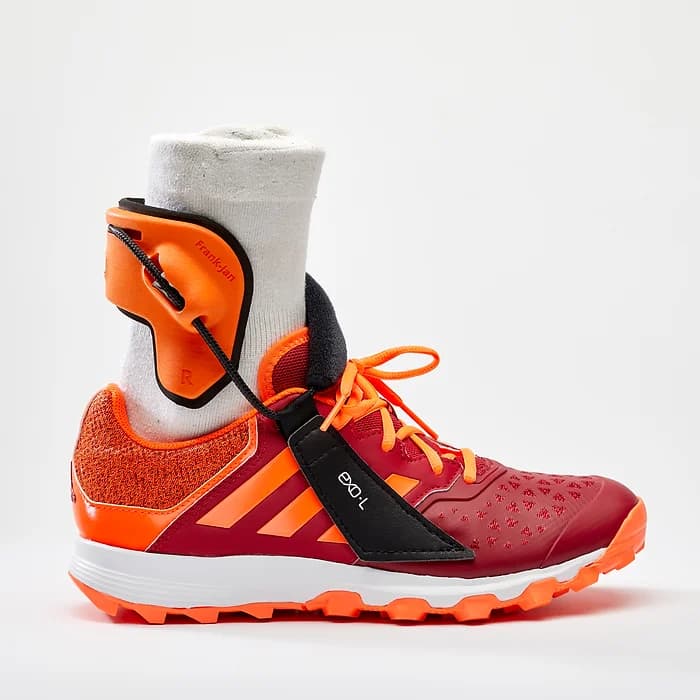
If your ankle keeps rolling or giving way, a balance and strengthening program and a good brace can cut your chance of another sprain. Here's how we treat unstable ankles.