
Joint mobilisation
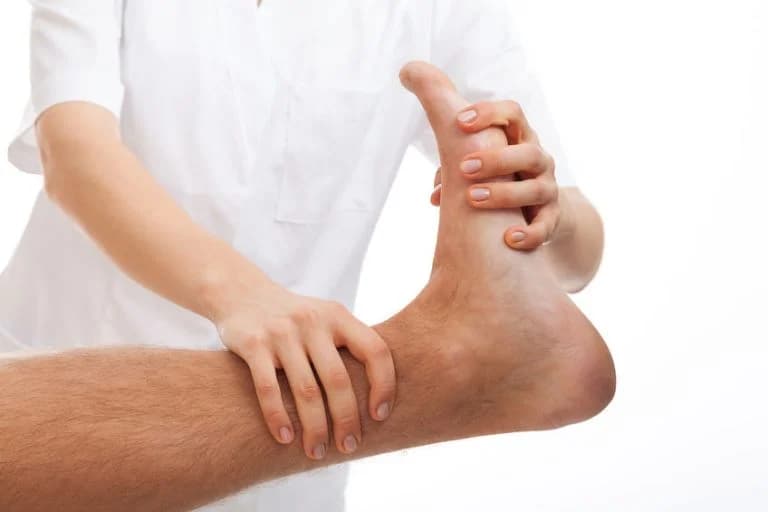
Joint mobilisation uses small, gentle, hands-on movements to loosen stiff foot and ankle joints and ease pain. It works best as part of a plan that includes exercise.
Joint mobilisation is a hands-on treatment in which your podiatrist gently moves a stiff or sore joint through its range of movement. It's used for many foot and ankle problems, from heel pain to a stiff ankle after a sprain. It isn't a cure on its own, but it can ease pain and help you move more freely, which makes your exercises easier to do.
How does it work?
The foot and ankle contain more than 30 joints. When one of them becomes stiff, often after an injury or with arthritis, the joints around it have to work harder, and that can cause pain.
During mobilisation, your podiatrist holds the bones on either side of a joint and makes small, slow, rhythmic movements. These movements gently stretch the joint and the tissues around it. If a joint is very stiff or painful, the movements are kept small and gentle. As the joint loosens and your comfort improves, they can be made larger.
We don't fully understand why it eases pain. The best current explanation is that the movement sets off responses in the nerves and the brain that turn down pain signals, rather than simply "putting a joint back in place".¹
Mobilisation versus manipulation
Mobilisation is different from joint manipulation:
- Manipulation is a single, quick thrust, often with a "pop" or "click" as the joint moves.
- Mobilisation uses slow, controlled movements that you can feel coming. It can be stopped at any point if it's uncomfortable.
Many people find mobilisation gentler and easier to relax into, which is why we use it more often in the foot and ankle.
What can it help with?
- Heel pain (plantar fasciitis): hands-on treatment of the joints and soft tissues of the foot and leg is recommended to reduce pain and improve function.²
- Ankle sprains: manual therapy, alongside exercise, can help ease pain and swelling and improve how the ankle works after a sprain.³
- Morton's neuroma (a pinched nerve between the toes): mobilisation is one of the treatments with the best evidence for easing pain, although that evidence is still limited.⁴
- General stiffness after an injury, a period in a moon boot, or with wear-and-tear arthritis.
Does it work?
For heel pain and ankle sprains, mobilisation helps, especially as part of a wider plan with exercise.²,³ For other conditions, the evidence is more limited. It works best when it's followed by exercises and activity that keep the joint moving between visits.
It's a low-risk treatment.² Some people feel mildly sore for a day or so afterwards.
Mobilisation isn't suitable for every joint. We won't mobilise a joint that may be broken, infected or acutely inflamed (for example during a flare of rheumatoid arthritis or gout), and we take extra care if you have fragile bones.
What to expect at FALL
Your podiatrist will first assess your foot and ankle and work out which joints are stiff or sore. If mobilisation is likely to help, they'll explain what they're doing before they start. Treatment usually takes a few minutes as part of your appointment, together with exercises, footwear advice or orthoses (shoe inserts) as needed. Tell your podiatrist straight away if anything is uncomfortable.
If a stiff or painful foot or ankle is holding you back, book an appointment with our podiatrists.
References
- Bialosky JE, Bishop MD, Price DD, et al. (2009). The mechanisms of manual therapy in the treatment of musculoskeletal pain: a comprehensive model. Manual Therapy, 14(5), 531–538. https://doi.org/10.1016/j.math.2008.09.001
- Koc TA, Bise CG, Neville C, et al. (2023). Heel pain – plantar fasciitis: revision 2023. Journal of Orthopaedic & Sports Physical Therapy, 53(12), CPG1–CPG39. https://doi.org/10.2519/jospt.2023.0303
- Doherty C, Bleakley C, Delahunt E, Holden S. (2017). Treatment and prevention of acute and recurrent ankle sprain: an overview of systematic reviews with meta-analysis. British Journal of Sports Medicine, 51(2), 113–125. https://doi.org/10.1136/bjsports-2016-096178
- Matthews BG, Hurn SE, Harding MP, et al. (2019). The effectiveness of non-surgical interventions for common plantar digital compressive neuropathy (Morton's neuroma): a systematic review and meta-analysis. Journal of Foot and Ankle Research, 12, 12. https://doi.org/10.1186/s13047-019-0320-7
Reviewed by Andrew Schox, Podiatrist, BSc(Hons) PGradDipPod MPod. Last reviewed October 2026.
Need Professional Podiatry Care?
Our experienced team is here to help with all your foot and ankle concerns. Book an appointment today for expert diagnosis and treatment.
Book an AppointmentRelated Articles
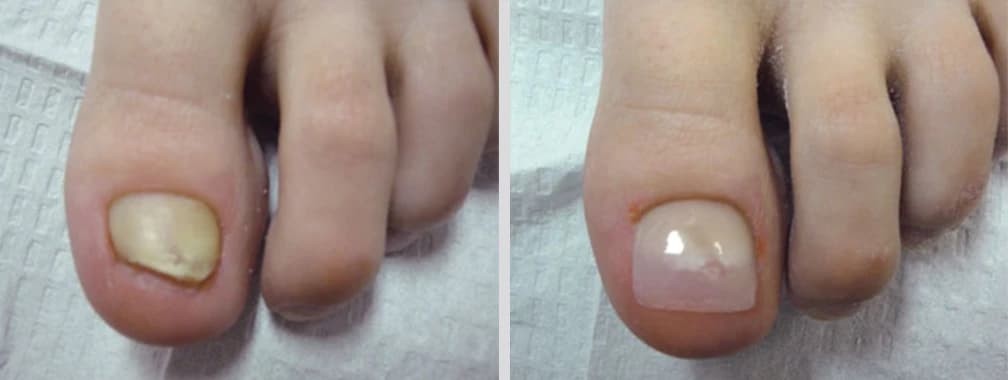
Introducing new nail technology at FALL
We offer two non-surgical nail options: Onyfix, a nail brace that can help ingrown or curved toenails, and Keryflex, a cosmetic nail restoration for damaged nails.
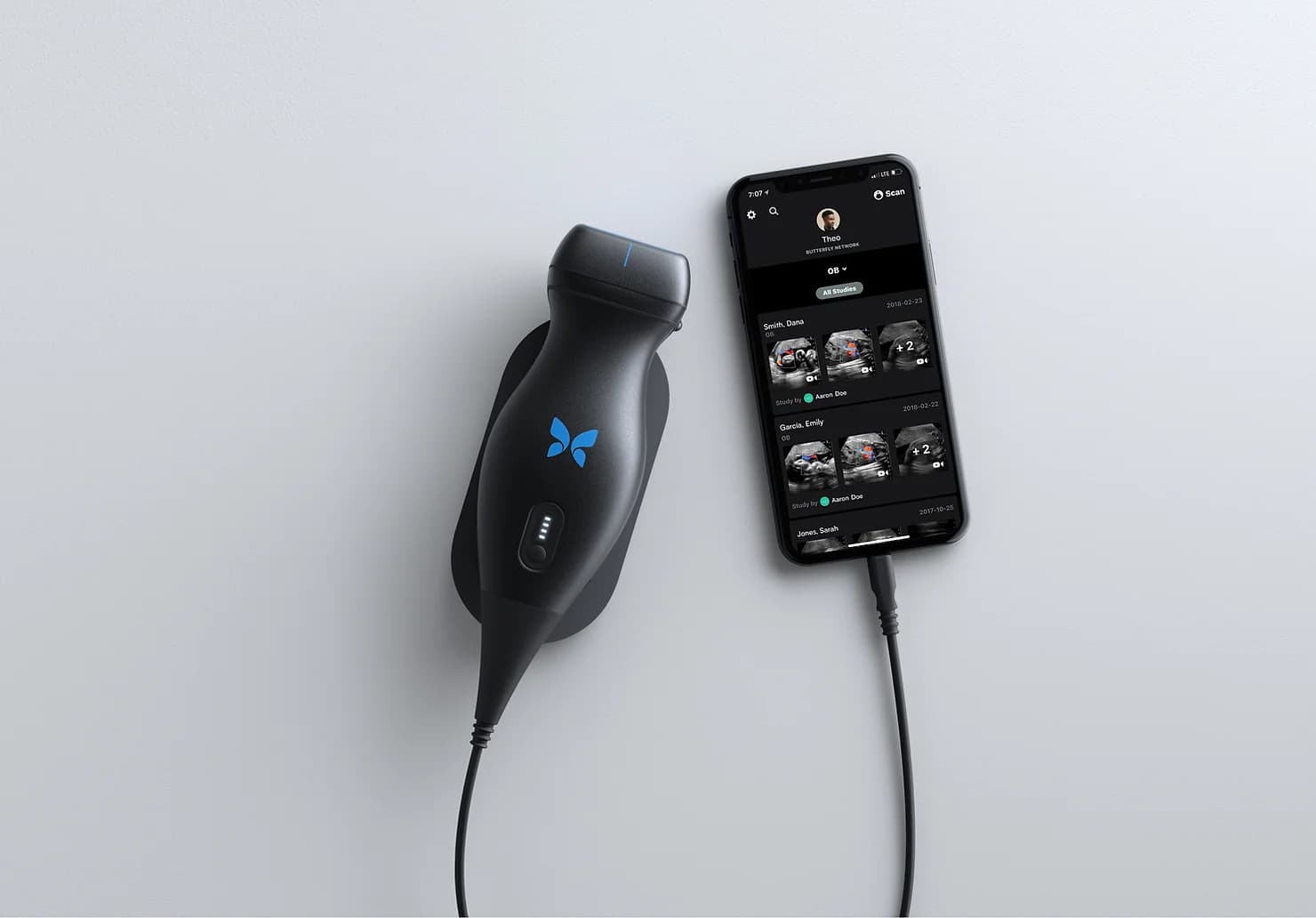
Diagnostic Ultrasound at FALL
We use a handheld ultrasound in the consulting room to look at tendons, the plantar fascia and other soft tissues while you're with us. It's painless and uses no radiation.
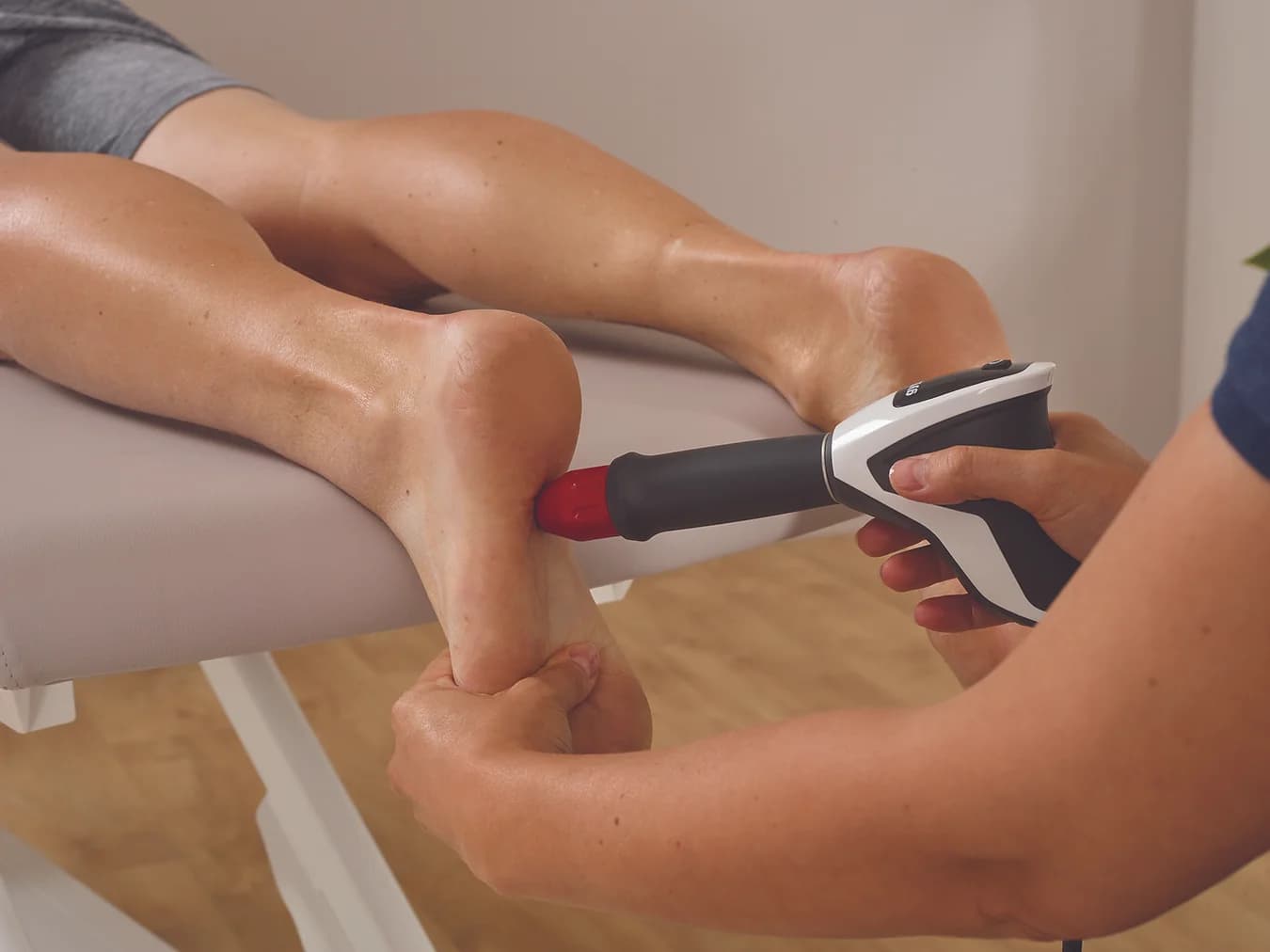
Shockwave therapy: a solution for chronic musculoskeletal conditions?
Shockwave therapy can help long-standing heel pain and Achilles tendon pain, especially alongside exercise. It isn't a cure-all, and the evidence for other conditions is weaker.