
Preventing falls
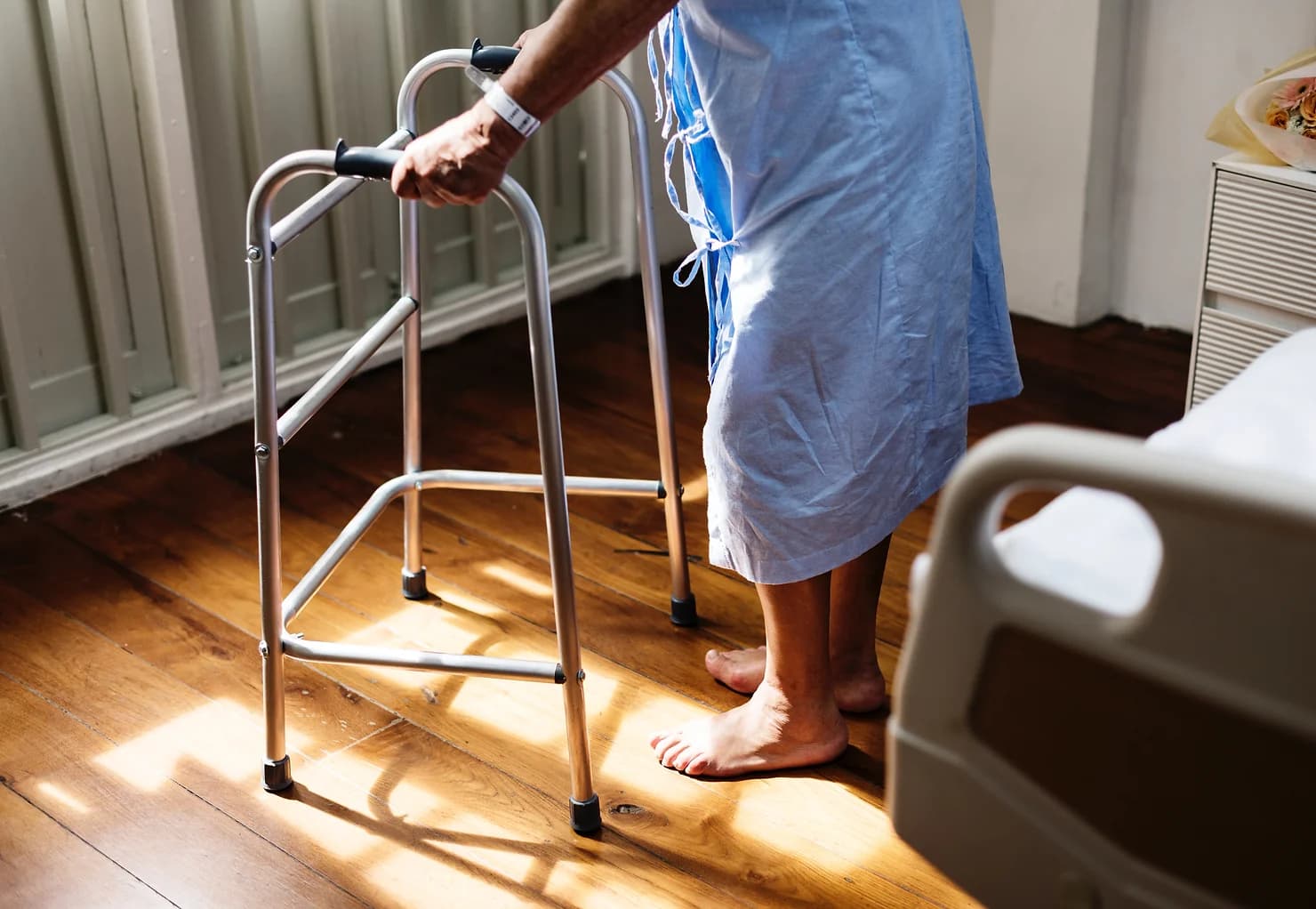
One in 4 Australians aged 65 and over has a fall each year. Balance exercise, a safer home, good shoes and care for sore feet can all lower your risk.
Falls are the number one cause of accidental injury in older Australians. One in 4 people aged 65 and over has at least one fall each year.¹ The good news is that many falls can be prevented. Your feet play a bigger part in this than most people realise, so looking after them is one of the things that can help you stay steady and independent.
What makes a fall more likely?
Falls usually happen because of several things at once. Common risk factors include:¹
- difficulty with balance, or feeling dizzy or light-headed
- weaker muscles, or less feeling in your feet and legs
- poorer eyesight, or trouble with glare and sudden changes in light
- a drop in blood pressure when you stand up
- diabetes, which can make you feel faint and reduce feeling in your feet
- medicines that cause drowsiness, such as sleeping pills and strong pain relievers containing opioids
- having fallen more than once in the past 6 months.
Hazards at home matter too: poor lighting, slippery floors, rugs, mats and electrical cords, and unsafe or poorly fitting shoes or slippers.¹
Signs that your balance may be getting worse include feeling unsteady when you walk, finding it harder to lift your feet, or finding it harder to judge heights and distances.¹
How do your feet affect your balance?
Ageing changes your feet, which can change the way you walk and your balance.¹ Older people who fall are more likely to have stiffer ankles, weaker toe muscles, less feeling in the soles of their feet, more severe bunions and disabling foot pain.² Weak toe muscles and foot pain are linked with falls even after taking other risk factors into account.²
What can you do to prevent falls?
Stay active and work on your balance. Exercise reduces falls in older people. The programs that work best focus on balance and everyday movements, and tai chi may help too.³ Aim for at least 30 minutes of activity on most days.¹
Make your home safer. Use good lighting, especially in hallways and at night. Remove trip hazards such as loose rugs and cords. Install handrails or a seat in the shower or bath, and put non-slip tape on the edges of steps.¹
Wear well-fitting shoes,¹ inside and outside the house. Avoid walking around in socks, or in loose slippers that can slip off.
Get your eyes checked regularly by an optometrist.¹
Ask about your medicines. Your doctor or pharmacist can review your medicines to see whether any of them might be making you drowsy, dizzy or unsteady.¹ Don't stop or change a medicine without talking to them first.
Stand up slowly after lying down or sitting, to avoid dizziness.¹
Use your walking aid if one has been recommended for you.
How a podiatrist can help
If you have painful or swollen feet, or tingling or pins and needles, see a podiatrist.¹ Looking after your feet is a practical way to lower your risk. For older people with disabling foot pain, a podiatry program of orthoses (shoe inserts), footwear advice, home foot and ankle exercises and regular foot care reduced falls by about a third.⁴
At Foot Ankle Lower Limb, we'll ask about any falls or near misses, your health and your medicines. We'll examine your feet and ankles and check your balance, posture and the way you walk, using simple tests such as standing up from a chair, walking a short distance and sitting back down. Our treadmill gait analysis system lets us look at your walking and balance in more detail.
Based on what we find, we may recommend:
- footwear advice
- orthoses
- foot and ankle strengthening and balance exercises
- treatment for painful corns, callus, nail problems or bunions.
If we think something else is affecting your balance, such as dizziness or a medical condition, we'll suggest you see your GP. In Western Australia, the Stay On Your Feet program also has falls prevention information and resources.⁵
When to see a doctor
Speak with your doctor if you've had a fall, even if you feel fine.¹ If you or someone you care for has had a severe fall, call triple zero (000) or go to your nearest emergency department.¹
If you're worried about your balance or have sore feet, book an appointment with our podiatrists. Don't wait for a fall.
References
- Healthdirect Australia (2025). Older people and falls. https://www.healthdirect.gov.au/falls
- Menz HB, Morris ME, Lord SR (2006). Foot and ankle risk factors for falls in older people: a prospective study. The Journals of Gerontology Series A, 61(8), 866–870. https://doi.org/10.1093/gerona/61.8.866
- Sherrington C, Fairhall NJ, Wallbank GK, et al. (2019). Exercise for preventing falls in older people living in the community. Cochrane Database of Systematic Reviews, 1, CD012424. https://doi.org/10.1002/14651858.CD012424.pub2
- Spink MJ, Menz HB, Fotoohabadi MR, et al. (2011). Effectiveness of a multifaceted podiatry intervention to prevent falls in community dwelling older people with disabling foot pain: randomised controlled trial. BMJ, 342, d3411. https://doi.org/10.1136/bmj.d3411
- Injury Matters (n.d.). Stay On Your Feet. https://www.injurymatters.org.au/programs/stay-on-your-feet/
Reviewed by Andrew Schox, Podiatrist, BSc(Hons) PGradDipPod MPod. Last reviewed October 2026.
Need Professional Podiatry Care?
Our experienced team is here to help with all your foot and ankle concerns. Book an appointment today for expert diagnosis and treatment.
Book an AppointmentRelated Articles
Simple shoe lacing techniques for comfort
How you lace your shoes changes how they fit. Simple lacing tweaks can ease pressure on wide feet, high arches and toenails, and stop your heel slipping.
Home workouts: keeping fit without a gym
You don't need a gym to stay fit. Bodyweight exercises at home can build real strength, and a few simple tricks make them harder as you get fitter.

Coronavirus (COVID-19): what we're doing
We follow infection control standards to keep our clinic safe. If you're unwell with cold or flu symptoms, please call us to move your appointment rather than coming in.