
Should RICE be replaced with MEAT?

Rest and ice still have a place for the first day or two after a sprain, but getting moving early and doing the right exercises matters more for a good recovery.
For decades, the advice after a sprain or strain has been RICE: rest, ice, compression and elevation. Some clinicians now suggest MEAT instead (movement, exercise, analgesia and treatment), and newer approaches such as PEACE and LOVE go further. So what should you actually do after an injury? In short: protect it for a day or two, then get it moving.
Where did RICE come from?
The term RICE (rest, ice, compression, elevation) was first published in a sports medicine book in 1978.¹ Since then it has been updated several times as we've learned more. "Protection" was added (PRICE), then "optimal loading" (POLICE), because long periods of rest turned out to slow recovery.¹
RICE is still widely recommended for the first few days after a sprain, and it's what you'll see on many first aid sites.² But when researchers looked for good-quality trials, there wasn't enough evidence to say how well RICE works for ankle sprains.³
What's the problem with rest and ice?
Rest. A short period of protection helps in the first day or two. But long periods of rest slow recovery.¹ Getting moving early helps ease pain and swelling and improves how the ankle works after a sprain.⁴
Ice. Ice numbs pain and can reduce swelling a little.¹ However, inflammation is part of how the body heals, and long periods of icing may delay healing and lengthen recovery.¹ Ice still has a place for short-term pain relief, especially when swelling is severe, but it's not essential.¹
What does MEAT mean?
MEAT stands for:
- Movement: gentle movement within comfort, as soon as you can manage it.
- Exercise: a structured program to restore strength, balance and range of movement.
- Analgesia: pain relief, so you can keep moving.
- Treatment: hands-on therapy and other care from a health professional.
The idea behind MEAT, and the newer PEACE and LOVE approach, is the same: protect the injury briefly, then load it gradually.¹ PEACE and LOVE stands for protection, elevation, avoiding anti-inflammatories, compression and education, followed by load, optimism, vascularisation (getting your blood pumping with exercise) and exercise.¹
Does it work?
Early movement and exercise help. After an ankle sprain, getting moving early eases pain and swelling and improves function, and exercise and hands-on therapy help too.⁴ Exercise and bracing also lower the chance of spraining the same ankle again.⁴
Pain relief medicine is less clear-cut. Anti-inflammatory medicines (NSAIDs, such as ibuprofen) ease pain and swelling after an ankle sprain,⁴ but they don't work better than paracetamol for most soft-tissue injuries, and they may cause more stomach side effects.⁵ Some experts suggest avoiding anti-inflammatories in the first few days because inflammation is part of healing.¹ Ask your pharmacist or GP which pain relief is right for you.
Other passive treatments, such as therapeutic ultrasound, don't seem to help a sprained ankle.⁴
So what should I do after a sprain?
- First day or two: protect the injury and avoid what makes it worse. Raise it when you can and use a compression bandage.¹,² Ice for short periods can ease pain.² Avoid heat, alcohol, running and massage early on, which can slow healing or increase swelling.²
- As soon as you can: start moving it gently and putting weight through it, guided by pain.¹,⁴
- Then: follow an exercise program to rebuild strength and balance.²,⁴ This also lowers the risk of the injury happening again.⁴
Every injury is different, so it's worth getting advice on what's right for yours.
When to see a podiatrist
See a podiatrist or doctor if you can't put weight on your foot, the pain or swelling is severe, your symptoms aren't improving within a week, or your ankle keeps giving way.² Seek urgent care if the foot looks deformed, or is numb, cold or pale. Our podiatrists can assess your injury and set up a rehab program to get you moving again.
If you've sprained your ankle or strained a muscle, book an appointment with our team in Booragoon.
References
- Wang ZR, Ni GX (2021). Is it time to put traditional cold therapy in rehabilitation of soft-tissue injuries out to pasture? World Journal of Clinical Cases, 9(17), 4116–4122. https://doi.org/10.12998/wjcc.v9.i17.4116
- healthdirect Australia (2024). Sprains and strains. https://www.healthdirect.gov.au/sprains-and-strains
- van den Bekerom MPJ, Struijs PAA, Blankevoort L, et al. (2012). What is the evidence for rest, ice, compression, and elevation therapy in the treatment of ankle sprains in adults? Journal of Athletic Training, 47(4), 435–443. https://doi.org/10.4085/1062-6050-47.4.14
- Doherty C, Bleakley C, Delahunt E, Holden S (2017). Treatment and prevention of acute and recurrent ankle sprain: an overview of systematic reviews with meta-analysis. British Journal of Sports Medicine, 51(2), 113–125. https://doi.org/10.1136/bjsports-2016-096178
- Jones P, Lamdin R, Dalziel SR (2020). Oral non-steroidal anti-inflammatory drugs versus other oral analgesic agents for acute soft tissue injury. Cochrane Database of Systematic Reviews, 2020(8), CD007789. https://doi.org/10.1002/14651858.CD007789.pub3
Reviewed by Andrew Schox, Podiatrist, BSc(Hons) PGradDipPod MPod. Last reviewed October 2026.
Need Professional Podiatry Care?
Our experienced team is here to help with all your foot and ankle concerns. Book an appointment today for expert diagnosis and treatment.
Book an AppointmentRelated Articles
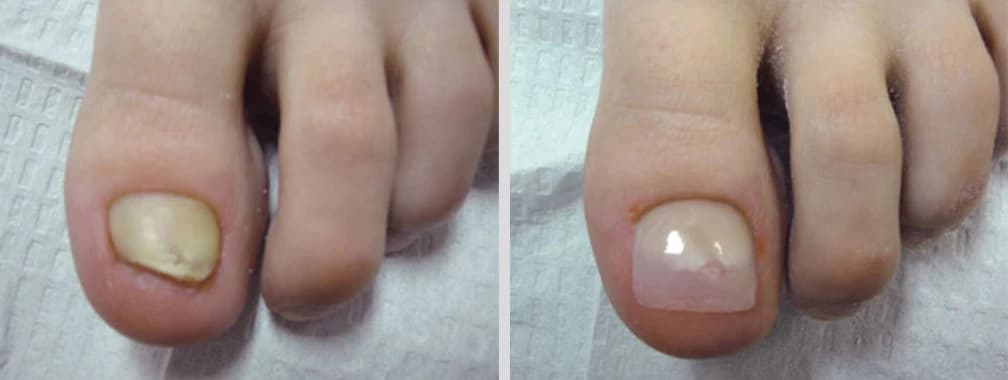
Introducing new nail technology at FALL
We offer two non-surgical nail options: Onyfix, a nail brace that can help ingrown or curved toenails, and Keryflex, a cosmetic nail restoration for damaged nails.
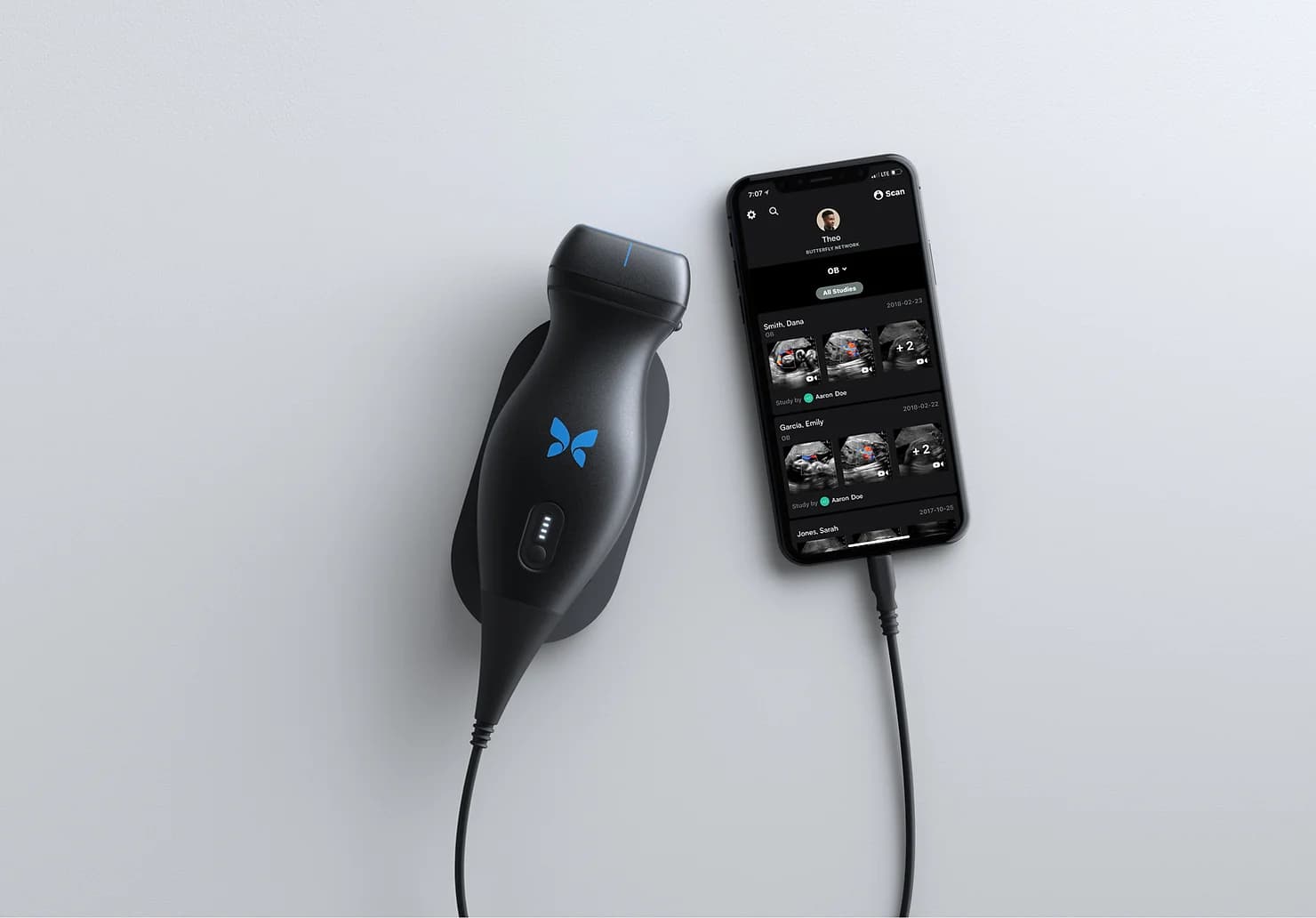
Diagnostic Ultrasound at FALL
We use a handheld ultrasound in the consulting room to look at tendons, the plantar fascia and other soft tissues while you're with us. It's painless and uses no radiation.
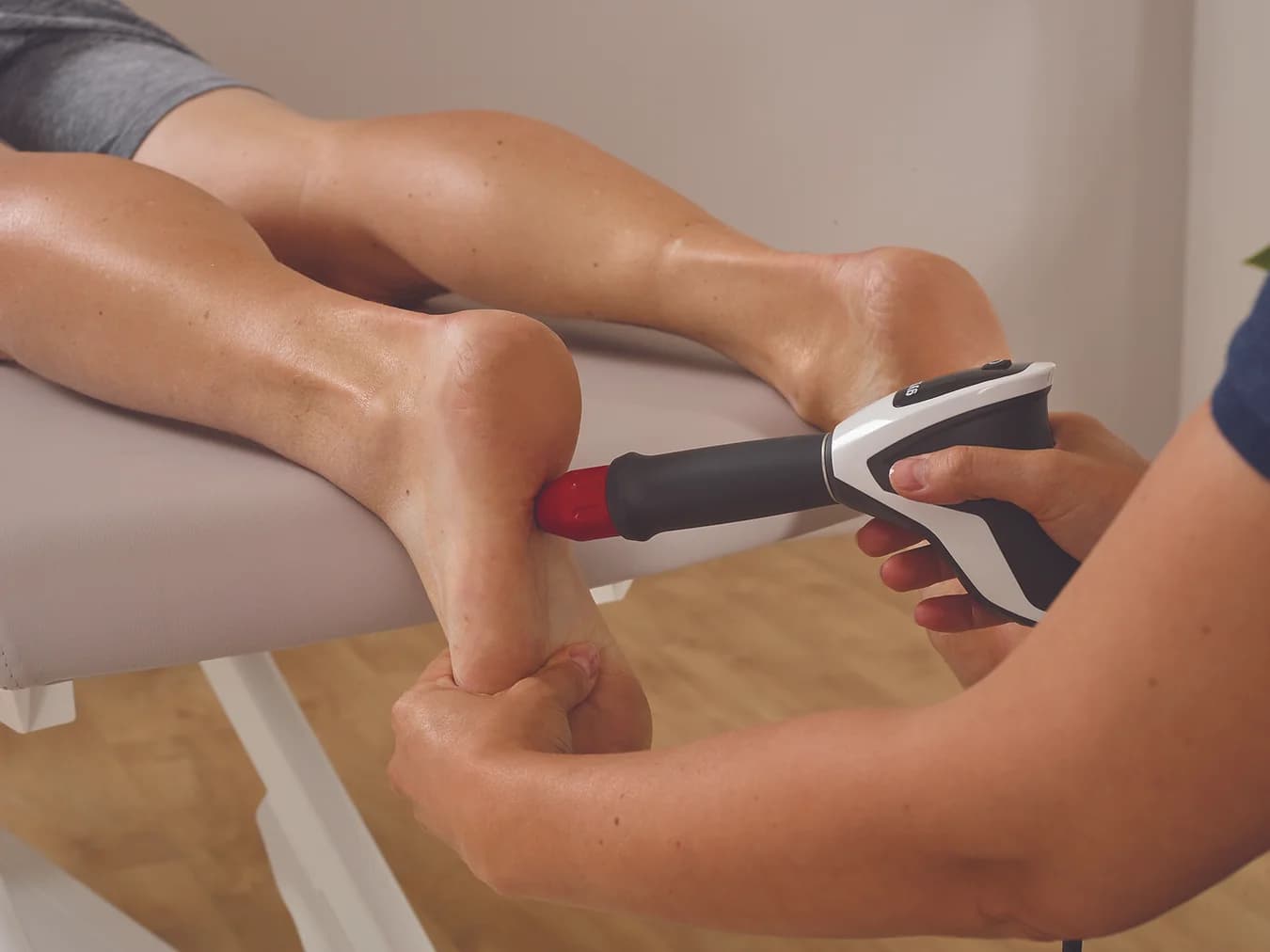
Shockwave therapy: a solution for chronic musculoskeletal conditions?
Shockwave therapy can help long-standing heel pain and Achilles tendon pain, especially alongside exercise. It isn't a cure-all, and the evidence for other conditions is weaker.