
Simple shoe lacing techniques for comfort
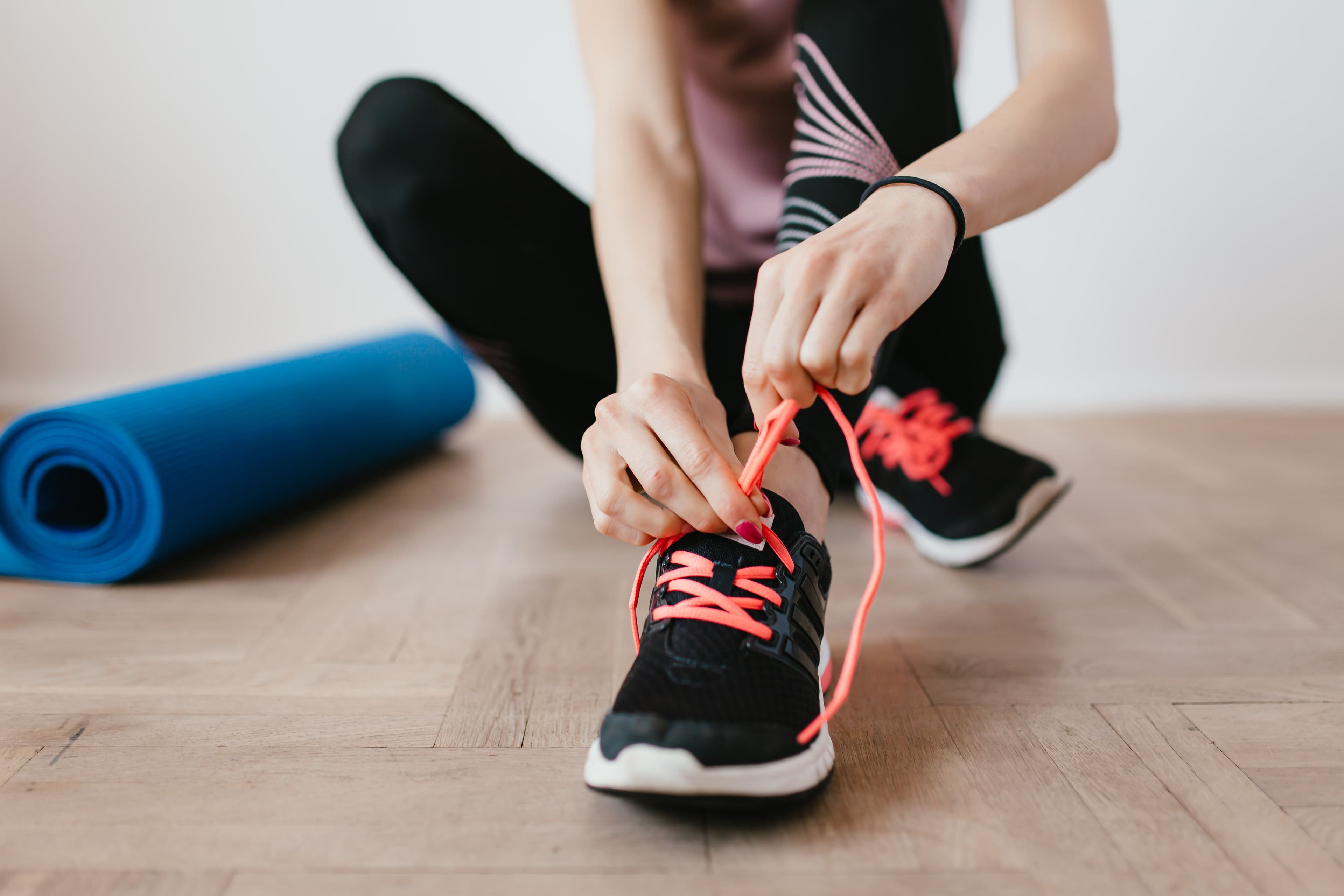
How you lace your shoes changes how they fit. Simple lacing tweaks can ease pressure on wide feet, high arches and toenails, and stop your heel slipping.
Most of us lace our shoes the way we were taught as children and never think about it again. But laces are the main way you adjust a shoe's fit, and small changes can make a real difference to comfort. Lacing that's too loose lets your foot slide around in the shoe, while firmer, higher lacing holds your foot more securely.¹,² Here are four simple techniques to try.
First, make sure the shoe fits. No lacing trick can fix a shoe that's too small. Leave about a thumb's width (1.5 cm) between your longest toe and the end of the shoe.³
Wide feet or bunions: skip an eyelet
If your shoes press on the widest part of your foot, or on a bunion, try loosening the lacing over that area.
- Lace the first eyelet as normal.
- Instead of crossing over at the tight spot, run the lace straight up the inside of the shoe to the next eyelet on the same side, on both sides.
- Resume your usual crisscross pattern above the tight area.
This leaves more room across the front of the foot, which can ease rubbing that leads to blisters, corns and calluses.⁴,⁵ If the shoe is still too tight, it's probably the wrong width for you.
Heel slipping: the heel lock (runner's loop)
If your heel lifts out of the shoe as you walk or run, or you get blisters at the back of the heel, a heel lock can help. It's also useful for narrow feet.
- Lace as normal up to the second-last eyelet on each side.
- Thread each lace straight up into the top eyelet on the same side, without crossing, to make a small loop on each side.
- Cross each lace over and thread it through the loop on the opposite side.
- Pull the laces down towards your toes to snug the shoe around your ankle, then tie as usual.
Using the extra top eyelet like this holds the foot more firmly in the shoe.¹ When laces are loose, people feel their heel slipping and their foot sliding back and forth more.² Runners also tend to find heel-lock lacing more comfortable than standard crisscross lacing.⁶
High arches: a window over the top of the foot
If you have a high arch, or a bony bump on the top of your foot, laces crossing over that spot can press uncomfortably.
- Crisscross as normal until you reach the sore spot.
- Skip the cross at that spot by running the lace straight up to the next eyelet on the same side, on both sides.
- Resume crisscrossing above it and tie as usual.
The top of the foot takes the most pressure from laces and the tongue of the shoe, and easing that pressure helps comfort.⁷
Black toenails: lift the toe box
Toenails can turn black when the toes repeatedly bump against the front or top of the shoe, causing bleeding under the nail.⁸ This technique lifts the material over your toes to give them more room.
- Leave one end of the lace short. Thread it from the big-toe eyelet straight up diagonally to the top eyelet on the opposite side.
- Use the long end to crisscross up the shoe as normal, going under the diagonal lace.
- Tie as usual. Pulling the diagonal lace lifts the shoe over your big toe.
Also check that your shoes are long enough and that your heel is held firmly, so your toes don't slide forward.²,³ If bruised nails keep happening, the cause should be fixed to stop it recurring.⁸
When to see a podiatrist
See a podiatrist if lacing changes don't help, or if you have:
- ongoing pain, numbness or tingling in your feet
- blisters, corns or calluses that keep coming back
- a dark streak or mark under a toenail that you can't link to an injury, or that doesn't grow out (it needs checking to rule out a rare skin cancer)⁸
- diabetes, as shoe fit is especially important for protecting your feet.
We can check your footwear and suggest shoes and lacing that suit your feet. Book an appointment with our podiatrists in Booragoon.
References
- Hagen M, Hennig EM (2009). Effects of different shoe-lacing patterns on the biomechanics of running shoes. Journal of Sports Sciences, 27(3), 267–275. https://doi.org/10.1080/02640410802482425
- Fiedler KE, Stuijfzand WJ, Harlaar J, et al. (2011). The effect of shoe lacing on plantar pressure distribution and in-shoe displacement of the foot in healthy participants. Gait & Posture, 33(3), 396–400. https://doi.org/10.1016/j.gaitpost.2010.12.011
- Healthdirect Australia (2024). Foot care. https://www.healthdirect.gov.au/foot-care
- Healthdirect Australia (2023). Blisters. https://www.healthdirect.gov.au/blisters
- NHS (2026). Corns and calluses. https://www.nhs.uk/conditions/corns-and-calluses/
- Sánchez-Jiménez JL, Sánchez-Ribes E, Priego-Quesada JI, et al. (2025). Sex differences in young adults on comfort and foot skin temperature using different running shoes lacing. Applied Ergonomics, 130, 104660. https://doi.org/10.1016/j.apergo.2025.104660
- Hagen M, Hömme AK, Umlauf T, Hennig EM (2010). Effects of different shoe-lacing patterns on dorsal pressure distribution during running and perceived comfort. Research in Sports Medicine, 18(3), 176–187. https://doi.org/10.1080/15438627.2010.490180
- DermNet (2020). Subungual haemorrhage. https://dermnetnz.org/topics/subungual-haemorrhage
Reviewed by Andrew Schox, Podiatrist, BSc(Hons) PGradDipPod MPod. Last reviewed October 2026.
Need Professional Podiatry Care?
Our experienced team is here to help with all your foot and ankle concerns. Book an appointment today for expert diagnosis and treatment.
Book an AppointmentRelated Articles
Home workouts: keeping fit without a gym
You don't need a gym to stay fit. Bodyweight exercises at home can build real strength, and a few simple tricks make them harder as you get fitter.
Coronavirus (COVID-19): what we're doing
We follow infection control standards to keep our clinic safe. If you're unwell with cold or flu symptoms, please call us to move your appointment rather than coming in.
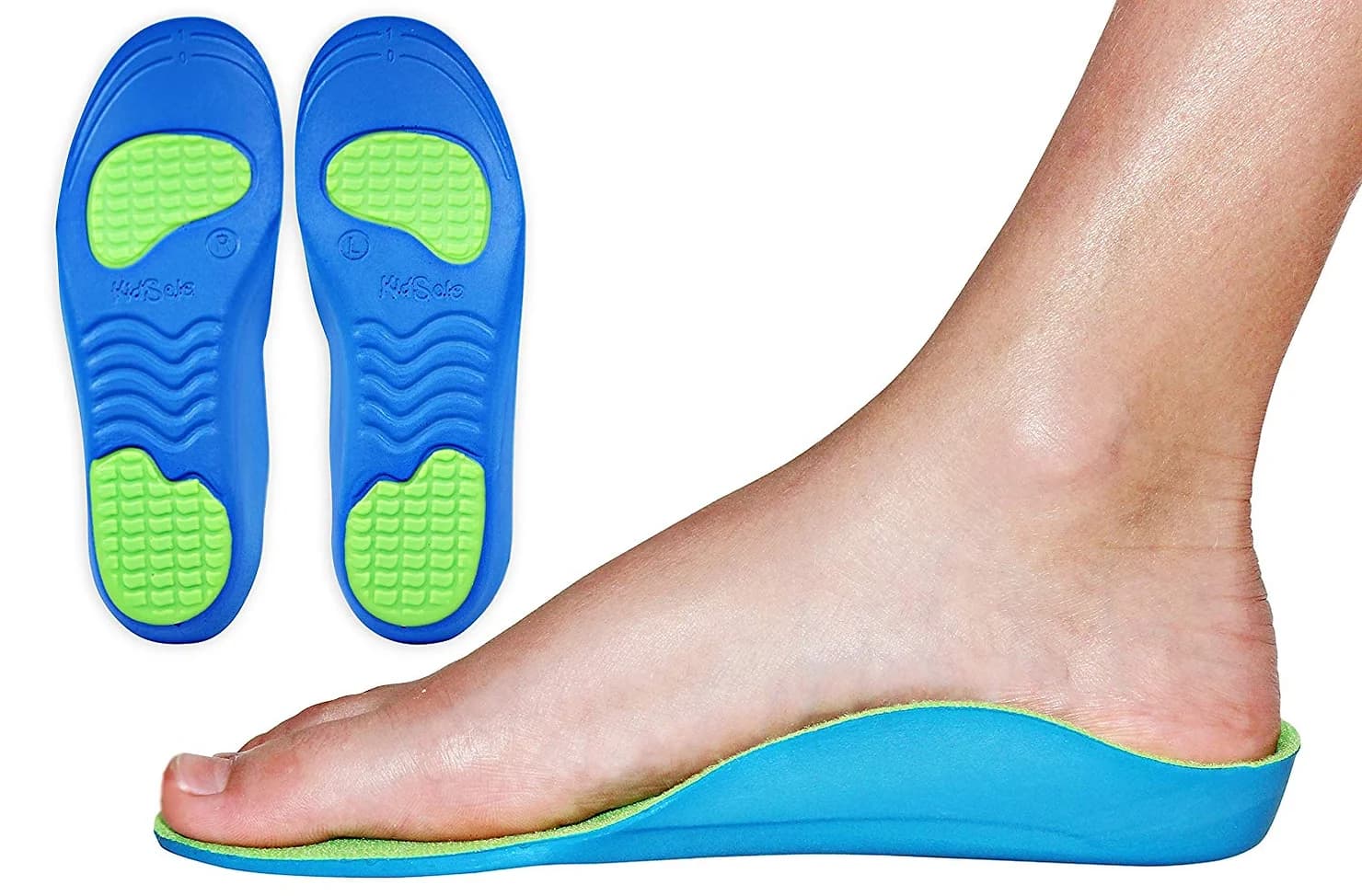
Why do my orthotics squeak in my shoes?
Squeaky orthotics are common and usually harmless. The noise comes from the orthotic rubbing against the shoe, and a few simple fixes at home usually stop it.