
When the wrong running shoe is a problem
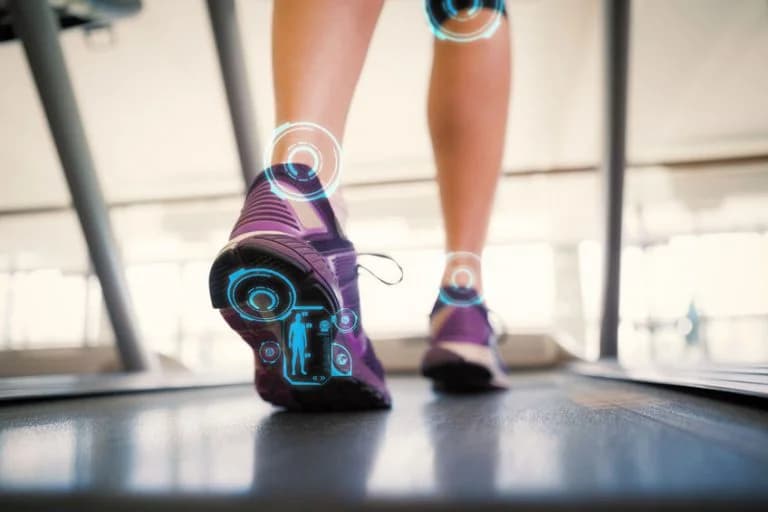
A new running shoe can sometimes cause pain rather than prevent it. This case shows why your shoe should suit your feet, and why it's worth checking footwear when pain starts.
Running shoes are meant to help, but the wrong shoe for your feet can sometimes cause pain. This real case from our clinic (with details changed to protect privacy) shows why it's worth looking at footwear first when running pain starts, and how a simple change can make a big difference.
The runner's story
A healthy middle-aged man was training for a marathon. He'd never had a foot or ankle injury. A few weeks into his program, he developed a deep, aching pain on the outside of his right foot, but only while running. It didn't bother him during the day.
He saw two practitioners before coming to us. He was given custom orthoses (shoe inserts), but the pain got worse when he wore them. He was then advised to keep using the orthoses and stop running. The pain settled with rest, but came back as soon as he started training again.
What we found
When we examined his foot, nothing hurt when we pressed on it, and moving the foot or testing his muscles didn't bring on the pain. There was no swelling or bruising. His foot posture was neutral: his feet didn't roll in (pronate) much.
The important clue came from his history. Shortly before the pain started, he'd swapped his basic running shoes for a new pair of "stability" shoes. These are designed to stop the foot rolling in, usually with a firmer section on the inner side of the midsole. His pain began about two weeks after the change.
For someone whose feet don't roll in much, a shoe that pushes against rolling in can shift more load to the outside of the foot. We think that's what was happening, and the orthoses, which also supported the inner side of his foot, probably added to it.
What fixed it
We recommended a neutral running shoe, with a sole that was even on the inner and outer sides. His pain resolved, and he went back to his full training program.
What does this mean for you?
There's no one "right" shoe. Shoes are often sold by foot type, but the research is mixed. Motion-control (stability) shoes may lower injury risk in runners whose feet roll in a lot, but they don't seem to make a difference for runners with neutral feet.¹,² And in new runners wearing neutral shoes, feet that roll in moderately weren't more likely to be injured.³
Comfort is a good guide. Choosing the shoe that feels most comfortable to you may be one of the simplest ways to lower your injury risk.⁴
Notice the timing. If pain starts soon after a change in shoes, orthoses or training, that change is a likely suspect.
Make changes gradually. When you switch to a different type of shoe, build up slowly rather than taking it straight into a long run.
When to see a podiatrist
See a podiatrist if running pain keeps coming back, gets worse, or stops you training. A podiatrist can assess your feet, how you run and your shoes, and look at your training load as well. Get checked promptly if the pain is there even when you're resting, or your foot is swollen, because repeated overload can cause a stress fracture (a small break in a bone).⁵
If running is hurting, book an appointment and bring your running shoes with you.
References
- Malisoux L, Chambon N, Delattre N, et al. (2016). Injury risk in runners using standard or motion control shoes: a randomised controlled trial with participant and assessor blinding. British Journal of Sports Medicine, 50(8), 481–487. https://doi.org/10.1136/bjsports-2015-095031
- Willems TM, Ley C, Goetghebeur E, et al. (2021). Motion-control shoes reduce the risk of pronation-related pathologies in recreational runners: a secondary analysis of a randomized controlled trial. Journal of Orthopaedic & Sports Physical Therapy, 51(3), 135–143. https://doi.org/10.2519/jospt.2021.9710
- Nielsen RO, Buist I, Parner ET, et al. (2014). Foot pronation is not associated with increased injury risk in novice runners wearing a neutral shoe: a 1-year prospective cohort study. British Journal of Sports Medicine, 48(6), 440–447. https://doi.org/10.1136/bjsports-2013-092202
- Nigg BM, Baltich J, Hoerzer S, Enders H. (2015). Running shoes and running injuries: mythbusting and a proposal for two new paradigms: 'preferred movement path' and 'comfort filter'. British Journal of Sports Medicine, 49(20), 1290–1294. https://doi.org/10.1136/bjsports-2015-095054
- Bedfordshire Hospitals NHS Foundation Trust (2023). Foot stress fracture (patient information leaflet F10). https://www.bedfordshirehospitals.nhs.uk/patient-information-leaflets/f10-foot-stress-fracture/
Reviewed by Andrew Schox, Podiatrist, BSc(Hons) PGradDipPod MPod. Last reviewed October 2026.
Need Professional Podiatry Care?
Our experienced team is here to help with all your foot and ankle concerns. Book an appointment today for expert diagnosis and treatment.
Book an AppointmentRelated Articles

Trauma case: toe problems after a serious leg injury
A serious leg or foot injury can damage the tendons that control the toes, leaving them clawed or bent. When padding and footwear don't help, surgery can straighten them.
Morton's neuroma: symptoms, treatment and when surgery helps
Morton's neuroma is an irritated nerve in the ball of the foot. Wider shoes, pads and injections often help, and surgery is an option when they don't.
Plantar fasciitis: a case history
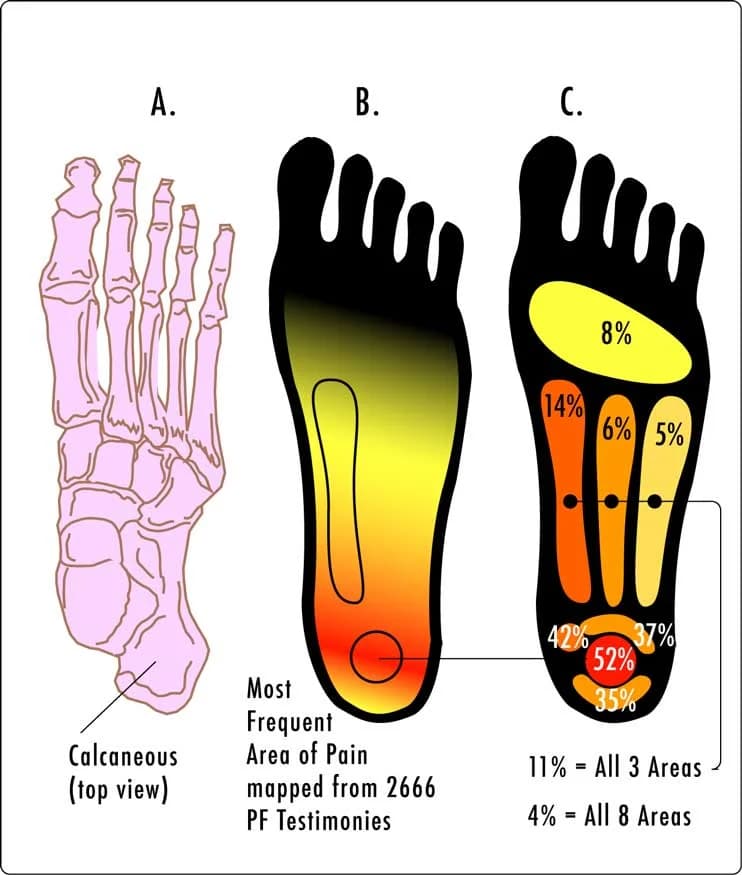
Plantar fasciitis can take months to settle, but most people get better. This case shows how we assess heel pain and combine treatments, and what we'd do differently today.