
Does your child have heel pain?
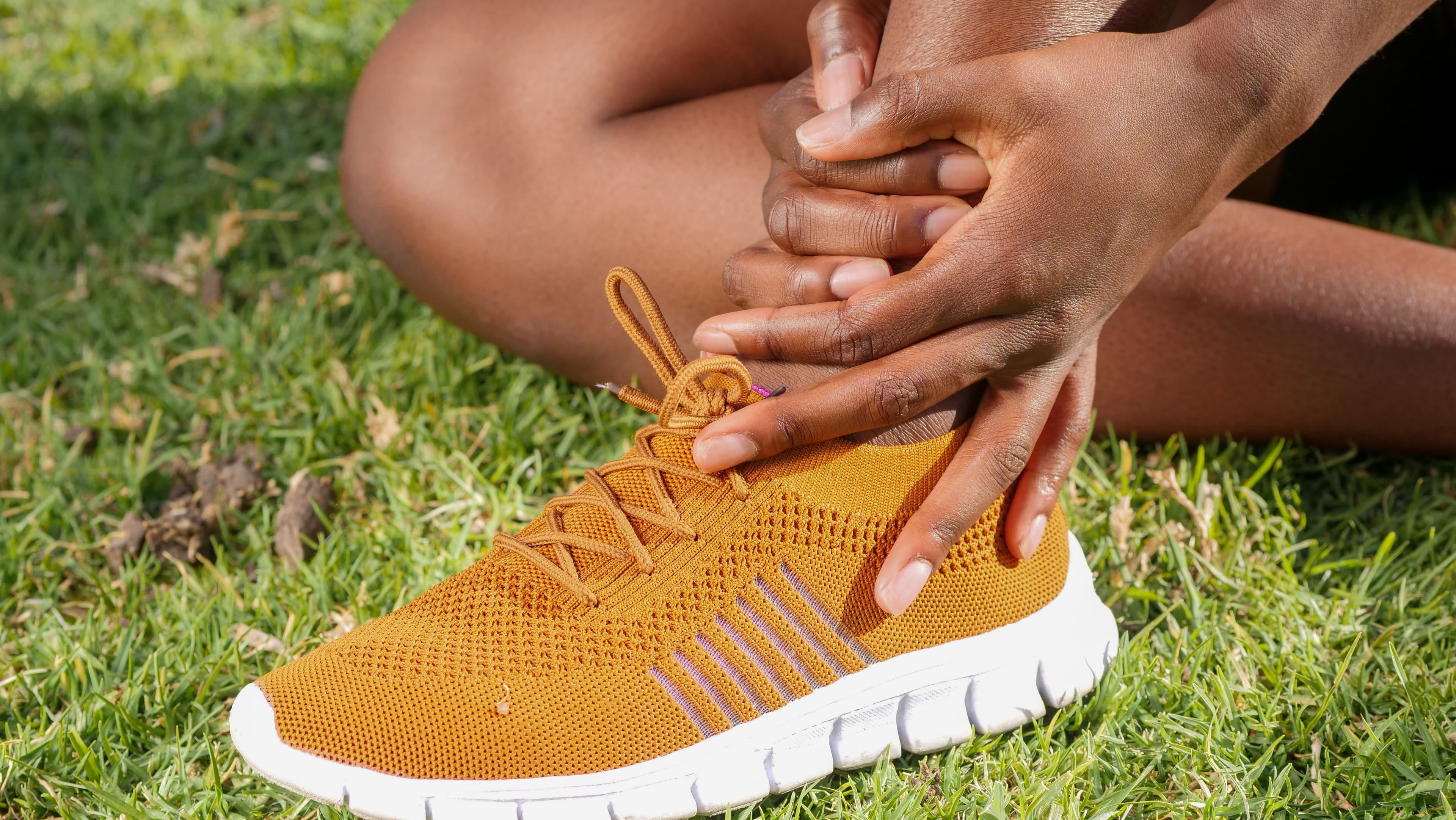
Heel pain in active children aged about 8 to 14 is often Sever's disease, a growth plate problem. It's common, it settles with time, and heel raises and activity changes can ease it.
Heel pain is one of the most common reasons parents bring children to see our podiatrists at Foot Ankle Lower Limb. If your child is somewhere between 8 and 14 and their heel hurts during or after sport, the most likely cause is Sever's disease.¹,² The good news is that it isn't serious, it doesn't cause lasting damage, and it goes away as your child grows.¹,³
What is Sever's disease?
Sever's disease is also called calcaneal apophysitis. Despite the name, it isn't really a disease. It's irritation of the growth plate at the back of the heel bone (the calcaneus), where the Achilles tendon attaches.²
During a growth spurt, the leg bones can grow faster than the muscles and tendons around them. The Achilles tendon becomes tighter and pulls harder on the heel's growth plate.¹ Running and jumping put extra stress on the area.¹,²
It usually first appears between the ages of 8 and 12, and it's uncommon after 15.¹
What causes it?
Sever's disease is an overuse problem in a growing bone. It's more likely in children who:
- are very active, especially in running and jumping sports¹,²
- have tight calf muscles or a tight Achilles tendon²
- play sport in shoes with studs or cleats¹
- are going through a growth spurt.¹
You may have heard that heavier or taller children are more at risk. Research hasn't shown that weight or the amount of activity a child does makes them more likely to get it.⁵
Signs and symptoms
Your child may have:
- pain or tenderness in the heel, especially during or after exercise
- mild swelling around the heel
- a limp.¹
The pain usually gets worse with activity and better with rest.¹
How is it diagnosed?
Your podiatrist will ask about your child's symptoms and activities and examine their feet. Gently squeezing both sides of the heel usually causes pain in Sever's disease.² X-rays and blood tests aren't normally needed.¹ Imaging is only useful when your podiatrist suspects something else, such as a stress fracture.²
What can help?
At home. Your child doesn't have to stop sport altogether. Encourage activities they can do without much pain, and have them ease off when their heel hurts.² Other things that help include:
- an ice pack wrapped in a cloth on the heel after activity¹,²
- gentle calf stretches¹,²
- cushioned heel pads in their shoes¹
- wearing studded boots only when they're really needed.¹
Ask your pharmacist about suitable pain relief for your child.²
What a podiatrist can do. Heel raises (small wedges in the shoe) or shoe inserts (orthoses) can ease pain, and heel raises seem to help a little faster in the first couple of months.³,⁴ Over a year, children do about as well whichever of these options they use, and many improve with simple rest and time.³,⁴ So we'll choose the simplest, most affordable option that suits your child, and show them stretches and how to manage their sport.
Will my child have this forever?
No. Sever's disease is self-limiting, which means it settles on its own once the growth plate fuses with the rest of the heel bone.² Most children recover within 2–3 years, although the pain can come and go along the way.¹ The aim of treatment is to keep your child comfortable and active in the meantime. Staying active is important for their health, so we don't want heel pain to stop them playing.
When to see a podiatrist
Book an assessment if your child has heel pain that doesn't settle with a few days of rest, keeps coming back, or stops them doing the things they enjoy.¹
See a doctor promptly if your child has:²
- severe pain, or can't put weight on the foot
- pain after an injury or fall
- pain at night or at rest
- a fever or seems unwell
- pain in an unusual spot.
These aren't typical of Sever's disease and need to be checked.
If your child's heels are sore, book an appointment with our podiatrists in Booragoon.
References
- Healthdirect Australia (2024). Sever's disease. https://www.healthdirect.gov.au/severs-disease
- Achar S, Yamanaka J. (2019). Apophysitis and osteochondrosis: common causes of pain in growing bones. American Family Physician, 99(10), 610–618. https://www.aafp.org/pubs/afp/issues/2019/0515/p610.html
- James AM, Williams CM, Haines TP. (2016). Effectiveness of footwear and foot orthoses for calcaneal apophysitis: a 12-month factorial randomised trial. British Journal of Sports Medicine, 50(20), 1268–1275. https://doi.org/10.1136/bjsports-2015-094986
- Wiegerinck JI, Zwiers R, Sierevelt IN, et al. (2016). Treatment of calcaneal apophysitis: wait and see versus orthotic device versus physical therapy: a pragmatic therapeutic randomized clinical trial. Journal of Pediatric Orthopaedics, 36(2), 152–157. https://doi.org/10.1097/BPO.0000000000000417
- Scharfbillig RW, Jones S, Scutter S. (2011). Sever's disease: a prospective study of risk factors. Journal of the American Podiatric Medical Association, 101(2), 133–145. https://doi.org/10.7547/1010133
Reviewed by Andrew Schox, Podiatrist, BSc(Hons) PGradDipPod MPod. Last reviewed October 2026.
Need Professional Podiatry Care?
Our experienced team is here to help with all your foot and ankle concerns. Book an appointment today for expert diagnosis and treatment.
Book an AppointmentRelated Articles
Bunions: is it just a "bump" on the side of my big toe?
A bunion isn't just a bump. It's a change in the alignment of the big toe joint that often runs in families. Shoes can make it hurt, and treatment eases pain but won't straighten the toe.
What are the best shoes for orthotics?
The best shoes for orthotics have a removable insole, a firm heel, enough depth and a low heel, and fasten with laces or Velcro. Always take your orthotics when you shop.
Is foot surgery painful?
You won't feel the operation itself, and pain afterwards can usually be well controlled. Bigger operations on the bones can still be quite sore, so a good pain plan matters.