
Morton's neuroma: symptoms, treatment and when surgery helps
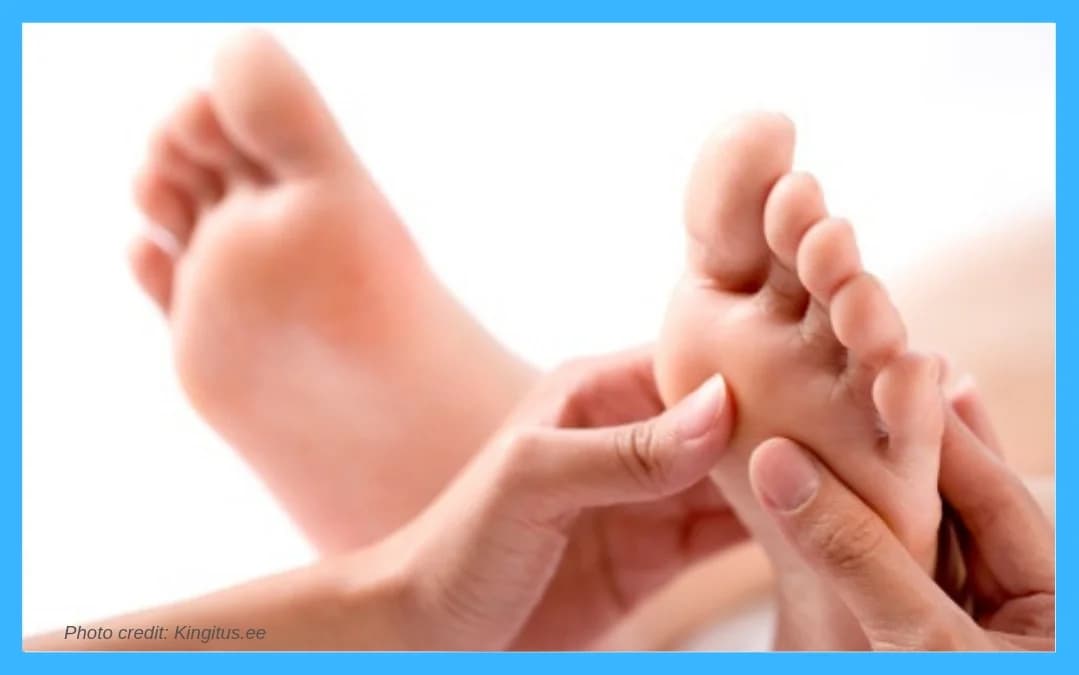
Morton's neuroma is an irritated nerve in the ball of the foot. Wider shoes, pads and injections often help, and surgery is an option when they don't.
Morton's neuroma is a painful, irritated nerve in the ball of the foot, usually between the third and fourth toes. It can feel like walking on a pebble. Many people get relief from simple changes to their shoes and some padding. When those don't help, there are injections and, for longer-lasting cases, surgery.
What is Morton's neuroma?
A nerve runs between the long bones of the foot (the metatarsals) to supply the toes. In Morton's neuroma, this nerve becomes thickened and painful where it gets squeezed near the base of the toes.¹ It's most common in the space between the third and fourth toes, followed by the space between the second and third.²
Despite the name, it isn't a tumour or a cancer. It's an irritated, enlarged nerve.
It most often starts around the age of 55, and it's more than four times as common in women as in men.³
What causes it?
The exact cause isn't certain, but anything that squeezes the front of the foot can play a part. It's often linked with:⁴
- tight, pointy shoes or high heels
- high-impact sport, such as running
- other foot problems, such as flat feet, high arches, bunions or hammer toes.
Signs and symptoms
The main symptoms are:⁴
- a shooting, stabbing or burning pain between the toes, often the third and fourth
- a feeling that there's a small stone or a fold in your sock under the ball of your foot
- tingling or numbness in the toes.
The pain is often worse when you walk, or when you wear tight or high-heeled shoes.⁴
How is it diagnosed?
Your podiatrist will usually diagnose a Morton's neuroma from your symptoms and by examining your foot. If the diagnosis isn't clear, an ultrasound scan can confirm it, and it's about as reliable as an MRI for this.⁵
What can help?
Self-care. Many people improve with simple steps:⁴
- wear wide, comfortable shoes with a low heel and a soft sole
- avoid tight, pointy shoes and high heels
- try soft insoles or a small pad under the ball of the foot
- rest and raise your foot when it's sore, and swap running for lower-impact exercise for a while.
Ask your pharmacist or GP about pain relief medicine.
What a podiatrist can do. We check your shoes and the way your foot works, and we can make padding or orthoses (shoe inserts) designed to take pressure off the nerve.⁴ Massage and gentle joint mobilisation of the forefoot can also ease pain for some people.²
Injections. A corticosteroid (steroid) injection can reduce pain.² Giving the injection with ultrasound guidance probably works better than giving it without.¹ Other options, such as heat treatment of the nerve (radiofrequency ablation), are also used.³
Be realistic about what to expect. No single non-surgical treatment has strong proof that it's the best, so it's normal to try a couple of approaches to find what works for you.¹,²
Surgery. If your pain is severe, or other treatments haven't worked, surgery may be an option.³,⁴ The most common operation removes a short section of the irritated nerve through a small cut on the top of the foot.⁶
There are trade-offs to know about. After the nerve is removed, the sides of the two toes it supplied stay permanently numb, though most people get used to it.⁶ Swelling can take 4–6 months to settle, and most people are back to their usual activities within about 3 months.⁶ Sometimes the cut end of the nerve becomes painful, and a small number of people need further surgery.⁶
When to see a podiatrist
See a podiatrist or GP if:⁴
- the pain is severe or getting worse
- it hasn't improved after 2 weeks of self-care
- you have tingling or numbness in your foot
- the pain started after an injury or surgery.
If you have diabetes, poor circulation or nerve damage in your feet, get any new foot pain checked promptly.
If you have burning pain in the ball of your foot, book an appointment with our podiatrists in Booragoon to find out what's going on and what's likely to help.
References
- Matthews BG, Thomson CE, Harding MP, McKinley JC, Ware RS (2024). Treatments for Morton's neuroma. Cochrane Database of Systematic Reviews, Issue 2, CD014687. https://doi.org/10.1002/14651858.CD014687.pub2
- Matthews BG, Hurn SE, Harding MP, Henry RA, Ware RS (2019). The effectiveness of non-surgical interventions for common plantar digital compressive neuropathy (Morton's neuroma): a systematic review and meta-analysis. Journal of Foot and Ankle Research, 12, 12. https://doi.org/10.1186/s13047-019-0320-7
- nidirect (n.d.). Morton's neuroma. https://www.nidirect.gov.uk/conditions/mortons-neuroma
- NHS (2025). Morton's neuroma. https://www.nhs.uk/conditions/mortons-neuroma/
- Bignotti B, Signori A, Sormani MP, Molfetta L, Martinoli C, Tagliafico A (2015). Ultrasound versus magnetic resonance imaging for Morton neuroma: systematic review and meta-analysis. European Radiology, 25(8), 2254–2262. https://doi.org/10.1007/s00330-015-3633-3
- Royal Orthopaedic Hospital NHS Foundation Trust (n.d.). Morton's neuroma surgery. https://roh.nhs.uk/services-information/foot-and-ankle/mortons-neuroma-surgery
Reviewed by Andrew Schox, Podiatrist, BSc(Hons) PGradDipPod MPod. Last reviewed October 2026.
Need Professional Podiatry Care?
Our experienced team is here to help with all your foot and ankle concerns. Book an appointment today for expert diagnosis and treatment.
Book an AppointmentRelated Articles

When the wrong running shoe is a problem
A new running shoe can sometimes cause pain rather than prevent it. This case shows why your shoe should suit your feet, and why it's worth checking footwear when pain starts.

Trauma case: toe problems after a serious leg injury
A serious leg or foot injury can damage the tendons that control the toes, leaving them clawed or bent. When padding and footwear don't help, surgery can straighten them.
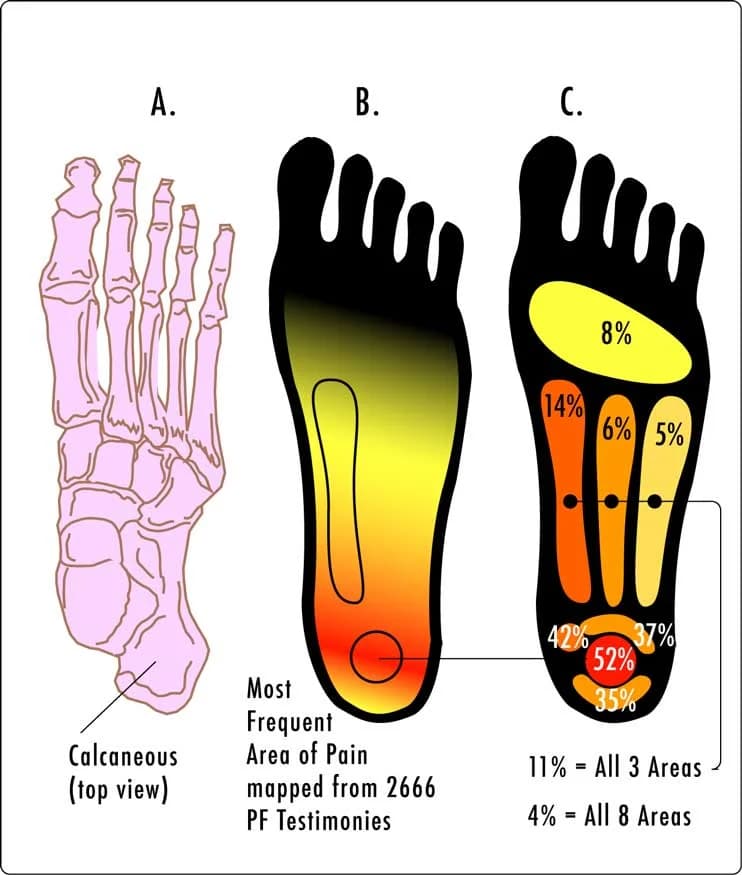
Plantar fasciitis: a case history
Plantar fasciitis can take months to settle, but most people get better. This case shows how we assess heel pain and combine treatments, and what we'd do differently today.