
Bunions: is it just a "bump" on the side of my big toe?
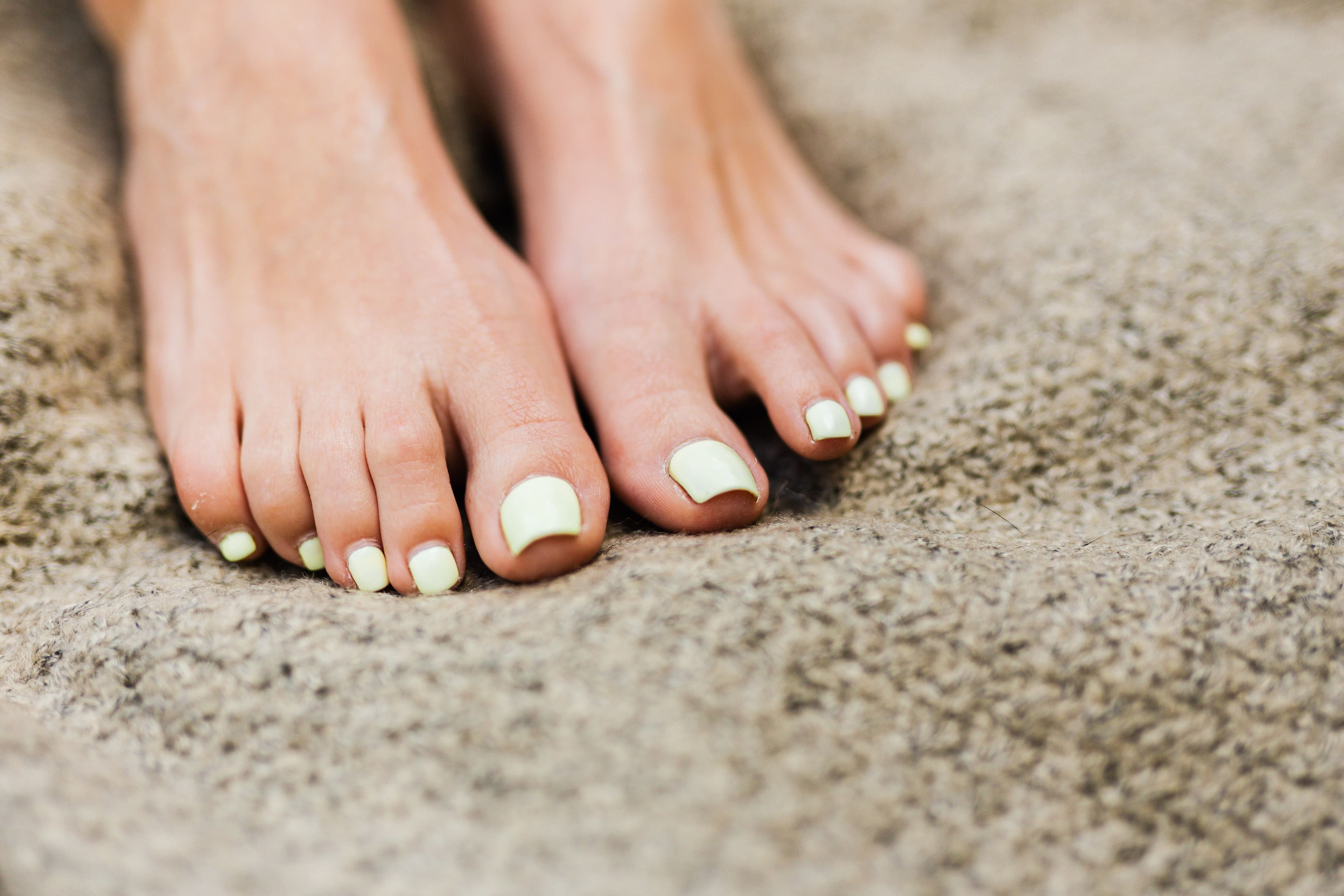
A bunion isn't just a bump. It's a change in the alignment of the big toe joint that often runs in families. Shoes can make it hurt, and treatment eases pain but won't straighten the toe.
Bunions are one of the most common toe problems our podiatrists see at Foot Ankle Lower Limb. About 1 in 4 adults has one, rising to about 1 in 3 people over 65, and women are affected more than twice as often as men.¹ There are also plenty of myths about them. Here are the questions we're asked most often, and what we know.
Is a bunion just a bump?
No. The medical name for a bunion is hallux valgus. It's a change in the alignment of the big toe joint. The first metatarsal (the long bone behind the big toe) drifts outwards, and the big toe leans in towards the second toe.²,⁴ That pushes the joint out to the side, which is the bump you see. So the bump is the visible sign of a joint that has moved out of line, not an extra growth of bone.
Bunions often get worse over time rather than better.² Not every bunion hurts, though, and many people have one for years without much trouble.
Do high heels cause bunions?
Not on their own. The biggest factor is the foot you inherit: bunions run strongly in families,³ and many people with a bunion have a relative with one.² The shape of the bones in your foot matters too.⁴ Arthritis, such as rheumatoid arthritis, and foot injuries can also lead to bunions.²
Shoes do play a part. Narrow, tight shoes may increase your chance of getting a bunion,² and wearing high heels is linked with bunions.⁵ But the research on footwear isn't conclusive,⁴ so it's unlikely that the shoes you chose are the whole story. Where shoes clearly matter is pain. Tight, pointed or high-heeled shoes press on the joint and can make a bunion much more uncomfortable.
Can non-surgical treatment reverse a bunion?
No. Non-surgical treatment is about easing pain and keeping you active, not changing the shape of your foot. Treatments such as orthoses (shoe inserts), splints, taping and exercises are more likely to reduce pain than to straighten the toe.⁶ Orthoses can ease pain in the short term.⁷
That includes toe splints and straighteners sold online. They may help some people feel more comfortable, but they won't correct the bunion.²,⁶ If a splint makes your foot sorer, stop using it.
What treatment can help?
Your podiatrist will assess your foot, how you walk and the shoes you wear, and may refer you for an x-ray to check the alignment of the bones.² Depending on your needs, treatment may include:
- footwear advice, such as wide shoes with a low heel and soft sole⁸
- padding to stop shoes rubbing on the bump⁸
- orthoses
- exercises to keep the joint moving and the foot strong
- a corticosteroid injection into the joint in some cases.²
When is surgery an option?
Surgery is the only way to correct the alignment of the toe. It's considered when a bunion is very painful or is having a big effect on your life, not just to change how the foot looks.⁸ For a painful bunion, surgery tends to give longer-lasting pain relief than orthoses.⁷ Recovery can take a long time, and a bunion can come back after surgery.² We can talk you through whether a surgical opinion makes sense, and refer you to a podiatric surgeon if it does.
When to see a podiatrist
See a podiatrist or GP if your bunion is painful or inflamed, if it makes it hard to wear shoes or walk, or if it's getting worse.²,⁸ If you have diabetes, get any bunion checked, because foot problems can be more serious.² A red, hot, swollen joint that comes and goes may be gout rather than a bunion.⁸
For more detail, read our main article on bunions. If a bunion is bothering you, book an appointment with our podiatrists.
References
- Nix S, Smith M, Vicenzino B. (2010). Prevalence of hallux valgus in the general population: a systematic review and meta-analysis. Journal of Foot and Ankle Research, 3, 21. https://doi.org/10.1186/1757-1146-3-21
- Healthdirect Australia (2026). Bunions. https://www.healthdirect.gov.au/bunions
- Hannan MT, Menz HB, Jordan JM, et al. (2013). High heritability of hallux valgus and lesser toe deformities in adult men and women. Arthritis Care & Research, 65(9), 1515–1521. https://doi.org/10.1002/acr.22040
- Nix SE, Vicenzino BT, Collins NJ, Smith MD. (2012). Characteristics of foot structure and footwear associated with hallux valgus: a systematic review. Osteoarthritis and Cartilage, 20(10), 1059–1074. https://doi.org/10.1016/j.joca.2012.06.007
- Barnish MS, Barnish J. (2016). High-heeled shoes and musculoskeletal injuries: a narrative systematic review. BMJ Open, 6(1), e010053. https://doi.org/10.1136/bmjopen-2015-010053
- Hurn SE, Matthews BG, Munteanu SE, Menz HB. (2022). Effectiveness of nonsurgical interventions for hallux valgus: a systematic review and meta-analysis. Arthritis Care & Research, 74(10), 1676–1688. https://doi.org/10.1002/acr.24603
- Torkki M, Malmivaara A, Seitsalo S, et al. (2001). Surgery vs orthosis vs watchful waiting for hallux valgus: a randomized controlled trial. JAMA, 285(19), 2474–2480. https://doi.org/10.1001/jama.285.19.2474
- NHS (2023). Bunions. https://www.nhs.uk/conditions/bunions/
Reviewed by Andrew Schox, Podiatrist, BSc(Hons) PGradDipPod MPod. Last reviewed October 2026.
Need Professional Podiatry Care?
Our experienced team is here to help with all your foot and ankle concerns. Book an appointment today for expert diagnosis and treatment.
Book an AppointmentRelated Articles
Does your child have heel pain?
Heel pain in active children aged about 8 to 14 is often Sever's disease, a growth plate problem. It's common, it settles with time, and heel raises and activity changes can ease it.
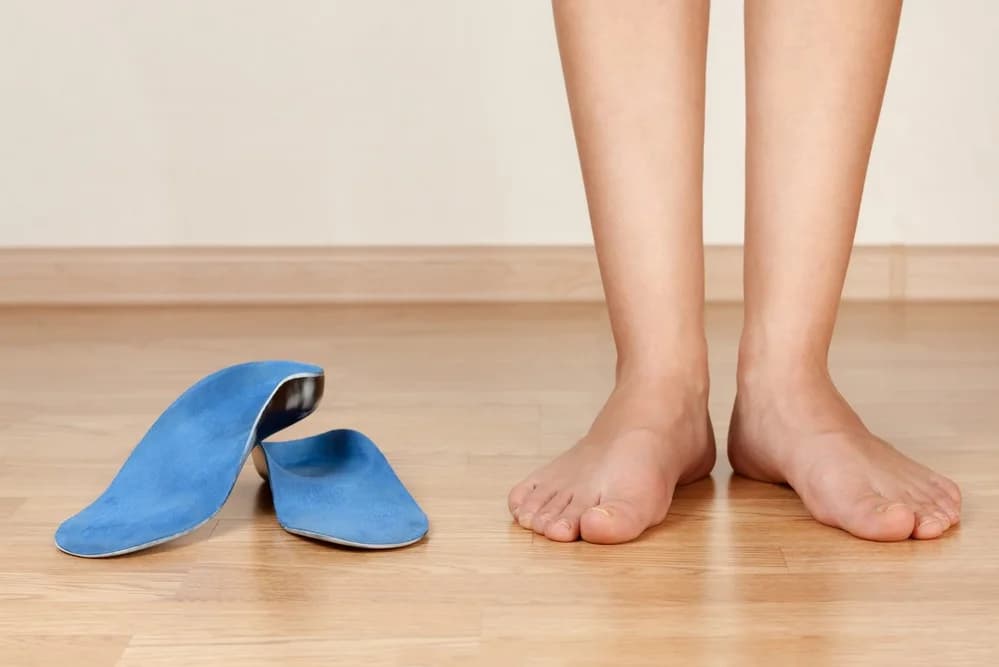
What are the best shoes for orthotics?
The best shoes for orthotics have a removable insole, a firm heel, enough depth and a low heel, and fasten with laces or Velcro. Always take your orthotics when you shop.

Is foot surgery painful?
You won't feel the operation itself, and pain afterwards can usually be well controlled. Bigger operations on the bones can still be quite sore, so a good pain plan matters.