
Gait analysis

Gait analysis is a careful look at how you walk or run, from your head down to your toes. It helps your podiatrist work out why something hurts and what to do about it.
Gait analysis means looking closely at how you walk or run. It's useful if you have pain in your feet, ankles, knees or hips, if you keep getting the same injury, or if you're having trouble with balance. At Foot Ankle Lower Limb, it's part of most assessments for pain that comes on with activity.
How does it work?
Gait analysis is much more than watching your feet and shoes. How you walk depends on how all the parts of your body move together, so we look at the whole picture.
We watch your head position, the tilt of your shoulders, the curve of your spine, and the position of your hips and knees. We also look for any twisting in the leg bones, which can change how your feet point. Then we follow the foot and ankle through each step, from the moment your heel touches the ground until your toes push off, including how your toes work.
There are two main ways to do it.
Watching you walk. Your podiatrist watches you walk or run, often in the clinic and sometimes on video, which can be slowed down. Podiatrists may use cameras to see how you walk or run and better understand your movement and posture.¹
Measuring with equipment. We also use a Zebris treadmill system, which has a pressure-sensing plate built into it. As you walk or run, it records how long each foot is on the ground, the length of your steps, and how pressure moves across each foot. It can also measure your balance while you stand.
What can it help with?
A gait analysis helps your podiatrist understand why a problem is happening, not just where it hurts. It can help with:
- heel, arch, shin, knee or hip pain that comes on when you walk or run
- injuries that keep coming back, such as ankle sprains
- balance problems, or concerns about falls
- deciding whether orthoses (shoe inserts) or different shoes might help, and checking how well they're working
- planning a return to running after an injury.
Podiatrists assess and treat injuries, pain and balance problems in the foot, ankle and lower limb.¹
Does it work?
Gait analysis is an assessment tool rather than a treatment, so its value depends on how well it guides your care.
Watching someone walk is quick and useful, but it has limits. Different clinicians watching the same person often don't agree exactly on what they see, and estimates of joint angles by eye aren't very accurate.² That's why we don't rely on eyesight alone.
Instrumented treadmills give consistent, repeatable measurements of things like timing, step length and pressure.³ That makes them good for comparing one visit with the next, or one pair of shoes with another. Small changes are harder to detect than large ones.³
The most useful approach puts the two together, along with your history, a hands-on examination and strength and flexibility testing.
What to expect at FALL
Wear or bring comfortable clothes, such as shorts, so we can see your knees and legs. Bring the shoes you usually wear for walking, work or sport, and any orthoses you already have.
We'll ask about your symptoms and activity, examine your feet and legs, then watch you walk and, if relevant, run. With the Zebris system, you walk on the treadmill for a few minutes at a comfortable pace. We'll go through the results with you and explain what they mean for your treatment.
To find out what's behind your pain, book an appointment.
References
- Healthdirect Australia (2023). Podiatrist. https://www.healthdirect.gov.au/podiatrist
- Matsuzaka D, Wagatsuma K, Shimada T, et al. (2025). Reliability and validity of observational gait analysis by physical therapists: possibility of verifying accuracy and improving technology in visual measurement of joint angles. Physical Therapy Research, 28(2), 129–136. https://doi.org/10.1298/ptr.E10342
- Reed LF, Urry SR, Wearing SC (2013). Reliability of spatiotemporal and kinetic gait parameters determined by a new instrumented treadmill system. BMC Musculoskeletal Disorders, 14, 249. https://doi.org/10.1186/1471-2474-14-249
Reviewed by Andrew Schox, Podiatrist, BSc(Hons) PGradDipPod MPod. Last reviewed October 2026.
Need Professional Podiatry Care?
Our experienced team is here to help with all your foot and ankle concerns. Book an appointment today for expert diagnosis and treatment.
Book an AppointmentRelated Articles
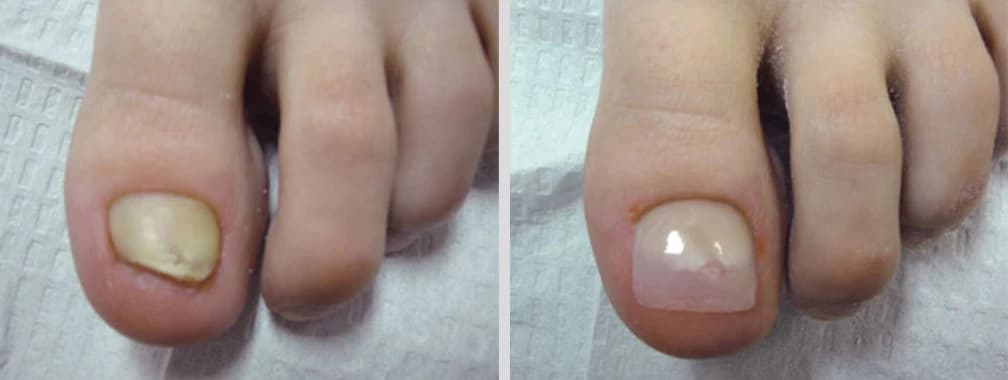
Introducing new nail technology at FALL
We offer two non-surgical nail options: Onyfix, a nail brace that can help ingrown or curved toenails, and Keryflex, a cosmetic nail restoration for damaged nails.
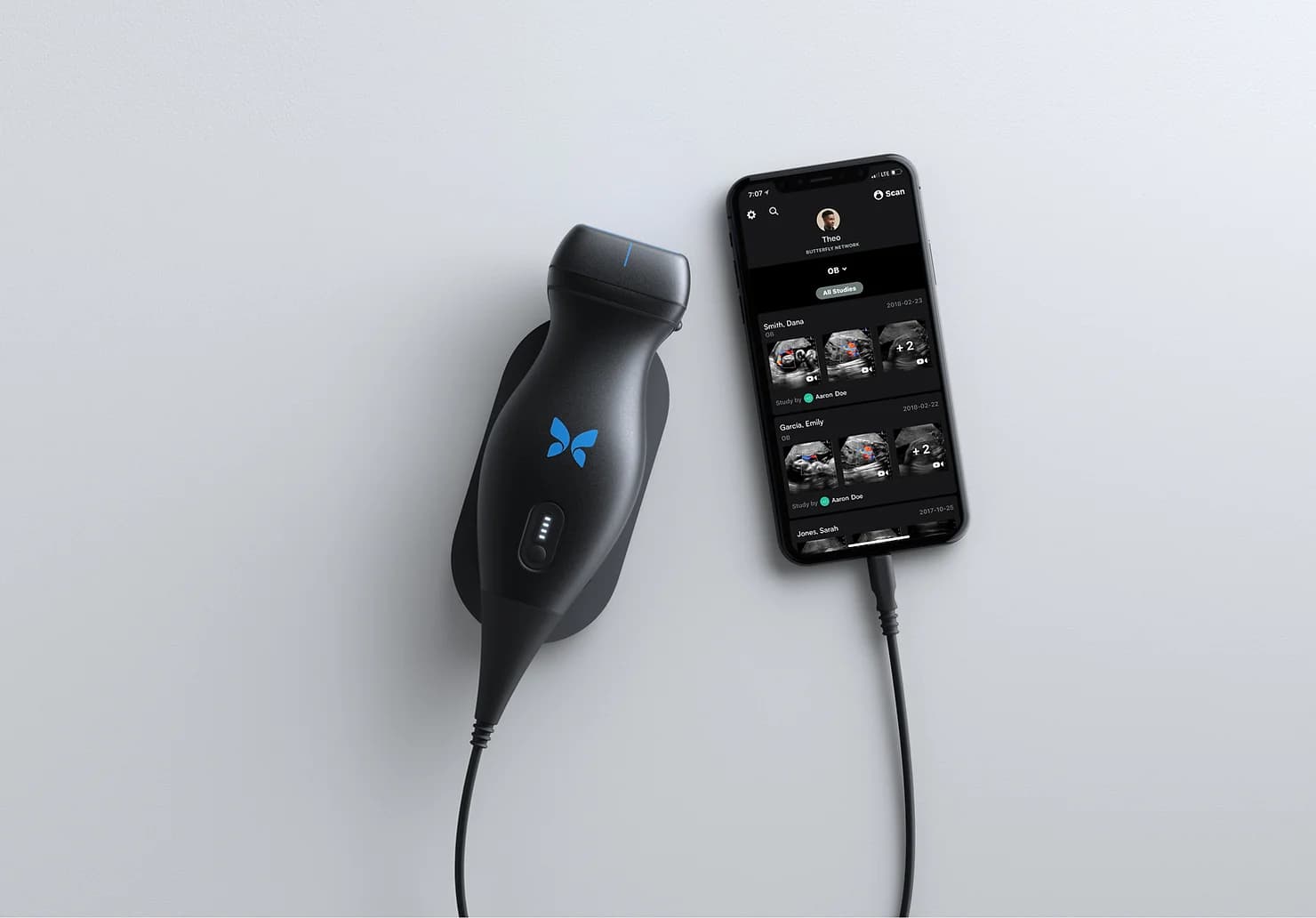
Diagnostic Ultrasound at FALL
We use a handheld ultrasound in the consulting room to look at tendons, the plantar fascia and other soft tissues while you're with us. It's painless and uses no radiation.
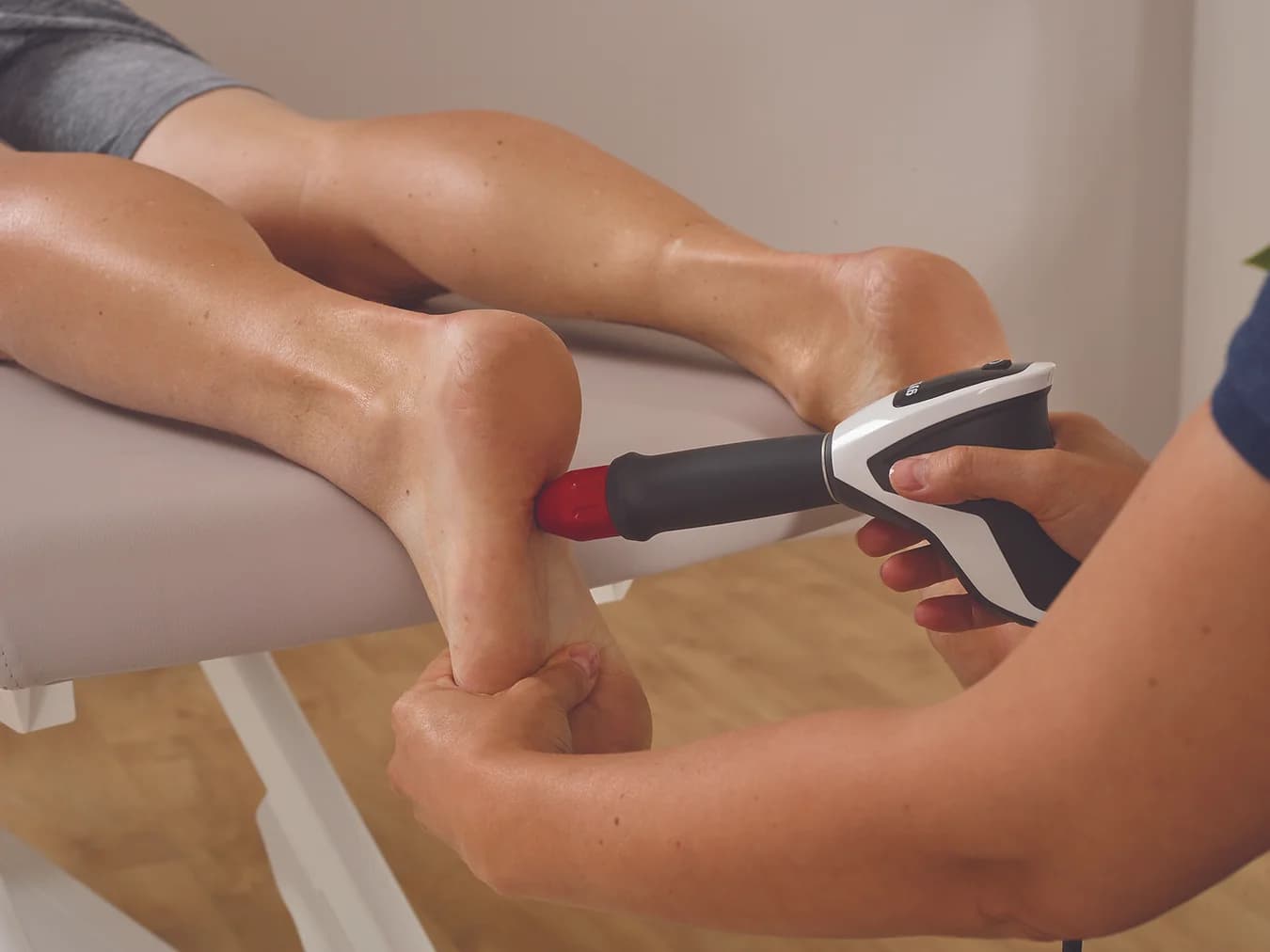
Shockwave therapy: a solution for chronic musculoskeletal conditions?
Shockwave therapy can help long-standing heel pain and Achilles tendon pain, especially alongside exercise. It isn't a cure-all, and the evidence for other conditions is weaker.