
Diagnostic Ultrasound at FALL
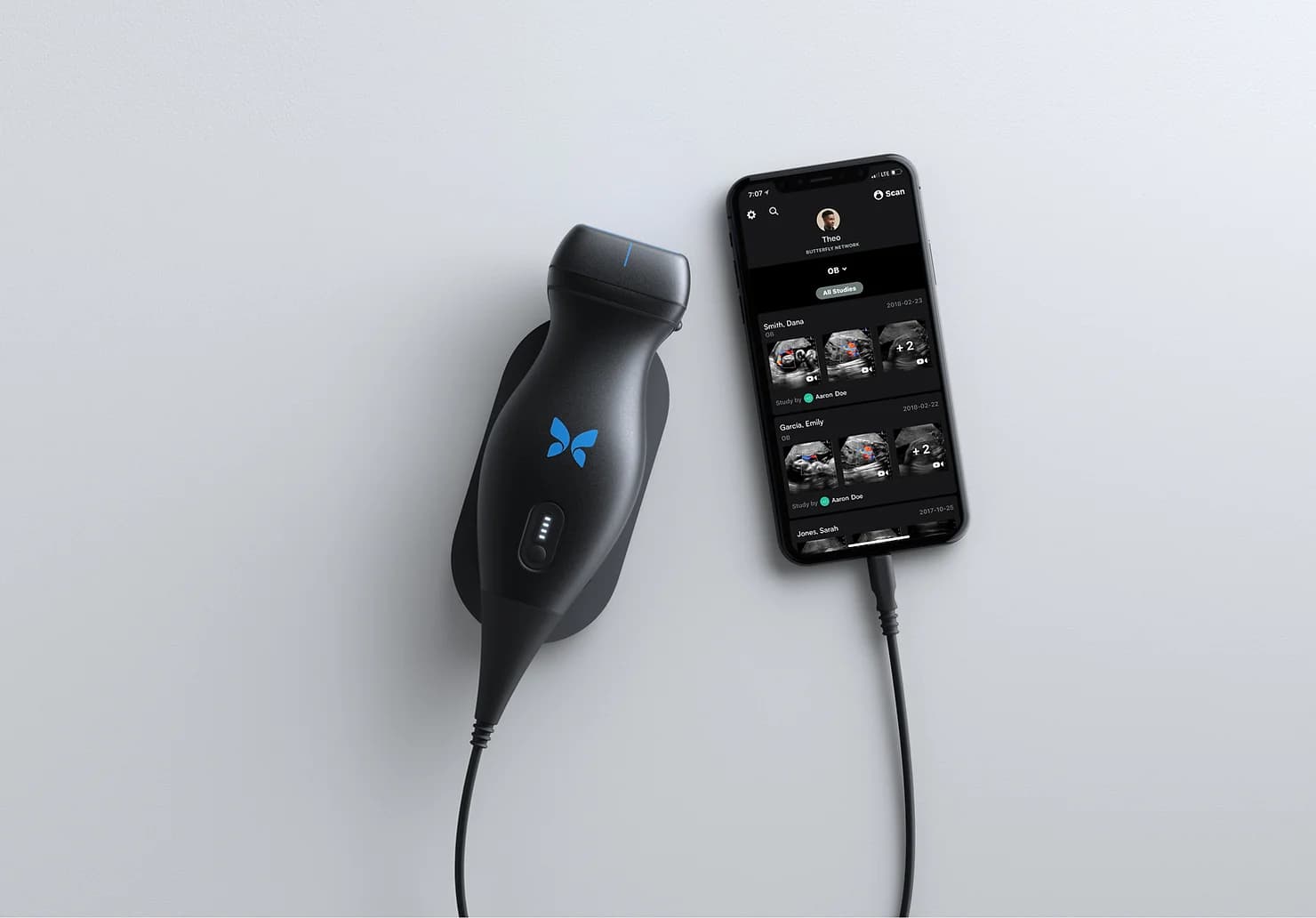
We use a handheld ultrasound in the consulting room to look at tendons, the plantar fascia and other soft tissues while you're with us. It's painless and uses no radiation.
At Foot Ankle Lower Limb, we use a Butterfly iQ handheld ultrasound device to look inside the foot and lower leg during your appointment. Diagnostic ultrasound is an imaging test. It helps us check soft tissues such as tendons, ligaments and the plantar fascia when you have heel, Achilles or forefoot pain.
How does it work?
A small handheld probe sends high-frequency sound waves into the body. Different tissues reflect the sound back in different ways, and the echoes are turned into a moving image on a screen.¹ A little gel on the skin helps the sound pass through. The scan is painless and doesn't use radiation, so it is very safe.¹
Because the image is live, we can watch a tendon or joint as you move it.²
Diagnostic ultrasound is one of three ways ultrasound is used in health care. Doppler ultrasound shows blood flowing through arteries and veins.³ Therapeutic ultrasound is a treatment rather than a test (see below). We have all three at FALL.
What can it help with?
Ultrasound shows soft tissue well. It can help identify tendon tears or tendinitis, muscle tears, ligament sprains, and fluid or swelling in joints and bursae (small fluid-filled cushions).² In heel pain, ultrasound is commonly used to measure the plantar fascia, which is usually thicker in people with plantar fasciitis.⁴ It can also help find a Morton's neuroma (a thickened nerve between the toes).⁵
Ultrasound is less useful for bone. Sound can't pass through bone, so a scan only shows its outer surface.² If we suspect a fracture or arthritis, an X-ray is usually needed, as it shows bones and joints well.⁶ MRI is often used to see inside bones or certain joints.²
Does it work?
Yes, for many common foot problems. Ultrasound can show the thickening of the plantar fascia that comes with plantar fasciitis,⁴ and it finds Morton's neuromas about as well as an MRI does.⁵ It's quick, and you get an answer during your appointment.
Therapeutic ultrasound (used as a treatment rather than a scan) is a different story: it doesn't seem to help a freshly sprained ankle.⁷
What to expect at FALL
If your podiatrist thinks a scan will help, it's done right there in the consulting room. We can show you the images as we go, so you can see what we're talking about. We may also scan again at follow-up visits to see how the tissue is changing.
A scan is only one part of the picture. We read it alongside your history and examination, and refer you for X-ray or MRI if needed.
If you'd like your foot or ankle pain assessed, you can book an appointment.
References
- InsideRadiology, Royal Australian and New Zealand College of Radiologists (2018). Ultrasound. https://www.insideradiology.com.au/ultrasound/
- RadiologyInfo.org, Radiological Society of North America and American College of Radiology (2025). Musculoskeletal ultrasound. https://www.radiologyinfo.org/en/info/musculous
- RadiologyInfo.org, Radiological Society of North America and American College of Radiology (2024). General ultrasound. https://www.radiologyinfo.org/en/info/genus
- McMillan AM, Landorf KB, Barrett JT, Menz HB, Bird AR (2009). Diagnostic imaging for chronic plantar heel pain: a systematic review and meta-analysis. Journal of Foot and Ankle Research, 2, 32. https://doi.org/10.1186/1757-1146-2-32
- Bignotti B, Signori A, Sormani MP, et al. (2015). Ultrasound versus magnetic resonance imaging for Morton neuroma: systematic review and meta-analysis. European Radiology, 25(8), 2254–2262. https://doi.org/10.1007/s00330-015-3633-3
- healthdirect Australia (2025). X-rays. https://www.healthdirect.gov.au/x-rays
- van den Bekerom MPJ, van der Windt DAWM, ter Riet G, et al. (2011). Therapeutic ultrasound for acute ankle sprains. Cochrane Database of Systematic Reviews, (6), CD001250. https://doi.org/10.1002/14651858.CD001250.pub2
Reviewed by Andrew Schox, Podiatrist, BSc(Hons) PGradDipPod MPod. Last reviewed October 2026.
Need Professional Podiatry Care?
Our experienced team is here to help with all your foot and ankle concerns. Book an appointment today for expert diagnosis and treatment.
Book an AppointmentRelated Articles
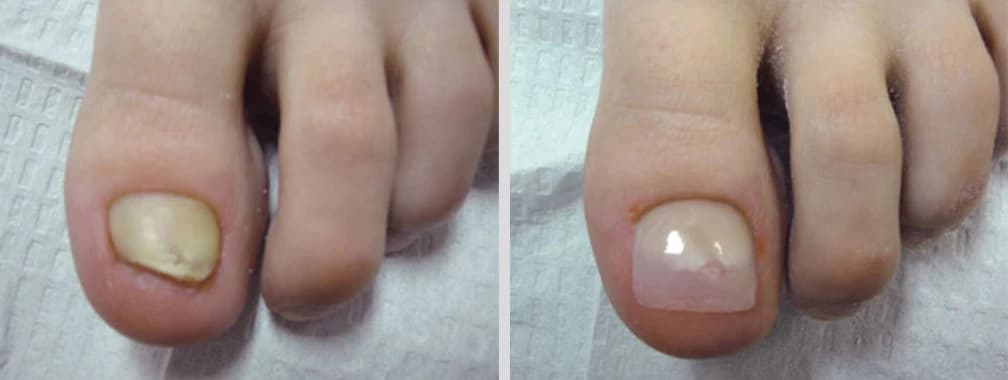
Introducing new nail technology at FALL
We offer two non-surgical nail options: Onyfix, a nail brace that can help ingrown or curved toenails, and Keryflex, a cosmetic nail restoration for damaged nails.
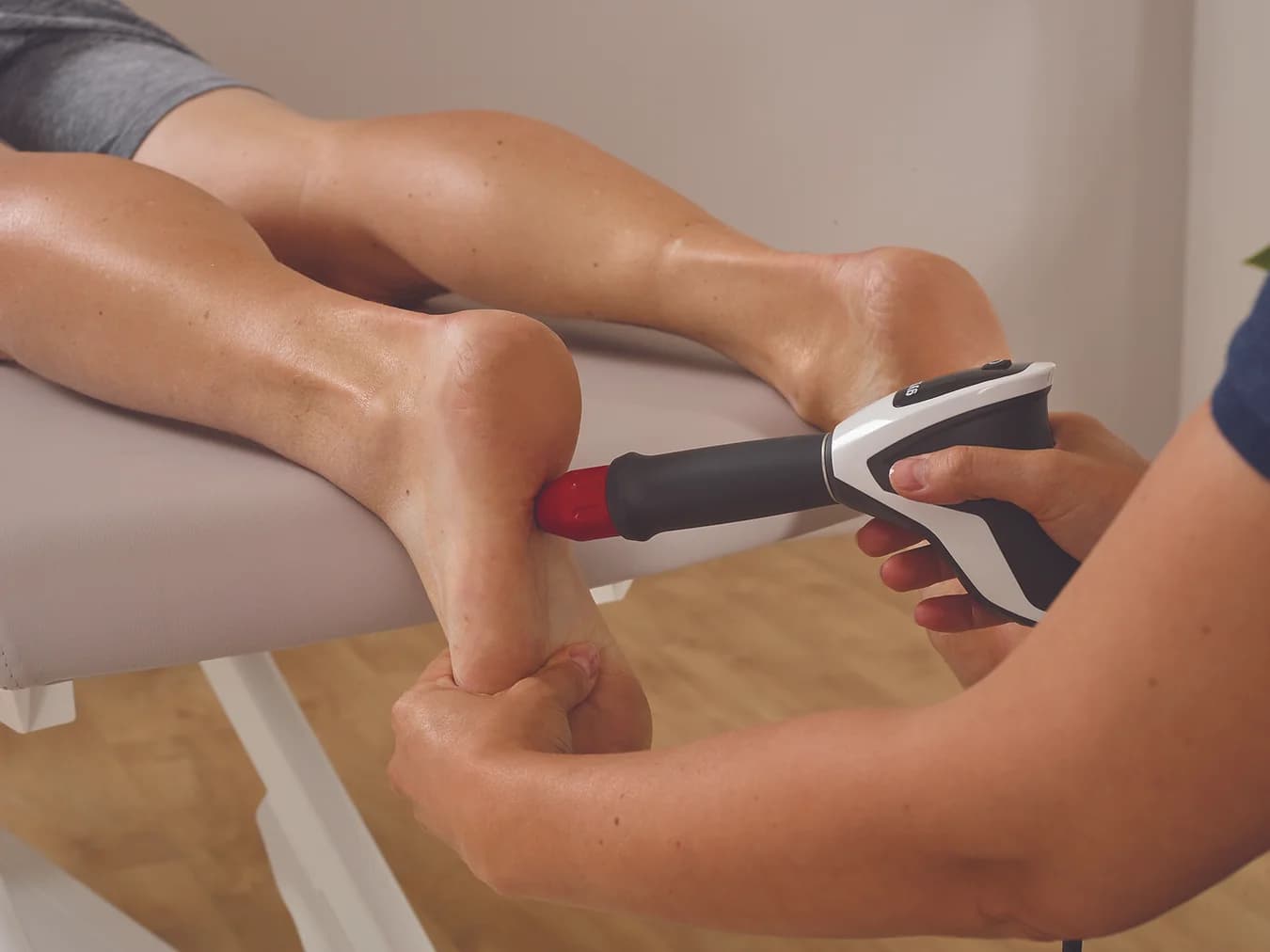
Shockwave therapy: a solution for chronic musculoskeletal conditions?
Shockwave therapy can help long-standing heel pain and Achilles tendon pain, especially alongside exercise. It isn't a cure-all, and the evidence for other conditions is weaker.
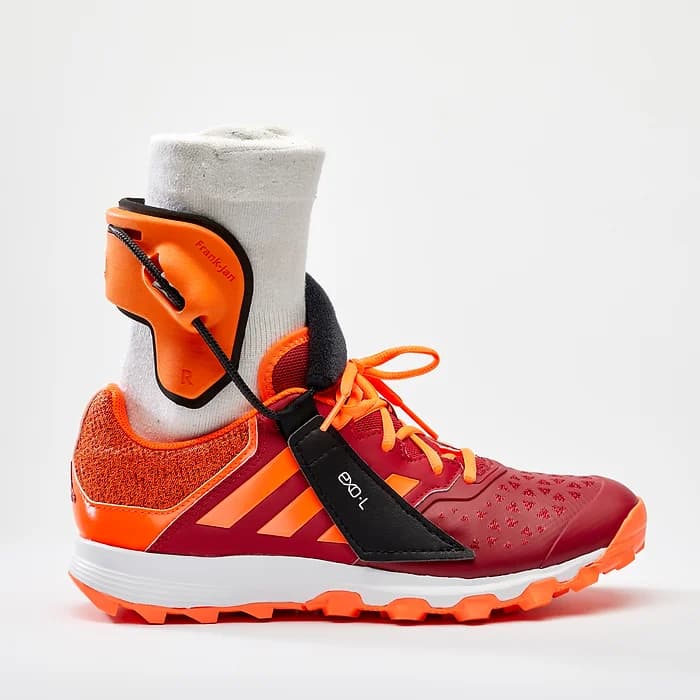
Unstable ankles? We can help
If your ankle keeps rolling or giving way, a balance and strengthening program and a good brace can cut your chance of another sprain. Here's how we treat unstable ankles.