
Our approach to our patients

At Foot Ankle Lower Limb, every patient gets a clear management plan: what's wrong, what we'll do, who's involved and what you can do. We start simple and use treatments backed by evidence.
At Foot Ankle Lower Limb, we focus on one part of the body, the feet, ankles and lower legs, and we aim to help you stay active without pain. This post explains how we work with you, from your first appointment to the end of your treatment.
What we care about
A few values shape how we look after you:
- Making a difference. We want to prevent, treat and rehabilitate lower limb problems so you can get back to the things you enjoy.
- Seeing the whole person. You're more than a sore foot. We take time to understand your health, your work, your activities and what matters to you.
- Using the evidence. We choose treatments that research shows are likely to help, and we're honest with you when the evidence is mixed.
- Knowing our limits. We focus on the lower limb. When you need care from someone else, such as your GP, a physiotherapist or a surgeon, we work with them or refer you on.
Your management plan
At the start of your care, we agree on a management plan with you. It sets out:
- how the problem is affecting your daily life
- what we found when we assessed you, and what we think is going on
- your goals, and what a good result looks like for you
- the treatment we suggest, and roughly how long it should take
- who will be involved in your care
- what you can do yourself, such as exercises or footwear changes.
Your part matters. For many lower limb problems, the exercises and changes you make between appointments make the biggest difference.
How we choose treatments
We base treatment on:
- the best current research
- what we find when we assess you
- how severe the problem is and how long you've had it
- your age, health and circumstances
- what you've already tried, and how you responded.
We usually start with simple, low-risk treatments, such as advice, exercises, footwear changes and orthoses (shoe inserts). We move on to other options only if they're needed. Where we can, we treat the cause of the problem as well as the symptoms, support your body's own recovery, and help you lower the chance of it coming back.
Who's on the team
Our team of podiatrists works with a podiatric surgeon when surgery may be an option. We also have close working relationships with other health professionals in the area, so you can be referred quickly when you need something we don't provide.
When to see us
You don't need a referral from a doctor to see a podiatrist.¹ If you have a foot, ankle or lower leg problem that's affecting your day, book an appointment and we'll start with a thorough assessment.
References
- Healthdirect Australia (2023). The role of a podiatrist. https://www.healthdirect.gov.au/podiatrist
Reviewed by Andrew Schox, Podiatrist, BSc(Hons) PGradDipPod MPod. Last reviewed October 2026.
Need Professional Podiatry Care?
Our experienced team is here to help with all your foot and ankle concerns. Book an appointment today for expert diagnosis and treatment.
Book an AppointmentRelated Articles

Introducing new nail technology at FALL
We offer two non-surgical nail options: Onyfix, a nail brace that can help ingrown or curved toenails, and Keryflex, a cosmetic nail restoration for damaged nails.

Diagnostic Ultrasound at FALL
We use a handheld ultrasound in the consulting room to look at tendons, the plantar fascia and other soft tissues while you're with us. It's painless and uses no radiation.
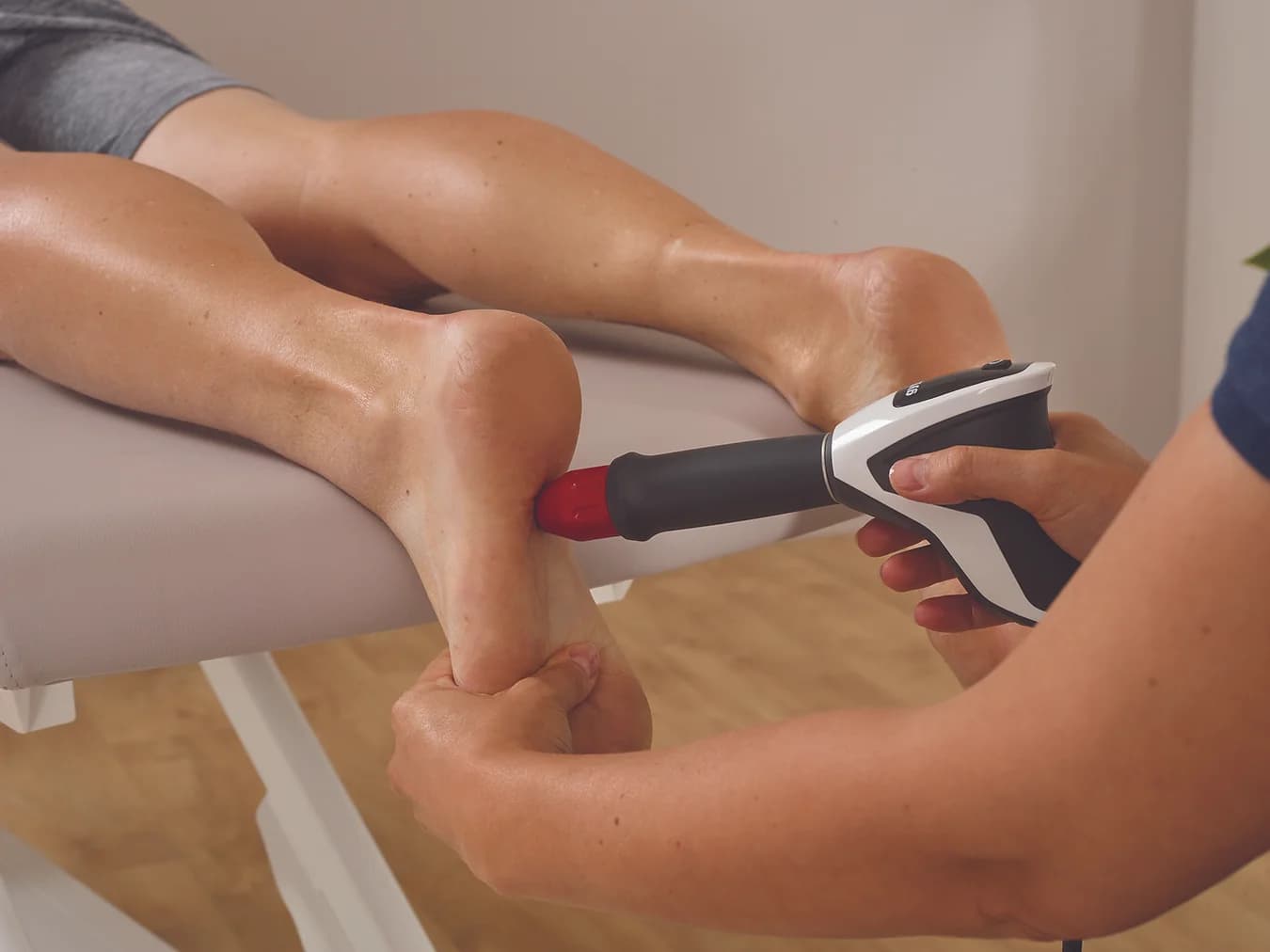
Shockwave therapy: a solution for chronic musculoskeletal conditions?
Shockwave therapy can help long-standing heel pain and Achilles tendon pain, especially alongside exercise. It isn't a cure-all, and the evidence for other conditions is weaker.