
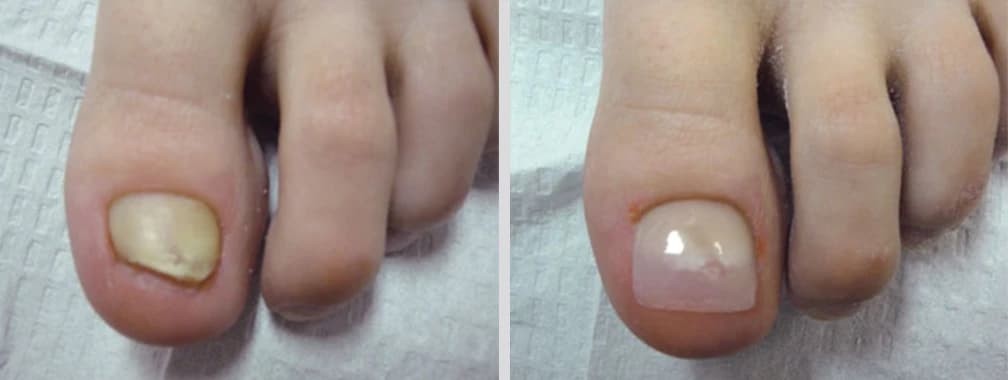
Introducing new nail technology at FALL
We offer two non-surgical nail options: Onyfix, a nail brace that can help ingrown or curved toenails, and Keryflex, a cosmetic nail restoration for damaged nails.
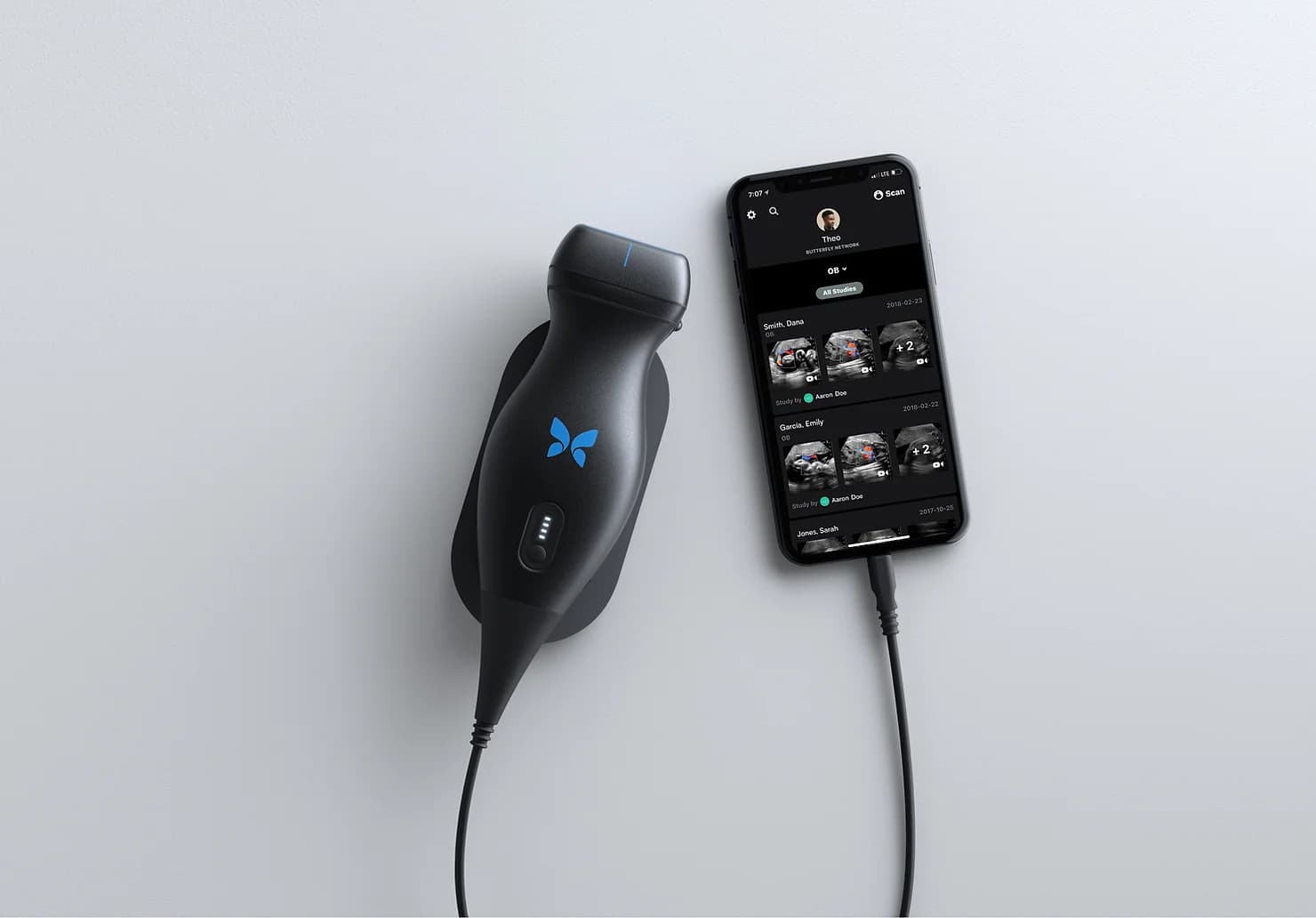
Diagnostic Ultrasound at FALL
We use a handheld ultrasound in the consulting room to look at tendons, the plantar fascia and other soft tissues while you're with us. It's painless and uses no radiation.
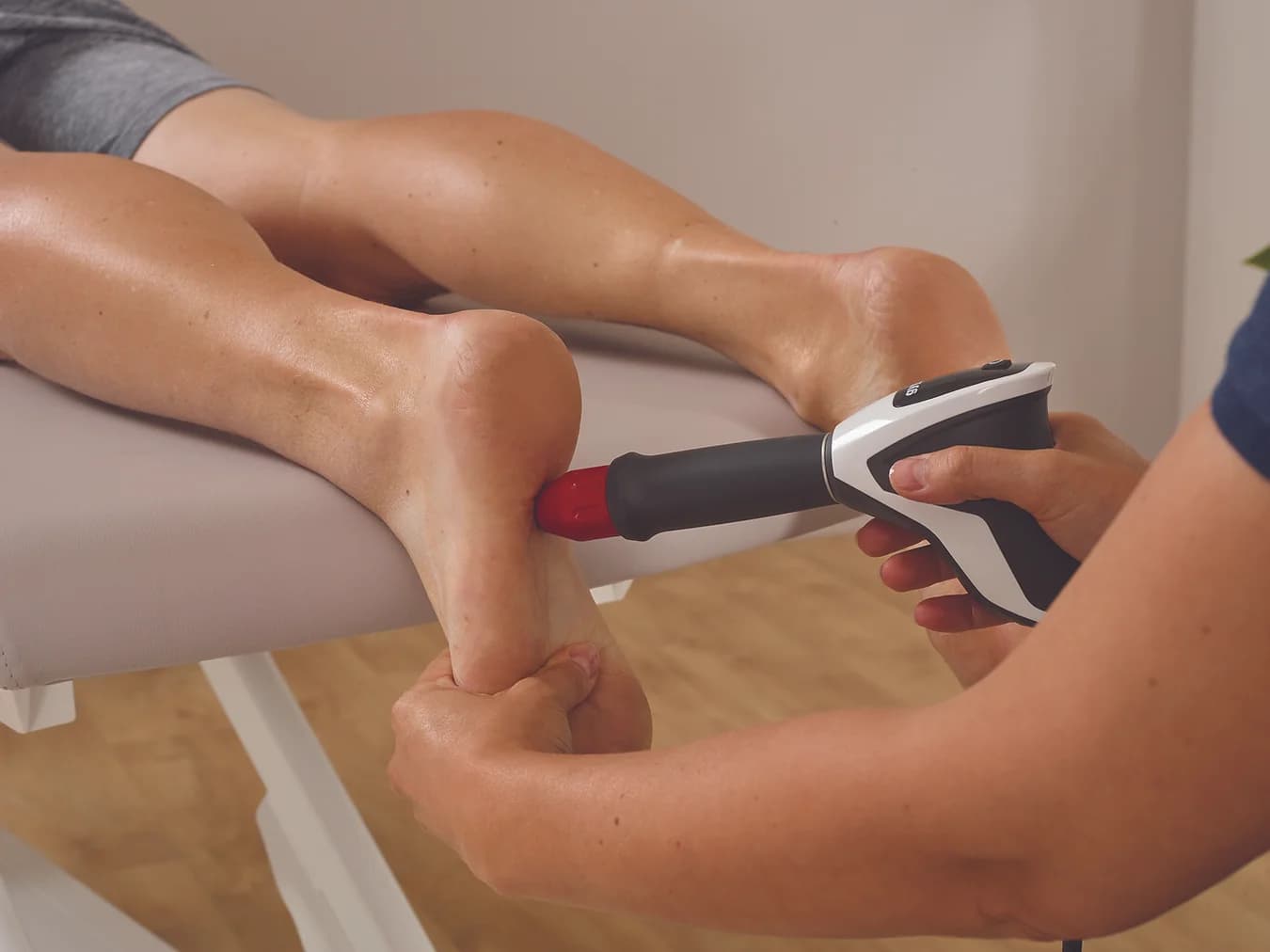
Shockwave therapy: a solution for chronic musculoskeletal conditions?
Shockwave therapy can help long-standing heel pain and Achilles tendon pain, especially alongside exercise. It isn't a cure-all, and the evidence for other conditions is weaker.
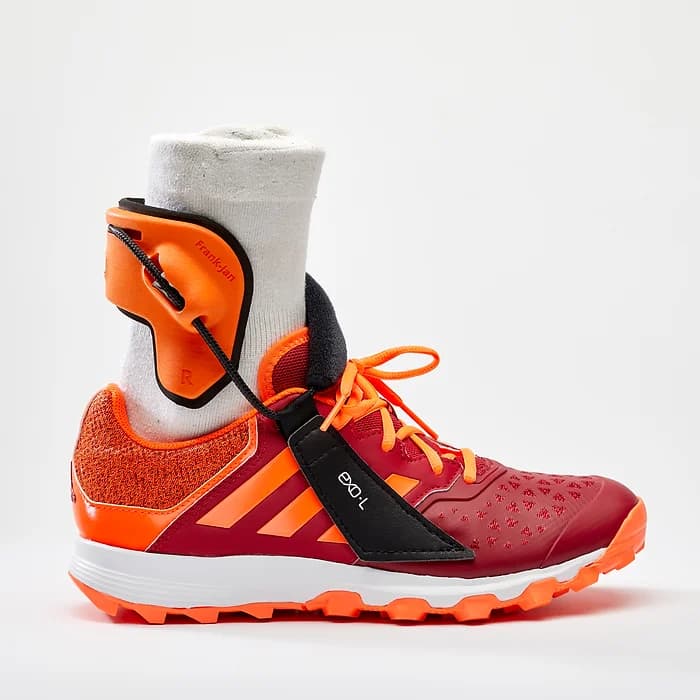
Unstable ankles? We can help
If your ankle keeps rolling or giving way, a balance and strengthening program and a good brace can cut your chance of another sprain. Here's how we treat unstable ankles.
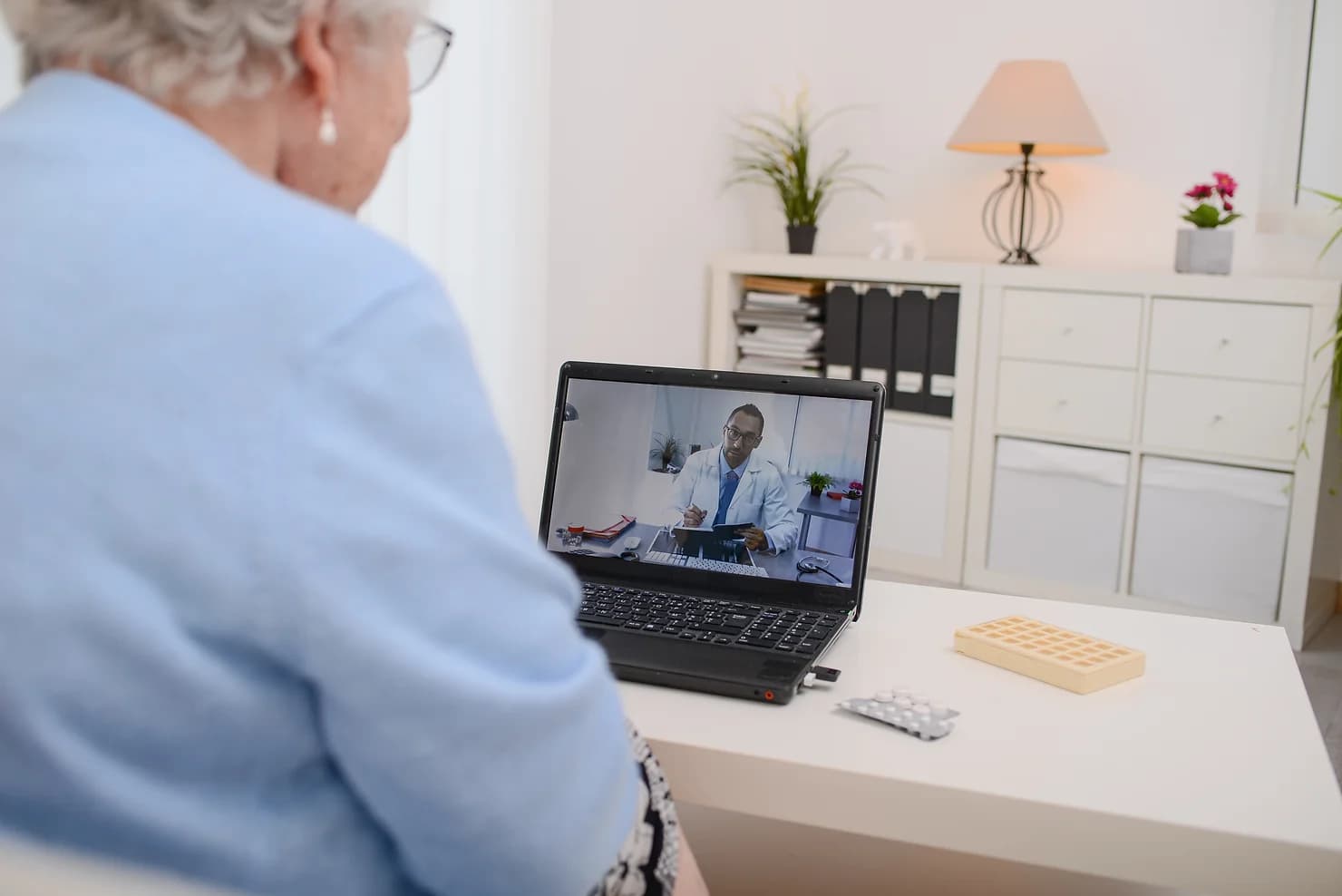
Telehealth (online consultations)
A telehealth appointment lets you talk with our podiatrists by video from home. It suits advice, exercise programs and reviews, but some problems need an in-person visit.

Our approach to our patients
At Foot Ankle Lower Limb, every patient gets a clear management plan: what's wrong, what we'll do, who's involved and what you can do. We start simple and use treatments backed by evidence.
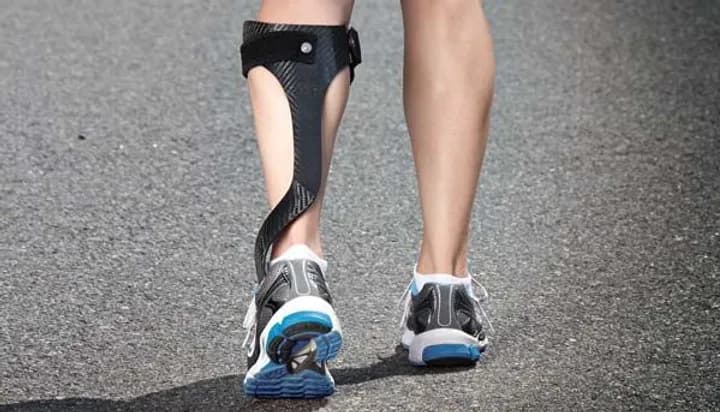
Ankle-foot orthoses (AFOs)
An ankle-foot orthosis (AFO) is a brace that supports the ankle and foot. AFOs can help people with foot drop, weak muscles or a collapsing arch walk more safely and comfortably.
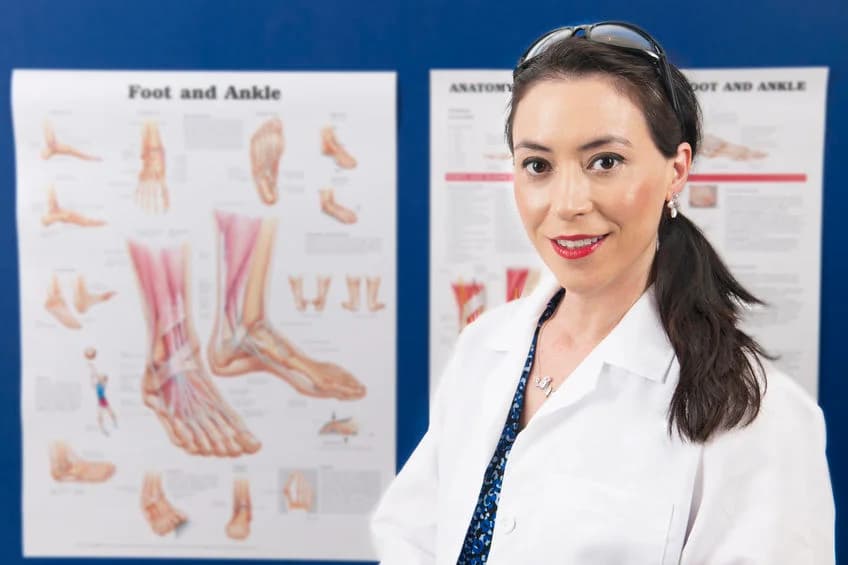
What does a podiatrist do?
Podiatrists are university-trained health professionals who diagnose and treat problems of the feet, ankles and lower legs, from ingrown toenails and heel pain to diabetes foot care.
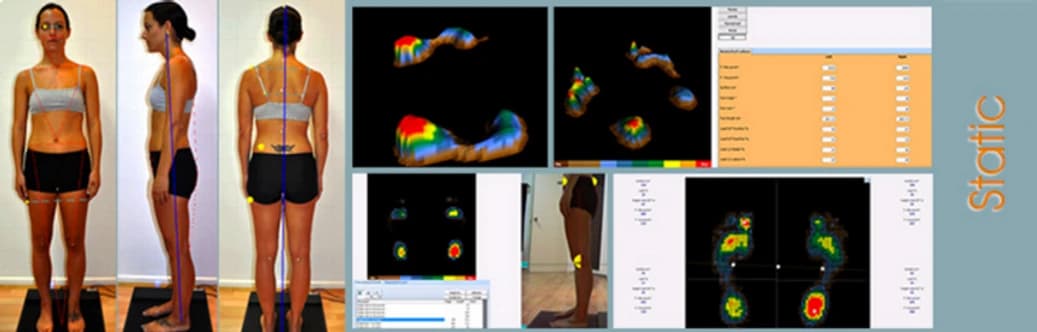
What is a gait and pressure analysis treadmill?
Our Zebris treadmill measures the pressure under your feet and records how you walk or run. It helps us assess pain, balance and footwear, and track your progress over time.
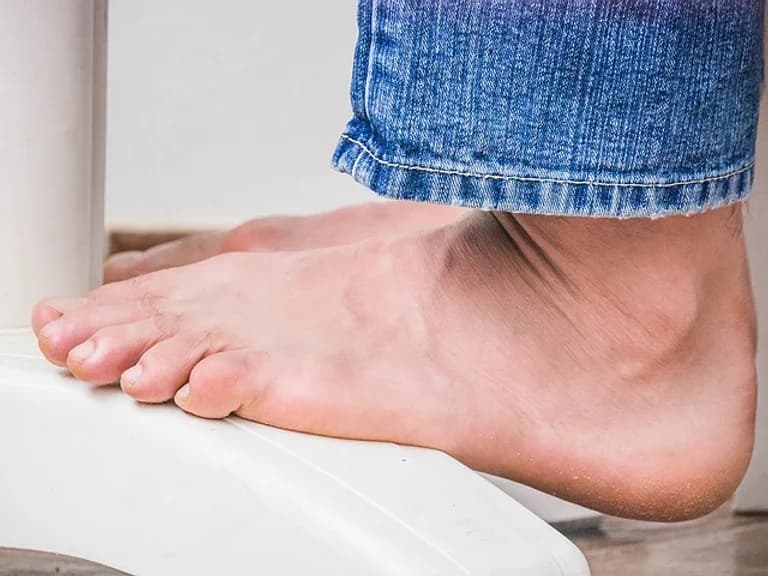
Stretching for tendinitis
Stretching isn't the main treatment for tendon pain. Gradually strengthening the tendon works best, and some stretches can make pain near the heel worse.
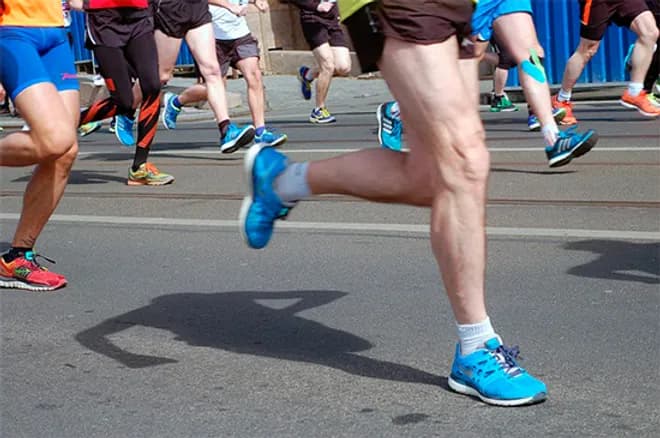
What to do if you've suffered a sporting injury
Protect the injury for the first few days, then start moving it gently and build up with exercise. See a doctor urgently if you can't bear weight or the limb looks misshapen.
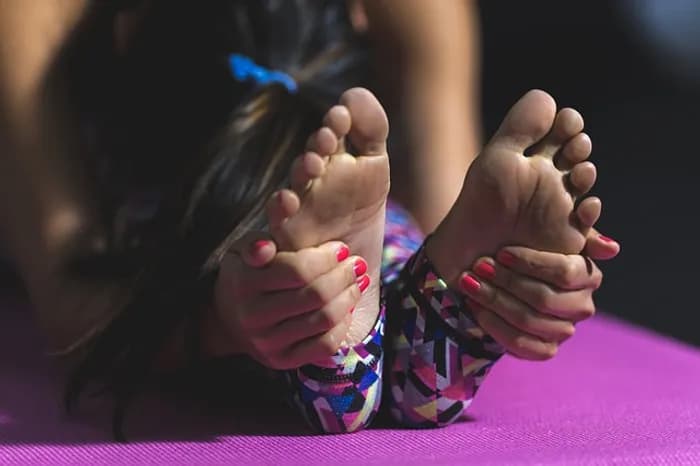
Why isn't my injury getting better?
An injury that won't heal often has a cause that hasn't been dealt with, such as the wrong diagnosis, too much or too little activity, poor sleep, diet or alcohol.