
What to do if you've suffered a sporting injury
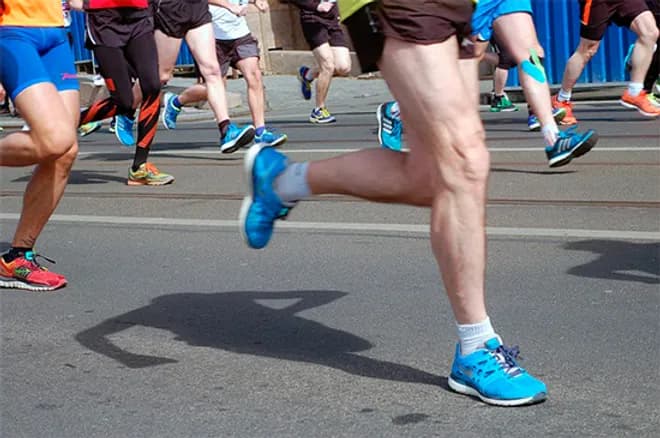
Protect the injury for the first few days, then start moving it gently and build up with exercise. See a doctor urgently if you can't bear weight or the limb looks misshapen.
Sports injuries can happen in any activity, from a weekend parkrun to netball, footy or yoga. Some happen suddenly, like a rolled ankle. Others build up slowly from doing too much, too soon. Here's what to do in the first few days, how to get back to sport safely, and how to lower your chance of it happening again.
What causes sports injuries?
Most sports injuries come from overuse, a direct knock, or a force greater than the body part can handle.¹ Common contributors include skipping your warm-up, poor technique, footwear or equipment that isn't right for the sport, and pushing beyond your current fitness.¹
In the foot and lower leg, sudden injuries include ankle sprains and bruised or broken bones. Overuse injuries include heel pain, Achilles and other tendon pain, shin pain and stress fractures.
Is it serious?
Some injuries need a doctor straight away. Go to an emergency department or call an ambulance if:²
- the injured leg or foot has an unusual shape or colour
- you have severe pain
- the area is bleeding heavily
- you can see bone through the skin.
Call triple zero (000) if the injury came from a major accident, or there may be a head, neck or back injury.² See a doctor if you think something might be broken or dislocated, or if the pain is severe.³ Signs of a break include pain, swelling, bruising, an odd shape and difficulty moving the limb.²
What should I do in the first few days?
For a sprain or strain, the familiar first-aid steps are RICE:³
- Rest the injured area. Use crutches if you can't walk on it comfortably.
- Ice it for 20 minutes at a time, several times a day. Wrap the ice in a cloth and never put it directly on your skin.
- Compress it with a firm bandage to help control swelling.
- Elevate it above the level of your heart when you can.
For the first 2–3 days, also avoid HARM: heat, alcohol, running (or other activity that stops the injury healing) and massage, which can make swelling worse.³ If you need pain relief, ask your pharmacist or GP what suits you.
How do I get back to sport?
Rest is for the first few days, not weeks. Once the injury starts to heal, begin exercises that strengthen the injured area.³ A physiotherapist can help with this,³ and so can our podiatrists. This matters: after an ankle sprain, an exercise-based rehab program lowers the chance of spraining the same ankle again by about 40%.⁴
Build back up slowly. A sudden jump in how much or how hard you train is a common way to get injured in the first place.¹,³ See a doctor if you're not improving within a week.³
How can I prevent sports injuries?
- Warm up before training and games. Warm-up programs reduce sports injuries in children and teenagers,⁵ and they're a sensible habit at any age.
- Increase training gradually, in both distance and intensity.¹
- Wear the right shoes and safety gear for your sport.¹
- Work on technique, especially if you're new to a sport or coming back after a break.¹
How can a podiatrist help?
At Foot Ankle Lower Limb, we look at the whole picture. We take a full history and examine the injured area. Where it helps, we watch you walk or run on a treadmill using pressure sensors and slow-motion video to see how your feet and legs are moving.
Treatment depends on the injury, but it usually centres on a graded exercise program. It may also include footwear advice, taping, orthoses (shoe inserts) and, for some conditions, add-on treatments such as laser therapy. We'll also help you plan a safe return to sport and lower your risk of the injury coming back.
When to see a podiatrist
See us if foot, ankle or leg pain from sport isn't settling after a week or so, keeps coming back, or stops you training. Get checked sooner if you have diabetes, poor circulation or reduced feeling in your feet, as injuries can be more serious. If your child has ongoing foot or heel pain with sport, it's worth an assessment too.
If a sports injury is holding you back, book an appointment with our podiatrists in Booragoon.
References
- Better Health Channel (2015). Sports injuries. Victorian Department of Health. https://www.betterhealth.vic.gov.au/health/healthyliving/sports-injuries
- Healthdirect Australia (2024). Fractures. https://www.healthdirect.gov.au/fractures
- Healthdirect Australia (2024). Sprains and strains. https://www.healthdirect.gov.au/sprains-and-strains
- Wagemans J, Bleakley C, Taeymans J, et al. (2022). Exercise-based rehabilitation reduces reinjury following acute lateral ankle sprain: a systematic review update with meta-analysis. PLoS One, 17(2), e0262023. https://doi.org/10.1371/journal.pone.0262023
- Ding L, Luo J, Smith DM, et al. (2022). Effectiveness of warm-up intervention programs to prevent sports injuries among children and adolescents: a systematic review and meta-analysis. International Journal of Environmental Research and Public Health, 19(10), 6336. https://doi.org/10.3390/ijerph19106336
Reviewed by Andrew Schox, Podiatrist, BSc(Hons) PGradDipPod MPod. Last reviewed October 2026.
Need Professional Podiatry Care?
Our experienced team is here to help with all your foot and ankle concerns. Book an appointment today for expert diagnosis and treatment.
Book an AppointmentRelated Articles
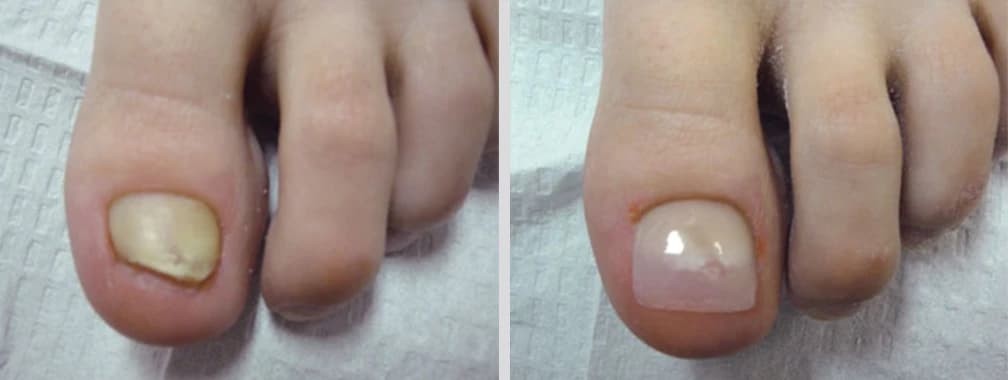
Introducing new nail technology at FALL
We offer two non-surgical nail options: Onyfix, a nail brace that can help ingrown or curved toenails, and Keryflex, a cosmetic nail restoration for damaged nails.
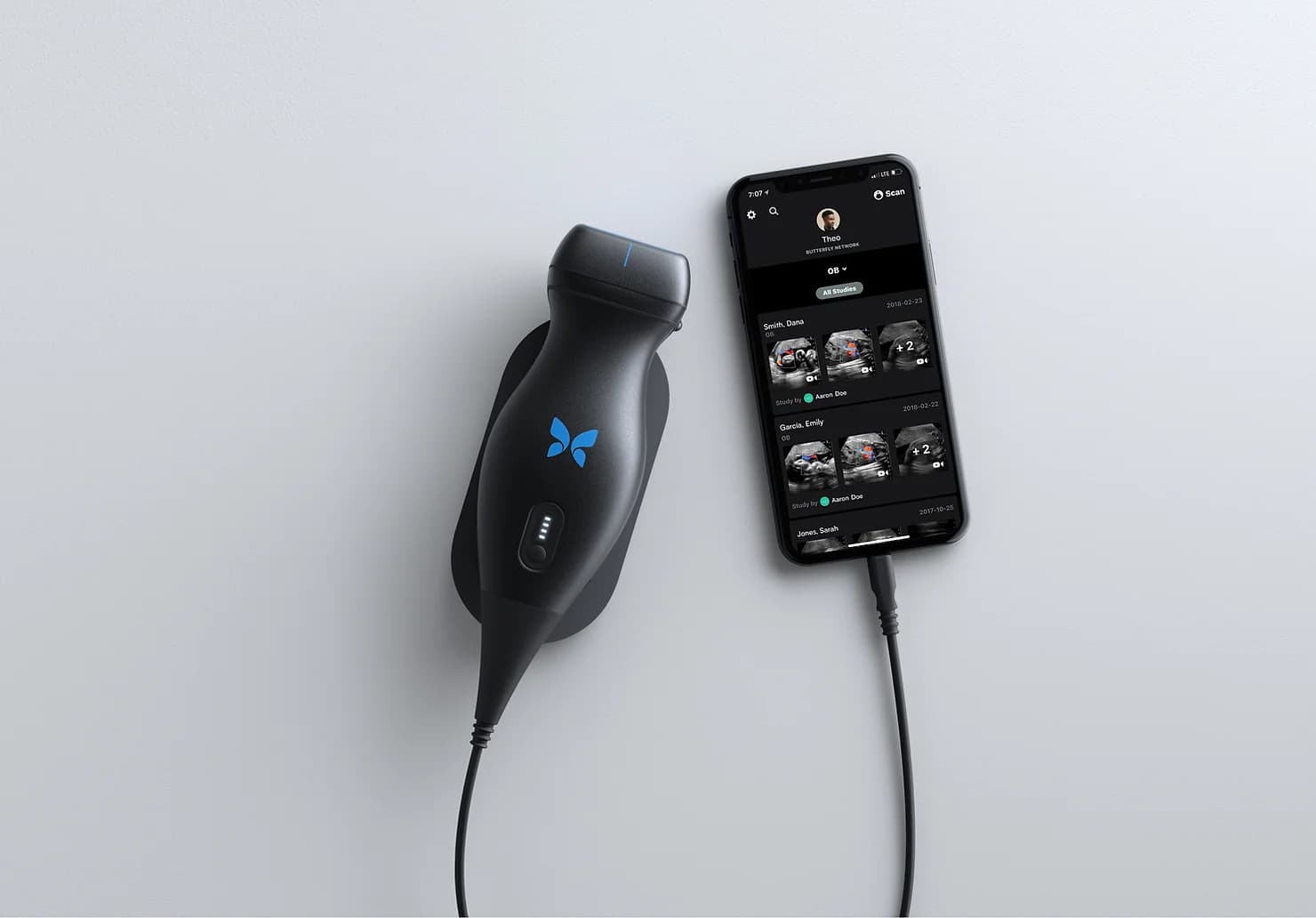
Diagnostic Ultrasound at FALL
We use a handheld ultrasound in the consulting room to look at tendons, the plantar fascia and other soft tissues while you're with us. It's painless and uses no radiation.
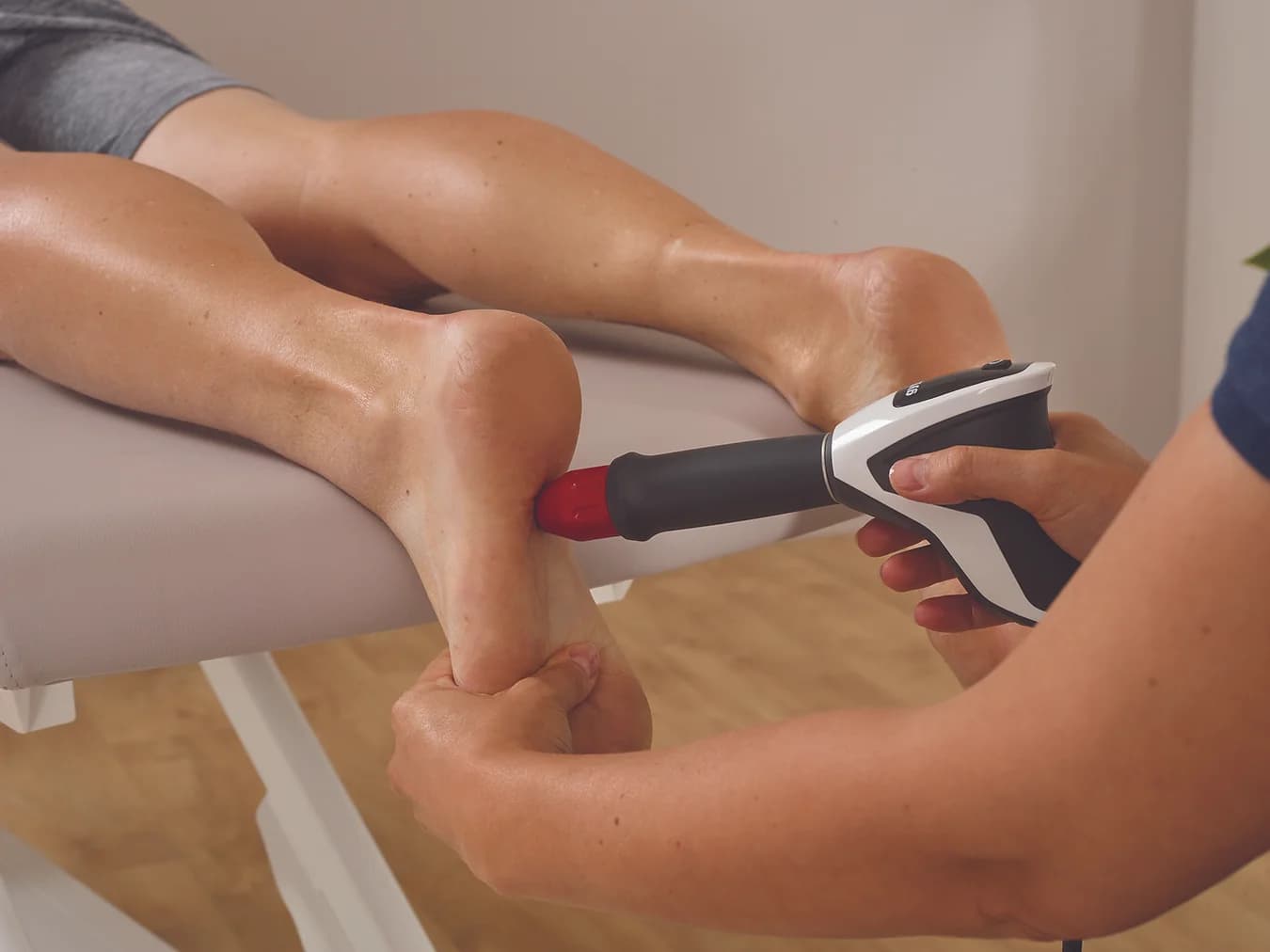
Shockwave therapy: a solution for chronic musculoskeletal conditions?
Shockwave therapy can help long-standing heel pain and Achilles tendon pain, especially alongside exercise. It isn't a cure-all, and the evidence for other conditions is weaker.