
What does a podiatrist do?

Podiatrists are university-trained health professionals who diagnose and treat problems of the feet, ankles and lower legs, from ingrown toenails and heel pain to diabetes foot care.
Podiatrists are allied health professionals who are trained in the health of the feet and lower limbs.¹ They diagnose, treat and help prevent problems of the feet, ankles and lower legs. You don't need a referral from a doctor to see one.¹ Here's what a podiatrist can help with, and what to expect.
How are podiatrists trained?
Podiatrists in Australia complete a university degree in podiatry, studying the anatomy and function of the foot and leg along with medical sciences. To practise, they must be registered with the Podiatry Board of Australia.
Some podiatrists go on to years of further surgical training and gain specialist registration. Their official title is surgical podiatrist, though you'll often hear the term podiatric surgeon.² They perform surgery on the foot and ankle.
What can a podiatrist help with?
Nails
Podiatrists look after toenails that are hard to manage at home, such as thick, curved or brittle nails. They treat ingrown toenails, either conservatively or with minor nail surgery under local anaesthetic. They also assess and manage fungal nail infections.
Skin
Podiatrists treat skin problems and warts on the feet,¹ including corns and calluses, cracked heels and fungal skin infections such as athlete's foot. They can check lumps, bumps and skin changes on your feet and refer you on if something needs further investigation.
Pain and injuries
Podiatrists assess and treat pain and injuries of the foot, ankle and lower leg, such as heel and arch pain and sprains,¹ as well as tendon pain and shin pain. They examine how your feet and legs move, and they can refer you for imaging such as x-ray or ultrasound when needed. Treatment may include exercise and rehabilitation programs, strapping and taping, joint mobilisation, dry needling, and footwear changes.
Footwear advice
A podiatrist can check whether your shoes fit and suit the activities you do,¹ whether that's walking, work, sport or everyday wear around the house. Bring the shoes you usually wear to your first visit.
Orthoses
Orthoses (or orthotics) are inserts for your shoes, which can be custom-made for your feet.¹ Podiatrists assess whether you need them, prescribe them, and fit and adjust them. Many clinics use digital scanning to capture the shape of your foot.
Diabetes foot care
Diabetes can affect the nerves and blood supply in the feet, which raises the risk of serious foot problems. Everyone with diabetes should have their feet checked by a health professional at least once a year, and more often if their feet are at higher risk.³ A podiatrist checks the nerves, blood supply and general health of your feet,³ and teaches you how to look after them.
Toes, joints and arthritis
Podiatrists treat foot problems caused by arthritis,¹ and manage bunions, hammer toes and claw toes. Most of these can be helped without surgery, using footwear, padding, orthoses and exercises. If surgery is needed, a podiatrist can refer you to a surgical podiatrist or an orthopaedic surgeon.
Balance and falls
Podiatrists can help with balance problems, and it's a good idea to see one if you've been tripping or falling.¹
Does Medicare cover podiatry?
If you have a chronic (long-term) medical condition, your GP may be able to prepare a GP chronic condition management plan. This replaced the older GP management plans in July 2025.⁴ With a plan and a referral, Medicare can help cover the cost of some podiatry visits.¹,⁴ Many private health insurance extras policies also cover podiatry. Check your policy for details.
When to see a podiatrist
See a podiatrist if foot, ankle or leg pain is stopping you from doing what you want to do, if you have a nail or skin problem that isn't getting better, or if you have diabetes and need a foot check. Don't wait if you have diabetes and notice a cut, blister, ulcer, redness or swelling on your foot. See your GP or podiatrist promptly.
Our podiatrists at Foot Ankle Lower Limb help with all of the problems above. To get started, book an appointment.
References
- Healthdirect Australia (2023). The role of a podiatrist. https://www.healthdirect.gov.au/podiatrist
- Podiatry Board of Australia (2026). Specialist registration. https://www.podiatryboard.gov.au/registration-endorsement/specialist-registration.aspx
- National Diabetes Services Scheme (2026). Foot health and diabetes. https://www.ndss.com.au/managing-diabetes/diabetes-related-complications/feet/
- Royal Australian College of General Practitioners (2025). Full details of incoming CDM changes revealed (newsGP). https://www1.racgp.org.au/newsgp/professional/full-details-of-incoming-cdm-changes-revealed
Reviewed by Andrew Schox, Podiatrist, BSc(Hons) PGradDipPod MPod. Last reviewed October 2026.
Need Professional Podiatry Care?
Our experienced team is here to help with all your foot and ankle concerns. Book an appointment today for expert diagnosis and treatment.
Book an AppointmentRelated Articles

Introducing new nail technology at FALL
We offer two non-surgical nail options: Onyfix, a nail brace that can help ingrown or curved toenails, and Keryflex, a cosmetic nail restoration for damaged nails.

Diagnostic Ultrasound at FALL
We use a handheld ultrasound in the consulting room to look at tendons, the plantar fascia and other soft tissues while you're with us. It's painless and uses no radiation.
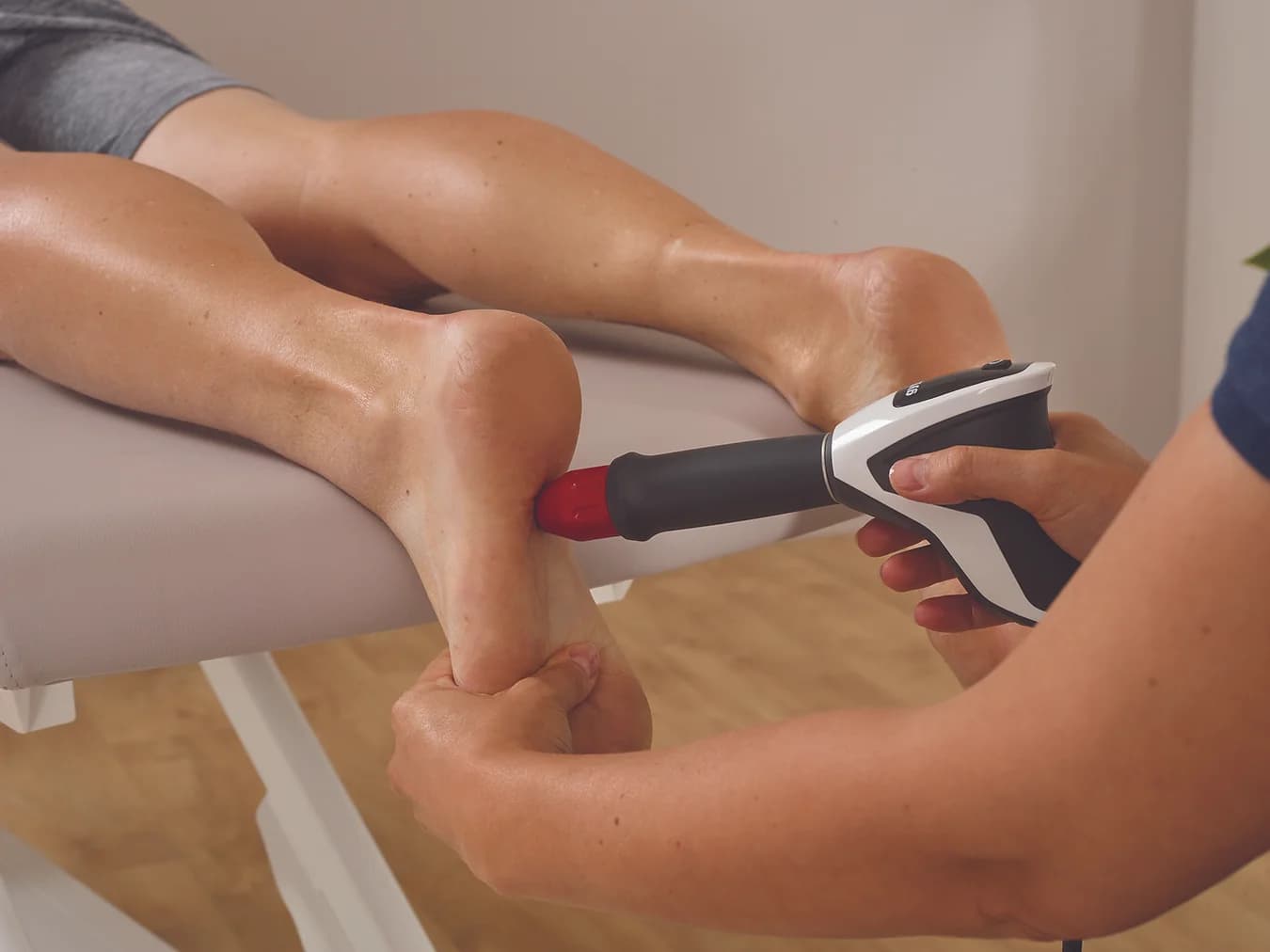
Shockwave therapy: a solution for chronic musculoskeletal conditions?
Shockwave therapy can help long-standing heel pain and Achilles tendon pain, especially alongside exercise. It isn't a cure-all, and the evidence for other conditions is weaker.