
Ankle-foot orthoses (AFOs)
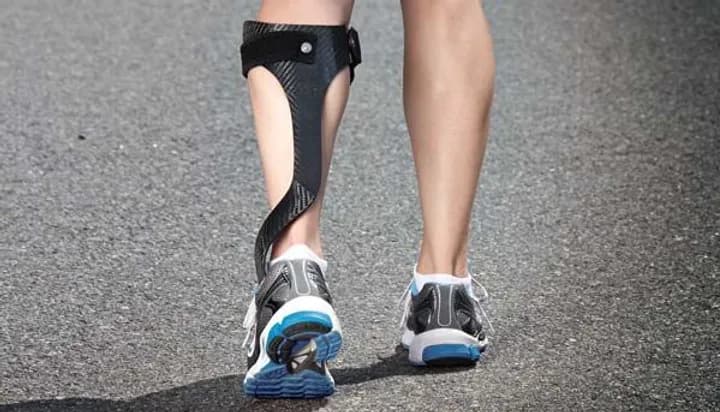
An ankle-foot orthosis (AFO) is a brace that supports the ankle and foot. AFOs can help people with foot drop, weak muscles or a collapsing arch walk more safely and comfortably.
An ankle-foot orthosis (AFO) is a brace that supports the foot and ankle. Most are made of lightweight plastic. They sit under the foot, run up the back or sides of the lower leg, and are held on with straps. AFOs are used when weak muscles, nerve problems or damaged tendons make it hard to control the foot and ankle when you walk.
Who are AFOs for?
AFOs are often used for foot drop, where it's difficult to lift the front of your foot and toes. Foot drop can be caused by a nerve injury, nerve damage from diabetes, or a condition affecting the brain or spinal cord, such as stroke, multiple sclerosis or cerebral palsy.¹ A brace or splint that holds the foot in position is one of the treatments.¹
AFOs are also used to support a painful, collapsing arch caused by a problem with the tibialis posterior tendon (adult-acquired flatfoot).²,³
How does it work?
An AFO holds the foot and ankle in a better position. For foot drop, it stops the toes catching on the ground as you swing your leg forward. It can also make the foot and ankle more stable when your foot is on the ground. For a collapsing arch, it supports the foot and takes load off the damaged tendon.
Types of AFO
Solid AFOs
A solid AFO is a single L-shaped piece that holds the ankle still. It's often used when muscles are very weak or tight, for example after a stroke or a spinal cord injury, or for children with cerebral palsy. It can hold a limb in a good position or support muscles that aren't working properly.
Hinged (articulated) AFOs
A hinged AFO has a joint at the ankle, usually made of metal or a composite material, that links the foot and leg sections. This lets the ankle bend more freely while still controlling unwanted movement. It can make everyday tasks such as climbing stairs or getting up from a chair easier.
Richie Brace
The Richie Brace is a custom-made ankle brace. It combines a foot orthosis (shoe insert) moulded to your foot with hinged uprights on each side of the ankle. It's lighter and lower-profile than many AFOs, so it suits active people. It's used for adult-acquired flatfoot, foot drop, ankle instability and tendon problems.
Does it work?
AFOs can help, but how much depends on the reason you need one.
- After a stroke: an AFO can improve walking and balance straight away.⁴ We know less about the long-term effects.⁴
- Cerebral palsy: children who use AFOs take longer steps and lift their feet better when walking.⁵
- Adult-acquired flatfoot: most people improve without surgery, and bracing is linked with better results.²,³
An AFO supports weak muscles, but it doesn't cure the underlying problem. It usually works best alongside exercises and other care.
Footwear
You need the right shoes to fit an AFO. Look for shoes with an adjustable strap or laces, a deep, firm heel cup, a stable base and enough room inside for the brace. Sometimes you'll need a shoe one size bigger or extra wide.
What to expect at FALL
Your podiatrist will assess your feet, legs and walking and talk with you about whether an AFO is likely to help. If it is, we'll recommend the right type, take a scan or cast of your foot for a custom brace, and fit and adjust it when it's ready. We'll also check how it's working at follow-up visits.
If you're having trouble with foot drop, weak ankles or a collapsing arch, book an appointment with our podiatrists.
References
- NHS (2025). Foot drop. https://www.nhs.uk/conditions/foot-drop/
- Miniaci-Coxhead SL, Flemister AS Jr. (2014). Office-based management of adult-acquired flatfoot deformity. Medical Clinics of North America, 98(2), 291–299. https://doi.org/10.1016/j.mcna.2013.10.006
- Nielsen MD, Dodson EE, Shadrick DL, et al. (2011). Nonoperative care for the treatment of adult-acquired flatfoot deformity. Journal of Foot and Ankle Surgery, 50(3), 311–314. https://doi.org/10.1053/j.jfas.2011.02.002
- Tyson SF, Kent RM. (2013). Effects of an ankle-foot orthosis on balance and walking after stroke: a systematic review and pooled meta-analysis. Archives of Physical Medicine and Rehabilitation, 94(7), 1377–1385. https://doi.org/10.1016/j.apmr.2012.12.025
- Betancourt JP, Eleeh P, Stark S, Jain NB. (2019). Impact of ankle-foot orthosis on gait efficiency in ambulatory children with cerebral palsy: a systematic review and meta-analysis. American Journal of Physical Medicine & Rehabilitation, 98(9), 759–770. https://doi.org/10.1097/PHM.0000000000001185
Reviewed by Andrew Schox, Podiatrist, BSc(Hons) PGradDipPod MPod. Last reviewed October 2026.
Need Professional Podiatry Care?
Our experienced team is here to help with all your foot and ankle concerns. Book an appointment today for expert diagnosis and treatment.
Book an AppointmentRelated Articles
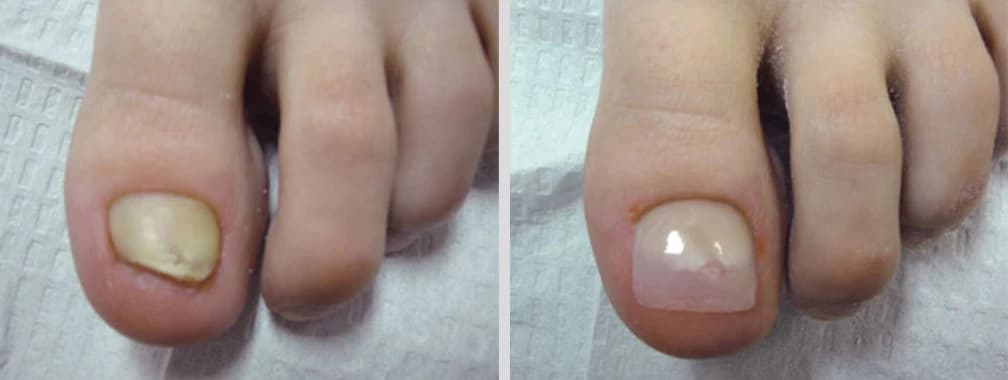
Introducing new nail technology at FALL
We offer two non-surgical nail options: Onyfix, a nail brace that can help ingrown or curved toenails, and Keryflex, a cosmetic nail restoration for damaged nails.
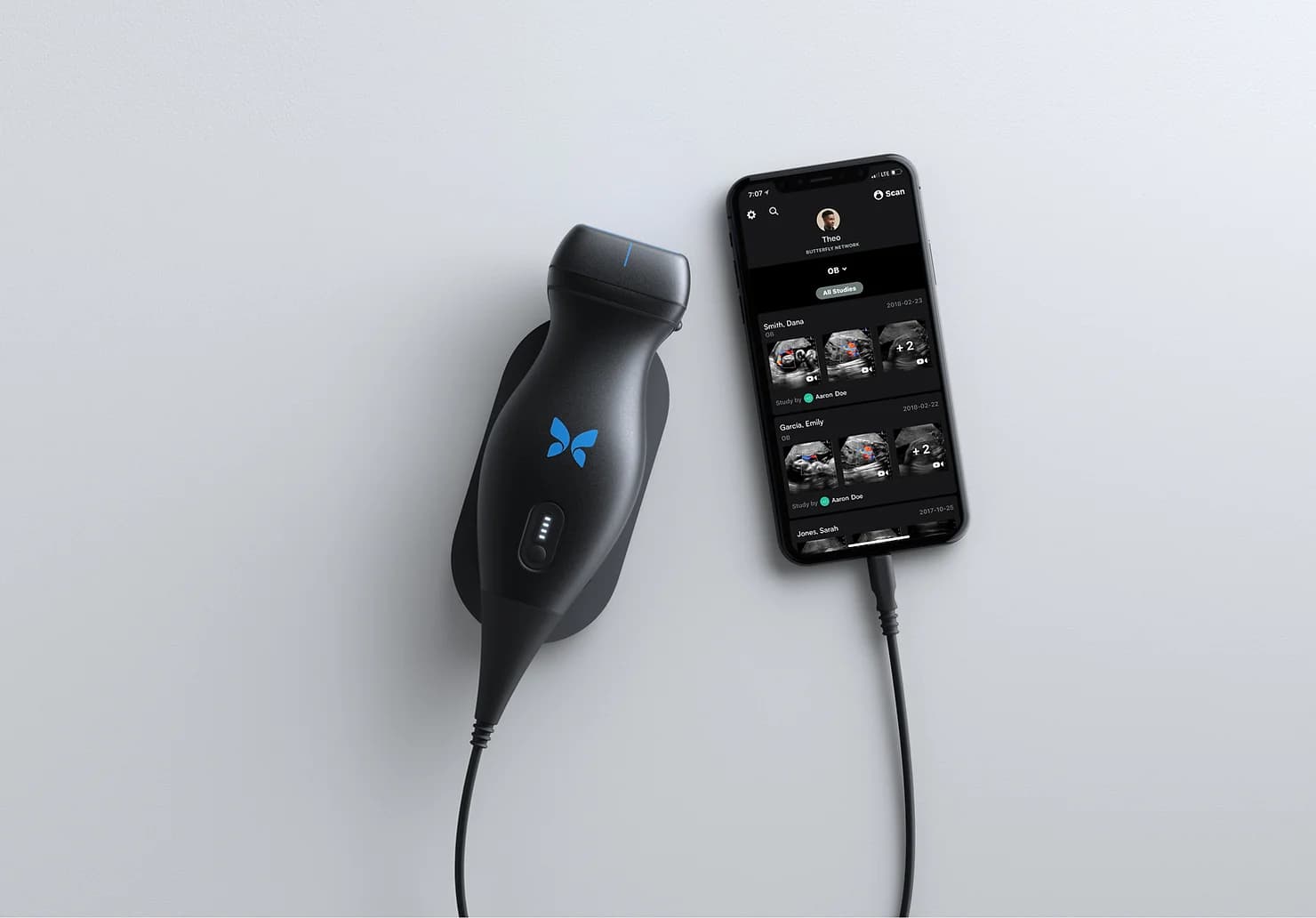
Diagnostic Ultrasound at FALL
We use a handheld ultrasound in the consulting room to look at tendons, the plantar fascia and other soft tissues while you're with us. It's painless and uses no radiation.
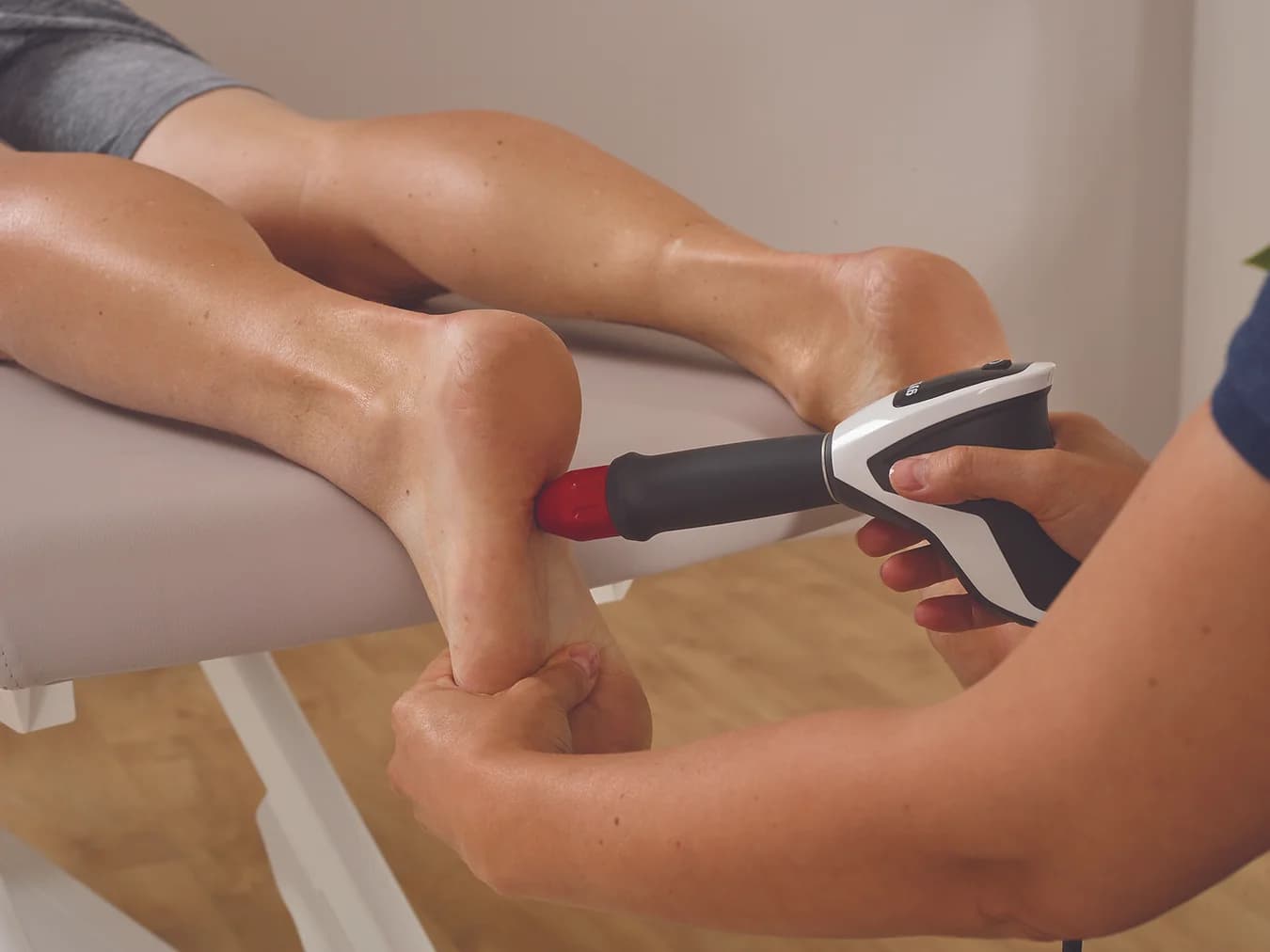
Shockwave therapy: a solution for chronic musculoskeletal conditions?
Shockwave therapy can help long-standing heel pain and Achilles tendon pain, especially alongside exercise. It isn't a cure-all, and the evidence for other conditions is weaker.