
Shockwave therapy: a solution for chronic musculoskeletal conditions?
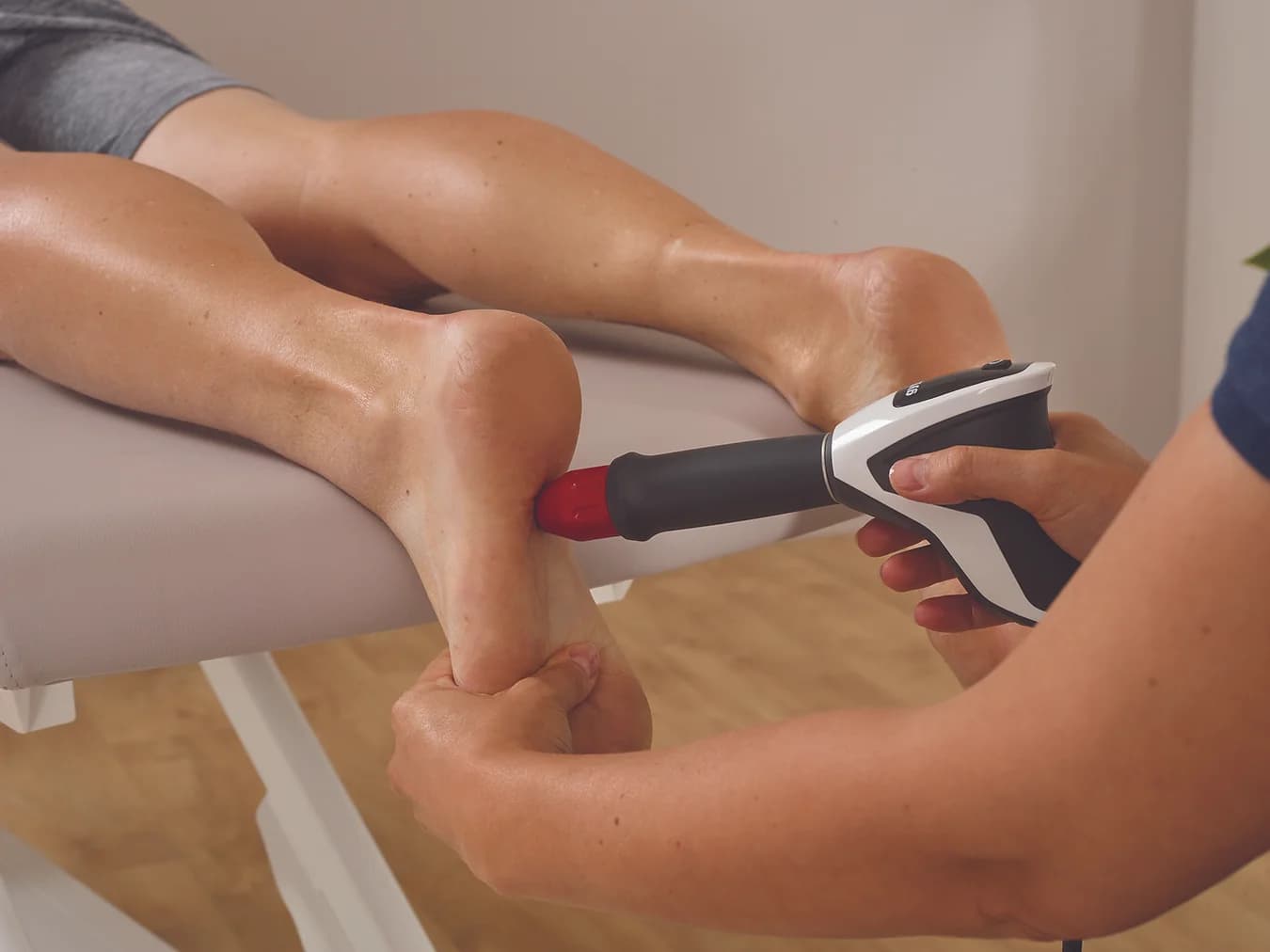
Shockwave therapy can help long-standing heel pain and Achilles tendon pain, especially alongside exercise. It isn't a cure-all, and the evidence for other conditions is weaker.
Shockwave therapy, also called extracorporeal shockwave therapy (ESWT), is a non-surgical treatment that sends strong pressure waves through the skin into a painful area.¹ It's mainly used for long-standing tendon and heel pain that hasn't settled with other treatment. At Foot Ankle Lower Limb we use radial shockwave, usually as one part of a wider rehabilitation plan.
How does it work?
A hand-held applicator is placed on the skin over the sore area, with some gel to help the waves pass through. Inside the device, compressed air drives a small projectile that creates the pressure wave. It's noisy, and it feels like a strong tapping or vibration.¹
Exactly how shockwave eases pain isn't fully understood. The usual explanation is that it sets off a short-term inflammatory response and increases blood flow and activity in the treated tissue, which encourages the body's own healing. It may also reduce pain signals for a while.¹ Think of this as the best current explanation rather than settled fact.
What can it help with?
Shockwave is mostly used for long-standing (chronic) problems, usually those that have lasted at least three months and haven't improved with exercise and other care.¹ In the foot and lower leg, the main ones are:
- plantar heel pain (plantar fasciitis)
- Achilles tendon pain, especially in the middle part of the tendon
- other long-standing tendon problems.
You may see shockwave advertised for shin splints, stress fractures, arthritis or Morton's neuroma. There's much less research for these, so we don't usually recommend it as a first choice for them.
Does it work?
It can help some conditions, especially as an add-on to exercise, but it isn't a cure-all.
- Heel pain (plantar fasciitis): shockwave is among the treatments most likely to ease pain.² However, no single heel pain treatment has been clearly shown to be better than the others,² and simple care such as stretching, footwear changes and orthoses (shoe inserts) is still where to start.
- Pain in the middle of the Achilles tendon: shockwave added to a tendon-strengthening program helps more than the program alone.³ Exercise remains the main treatment.
- Pain where the Achilles attaches to the heel: shockwave doesn't seem to add much to standard care.³
Some people notice a little relief soon after treatment, but the full effect usually takes up to about three months.¹
Is it safe?
Shockwave is low-risk, but it isn't for everyone.¹ Treatment can be uncomfortable, and we adjust the strength so you can tolerate it. Afterwards you may have some aching, bruising, redness, swelling or numbness, which usually settles within a week. There's a small risk of damage to a tendon or the plantar fascia.¹
We don't use shockwave:¹
- during pregnancy
- over an infection, an open wound or a cancer
- if you have a pacemaker
- if you've had a steroid injection in the area in the past three months
- over growing bones in children and teenagers
- if you take some blood-thinning medicines.
Tell us about your health and medicines before treatment, and we'll check whether shockwave is suitable.
What to expect at FALL
Your podiatrist will assess you first and tell you honestly whether shockwave is likely to help. If it is, it will usually be combined with exercises, footwear advice or orthoses.
A typical course is 3–5 sessions, a week or two apart, and each session takes about 5–15 minutes. You can go back to normal activities straight afterwards. Your podiatrist may ask you to avoid anti-inflammatory medicines, such as ibuprofen, around the time of treatment.¹
To find out whether shockwave could help your heel or tendon pain, book an appointment.
References
- Calderdale and Huddersfield NHS Foundation Trust (n.d., review due 2028). Extracorporeal shockwave therapy: a guide for patients (leaflet csph0161 v3). https://plr.cht.nhs.uk/download/1223/Extracorporeal%20shockwave%20Therapy%20A4
- Babatunde OO, Legha A, Littlewood C, et al. (2019). Comparative effectiveness of treatment options for plantar heel pain: a systematic review with network meta-analysis. British Journal of Sports Medicine, 53(3), 182–194. https://doi.org/10.1136/bjsports-2017-098998
- Paantjens MA, Helmhout PH, Backx FJG, et al. (2022). Extracorporeal shockwave therapy for mid-portion and insertional Achilles tendinopathy: a systematic review of randomized controlled trials. Sports Medicine – Open, 8, 68. https://doi.org/10.1186/s40798-022-00456-5
Reviewed by Andrew Schox, Podiatrist, BSc(Hons) PGradDipPod MPod. Last reviewed October 2026.
Need Professional Podiatry Care?
Our experienced team is here to help with all your foot and ankle concerns. Book an appointment today for expert diagnosis and treatment.
Book an AppointmentRelated Articles
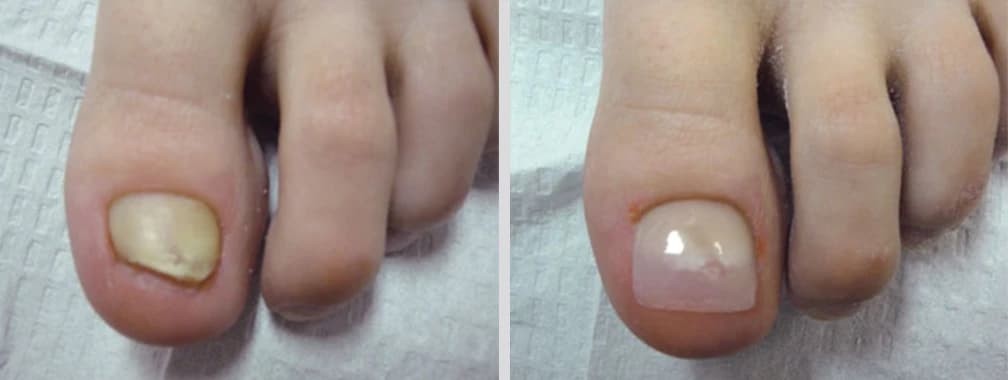
Introducing new nail technology at FALL
We offer two non-surgical nail options: Onyfix, a nail brace that can help ingrown or curved toenails, and Keryflex, a cosmetic nail restoration for damaged nails.
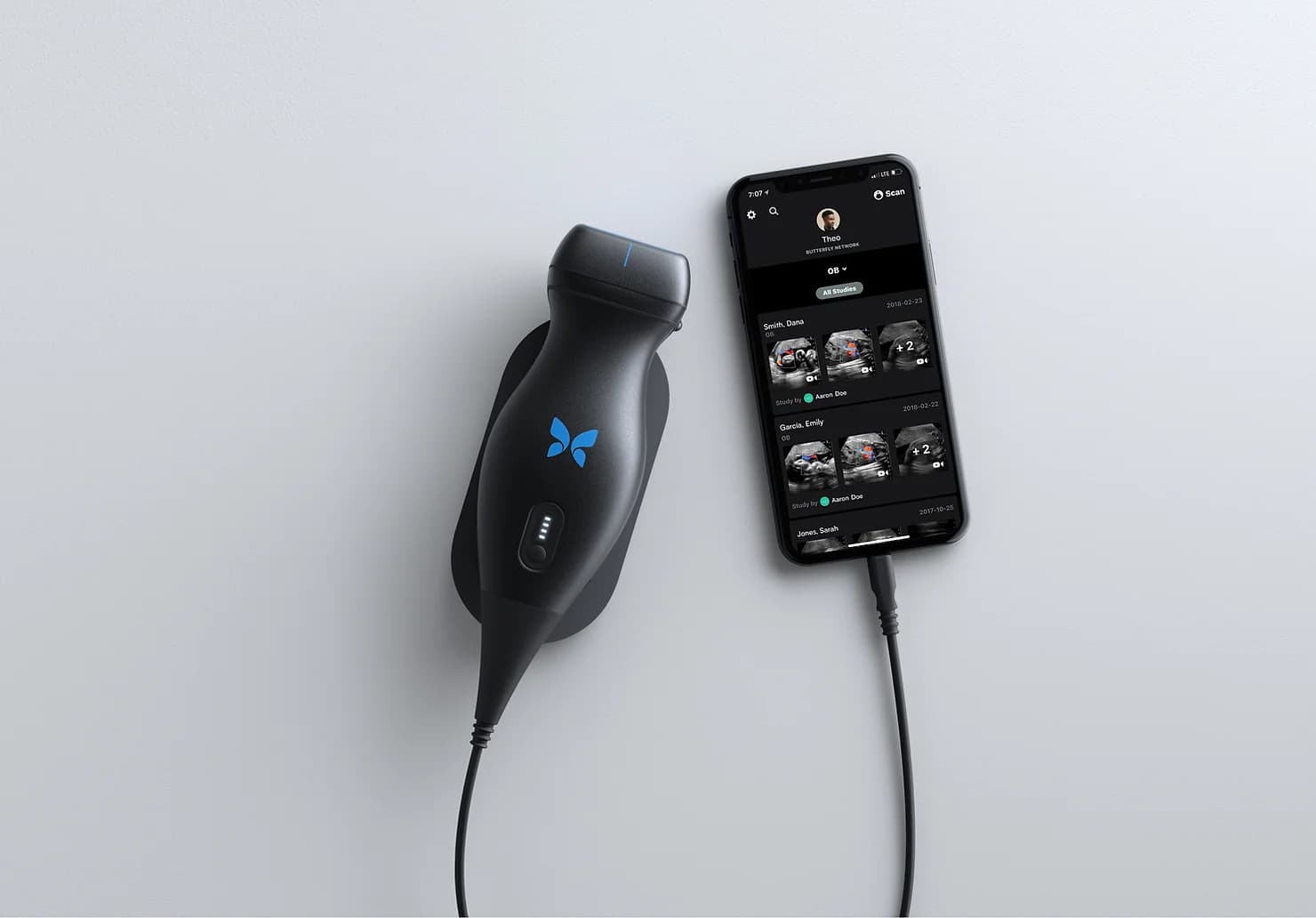
Diagnostic Ultrasound at FALL
We use a handheld ultrasound in the consulting room to look at tendons, the plantar fascia and other soft tissues while you're with us. It's painless and uses no radiation.
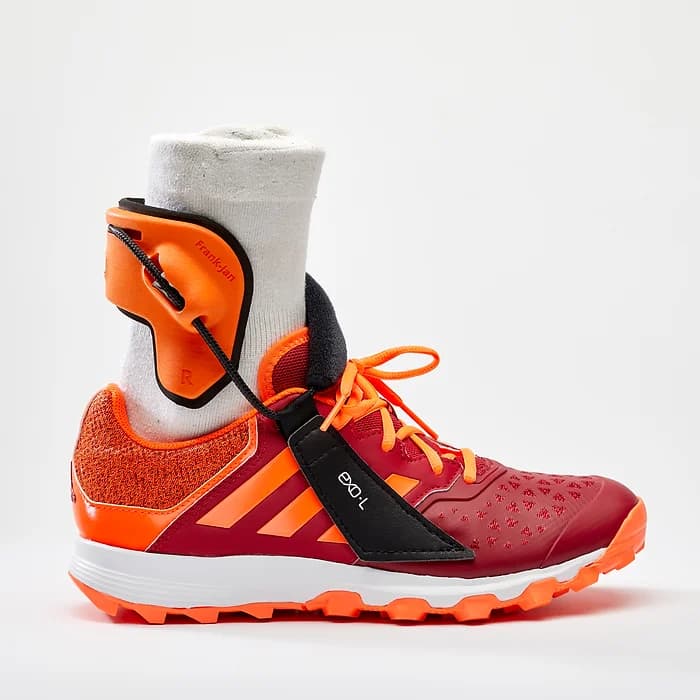
Unstable ankles? We can help
If your ankle keeps rolling or giving way, a balance and strengthening program and a good brace can cut your chance of another sprain. Here's how we treat unstable ankles.