
Shin splints
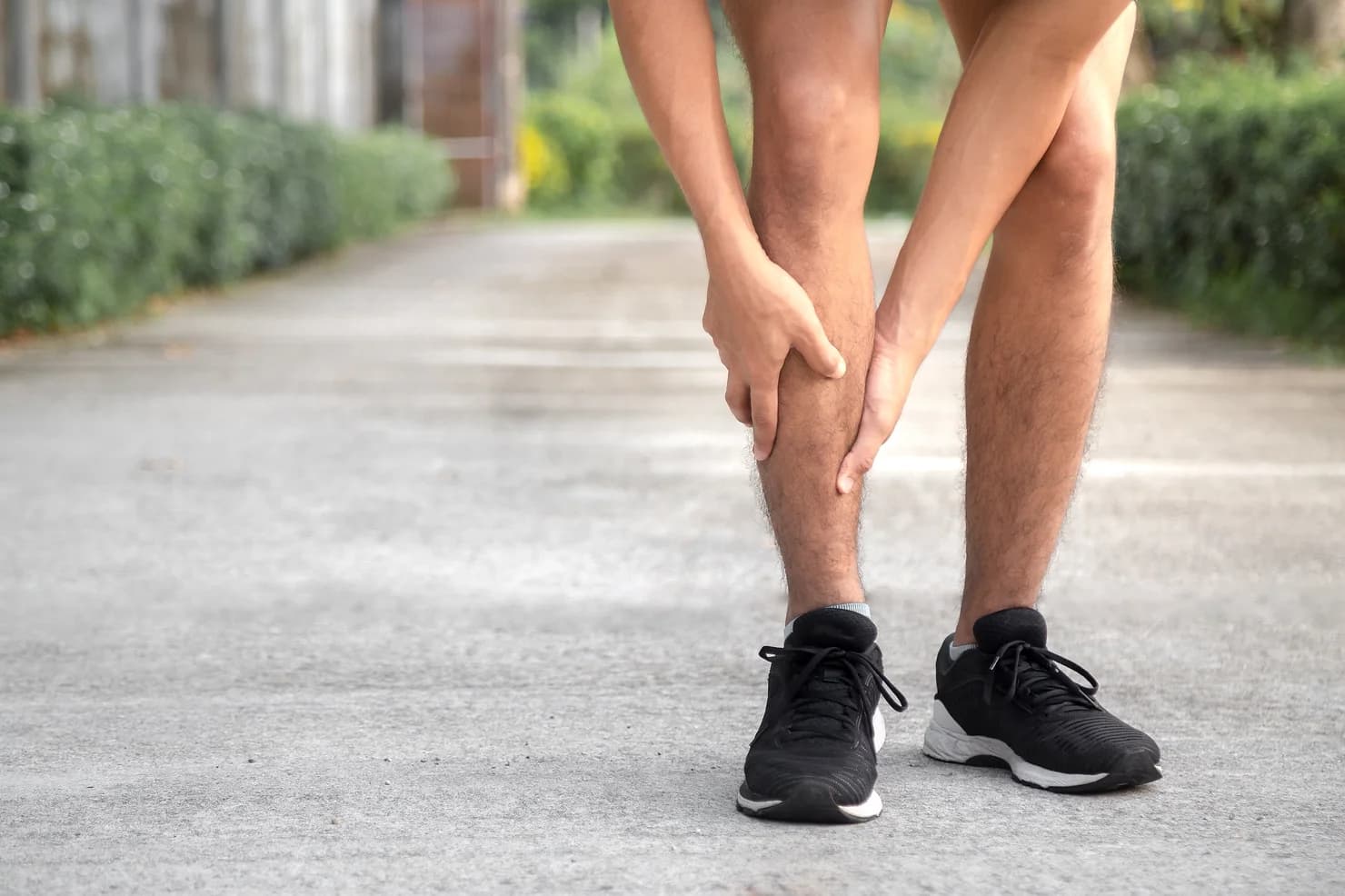
Shin splints cause aching along the inner edge of the shin bone, usually from doing too much running or jumping too soon. Rest and a gradual return to sport usually fix it within weeks.
Shin splints are a common cause of pain along the shin in runners and people who play sports with a lot of running and jumping. They usually get better within a few weeks with the right changes to your training.¹ The key is to reduce the load on your shin for a while, then build back up gradually, so the pain doesn't keep coming back.
What are shin splints?
Shin splints are pain in the lower leg caused by repeated stress on the shin bone (tibia).² The most common type is called medial tibial stress syndrome. It causes pain along the inner edge of the shin bone,² usually over a stretch of several centimetres rather than one small spot.
If shin splints aren't managed, the bone can become more stressed and may develop a stress fracture.²
What causes it?
Shin splints happen when your lower leg is loaded more than it can cope with. Common triggers include:¹,²
- suddenly increasing how much, how often or how hard you train
- starting intense exercise after a period of inactivity
- running or jumping on hard surfaces
- sports with lots of running and jumping, such as running, football, netball and basketball
- shoes that don't give enough support.
Some people are more likely to get shin splints. Risk factors include being female, being heavier, having had a running injury before, and having feet that flatten or roll in more when you stand.³,⁴ Weak muscles in the leg may also play a part.²
Signs and symptoms
Shin splints usually cause:¹,²
- a dull, aching pain along the inner edge of the shin
- pain that comes on with exercise and eases with rest
- tenderness when you press along the bone
- sometimes mild swelling.
In the early stages, the pain may ease once you warm up. As it gets worse, it can last longer after exercise or be there even at rest.
What can help?
Self-care. Most people get better by changing what they do:¹
- cut back or stop the activity that brings on the pain for a while
- keep fit with low-impact exercise, such as swimming or cycling
- use an ice pack, wrapped in a cloth, for up to 20 minutes every 2–3 hours in the first few days
- wear supportive shoes that fit well
- ask your pharmacist about pain relief.
When the pain has settled, return to your sport gradually, and increase your training slowly.
What a podiatrist can do. At Foot Ankle Lower Limb, we look at what's overloading your shins: your training, footwear, the way you run and the strength of your legs. Treatment is usually a mix of:
- a plan to reduce, then gradually rebuild, your training load
- a strengthening program for the calf and leg muscles
- footwear advice, and sometimes orthoses (shoe inserts) or taping.
Be aware that no single treatment has been clearly proven to speed up recovery from shin splints.⁵ Shockwave therapy shows some promise, while laser therapy, stretching and leg braces haven't been shown to help on their own.⁵ Managing your training load remains the foundation.
Preventing it. Build up training gradually, warm up before exercise, allow recovery time between sessions, and choose supportive shoes.¹,² Running on softer surfaces where you can may also help.¹
When to see a podiatrist
See a podiatrist, physiotherapist or GP if:
- the pain is getting worse, or isn't improving after a few weeks of rest¹
- you have pain at rest or at night
- the pain is in one small, very tender spot, or you have pain when hopping. These can be signs of a stress fracture
- your shin is very swollen, or the pain is severe.
Children and teenagers with ongoing shin pain should also be checked.
If shin pain is stopping you from running or playing sport, book an appointment with our team.
References
- NHS (2023). Shin splints. https://www.nhs.uk/conditions/shin-splints/
- Healthdirect Australia (2024). Shin splints. https://www.healthdirect.gov.au/shin-splints
- Reinking MF, Austin TM, Richter RR, Krieger MM (2017). Medial tibial stress syndrome in active individuals: a systematic review and meta-analysis of risk factors. Sports Health, 9(3), 252–261. https://doi.org/10.1177/1941738116673299
- Neal BS, Griffiths IB, Dowling GJ, et al. (2014). Foot posture as a risk factor for lower limb overuse injury: a systematic review and meta-analysis. Journal of Foot and Ankle Research, 7, 55. https://doi.org/10.1186/s13047-014-0055-4
- Winters M, Eskes M, Weir A, et al. (2013). Treatment of medial tibial stress syndrome: a systematic review. Sports Medicine, 43(12), 1315–1333. https://doi.org/10.1007/s40279-013-0087-0
Reviewed by Andrew Schox, Podiatrist, BSc(Hons) PGradDipPod MPod. Last reviewed October 2026.
Need Professional Podiatry Care?
Our experienced team is here to help with all your foot and ankle concerns. Book an appointment today for expert diagnosis and treatment.
Book an AppointmentRelated Articles

Cortisone injections: relief for foot and ankle pain
A cortisone injection can calm a painful joint, bursa or nerve within days, and the relief often lasts weeks to months. It works best as one part of a wider treatment plan.
Why are my toenails unsightly?
Thick, discoloured or misshapen toenails are common. Fungal infection, injury, ageing, skin conditions and ingrown nails are the usual causes, and most can be treated or managed.

Why do I get calf muscle cramps?
Calf cramps are common and usually harmless, often linked to tired muscles, exercise or age. Cramping pain that comes on with walking and eases with rest is different and needs checking.