
Trigger point therapy and acupuncture

Dry needling and acupuncture use fine needles to ease muscle and joint pain. They can help a little with some conditions, such as heel pain, and work best alongside exercise.
Dry needling (trigger point therapy) and acupuncture both use very fine needles to ease pain. At Foot Ankle Lower Limb we sometimes use needling for muscle, tendon and heel pain in the feet and legs, usually as one part of a wider treatment plan. Here's what each one involves, and what they can and can't do.
What are dry needling and acupuncture?
Dry needling uses fine, solid needles (there's nothing injected, which is why it's called "dry"). The needle is placed into a tight, tender spot in a muscle, often called a trigger point. It's used to treat muscle pain, sometimes called myofascial pain.¹,³
Acupuncture also uses fine needles inserted into the skin. It began as part of traditional Chinese medicine and has been used for at least 2,500 years.⁴ Many health professionals now use it alongside modern approaches to treating pain.
How does it work?
No one fully understands how needling works. The best current explanation is that needles have effects on the nervous system and on the tissues around them.⁴ Part of the benefit also comes from non-specific effects, such as your expectations and the care you receive. That's a real effect, but it means needling tends to look less impressive when it's compared with a fake (sham) treatment.⁴
What can it help with?
We may use needling for:
- heel pain (plantar fasciitis)
- tight, sore calf and foot muscles
- tendon pain, such as Achilles tendinopathy, alongside an exercise program
- some types of arthritis pain.
Does it work?
Needling can help some conditions a little, but it isn't a cure on its own.
- Heel pain: dry needling can reduce heel pain.¹,² The benefit is modest, so it works best as part of a wider plan.¹
- Calf and tendon pain: dry needling may ease calf muscle pain and stiffness in people with Achilles pain, particularly early on or if exercise is hard to tolerate.⁷ Strengthening exercise remains the main treatment.⁷
- Arthritis: acupuncture may help some pain conditions, including knee pain from osteoarthritis.⁴
- Nerve pain: there isn't enough evidence to say whether acupuncture helps nerve pain (neuropathic pain).⁵
Is it safe?
Needling is generally safe. Few complications have been reported, and problems have mostly come from non-sterile needles or treatment that wasn't delivered properly.⁴ We use sterile, single-use needles. Minor side effects are common, such as bruising, a small amount of bleeding, or soreness during or after treatment.³ Less often, symptoms flare up for a while, or people feel drowsy or get a headache.³ Serious problems are rare.³,⁴
Needling may not be suitable if you take blood-thinning medicine, have a bleeding disorder, or have a skin condition or infection in the area.⁶ Tell your podiatrist about your medicines and health conditions before treatment.
What to expect at FALL
Your podiatrist will assess you first and tell you honestly whether needling is likely to help. If we use it, it will be one part of your treatment, alongside exercises, footwear advice or orthoses (shoe inserts). You'll lie comfortably while we place a small number of needles. You may feel a brief prick, an ache or a twitch in the muscle. Sessions are short, and we'll agree on how many make sense and stop if it isn't helping.
If you'd like to find out whether needling could help your pain, book an appointment.
References
- Cotchett MP, Munteanu SE, Landorf KB (2014). Effectiveness of trigger point dry needling for plantar heel pain: a randomized controlled trial. Physical Therapy, 94(8), 1083–1094. https://doi.org/10.2522/ptj.20130255
- Llurda-Almuzara L, Labata-Lezaun N, Meca-Rivera T, et al. (2021). Is dry needling effective for the management of plantar heel pain or plantar fasciitis? An updated systematic review and meta-analysis. Pain Medicine, 22(7), 1630–1641. https://doi.org/10.1093/pm/pnab114
- Brady S, McEvoy J, Dommerholt J, Doody C (2014). Adverse events following trigger point dry needling: a prospective survey of chartered physiotherapists. Journal of Manual & Manipulative Therapy, 22(3), 134–140. https://doi.org/10.1179/2042618613Y.0000000044
- National Center for Complementary and Integrative Health (2022). Acupuncture: what you need to know. https://www.nccih.nih.gov/health/acupuncture-what-you-need-to-know
- Ju ZY, Wang K, Cui HS, et al. (2017). Acupuncture for neuropathic pain in adults. Cochrane Database of Systematic Reviews, 12, CD012057. https://doi.org/10.1002/14651858.CD012057.pub2
- NHS (2026). Herbal medicines and complementary therapies. https://www.nhs.uk/tests-and-treatments/acupuncture/
- Chimenti RL, Neville C, Houck J, et al. (2024). Achilles pain, stiffness, and muscle power deficits: midportion Achilles tendinopathy revision – 2024. Journal of Orthopaedic & Sports Physical Therapy, 54(12), CPG1–CPG32. https://doi.org/10.2519/jospt.2024.0302
Reviewed by Andrew Schox, Podiatrist, BSc(Hons) PGradDipPod MPod. Last reviewed October 2026.
Need Professional Podiatry Care?
Our experienced team is here to help with all your foot and ankle concerns. Book an appointment today for expert diagnosis and treatment.
Book an AppointmentRelated Articles
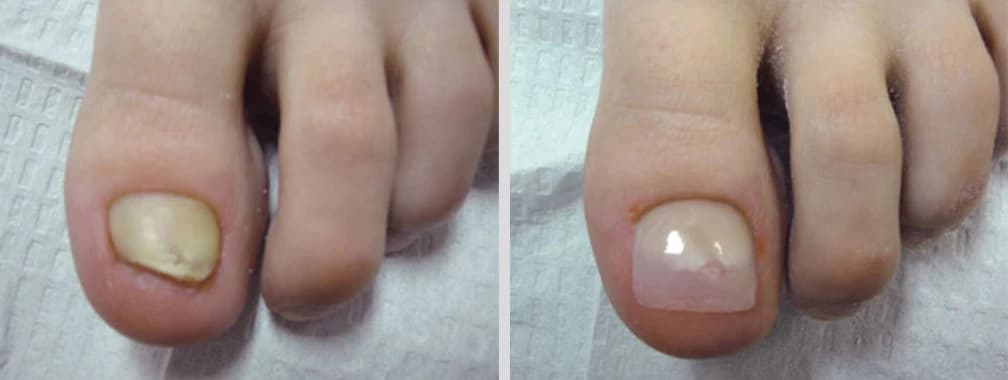
Introducing new nail technology at FALL
We offer two non-surgical nail options: Onyfix, a nail brace that can help ingrown or curved toenails, and Keryflex, a cosmetic nail restoration for damaged nails.
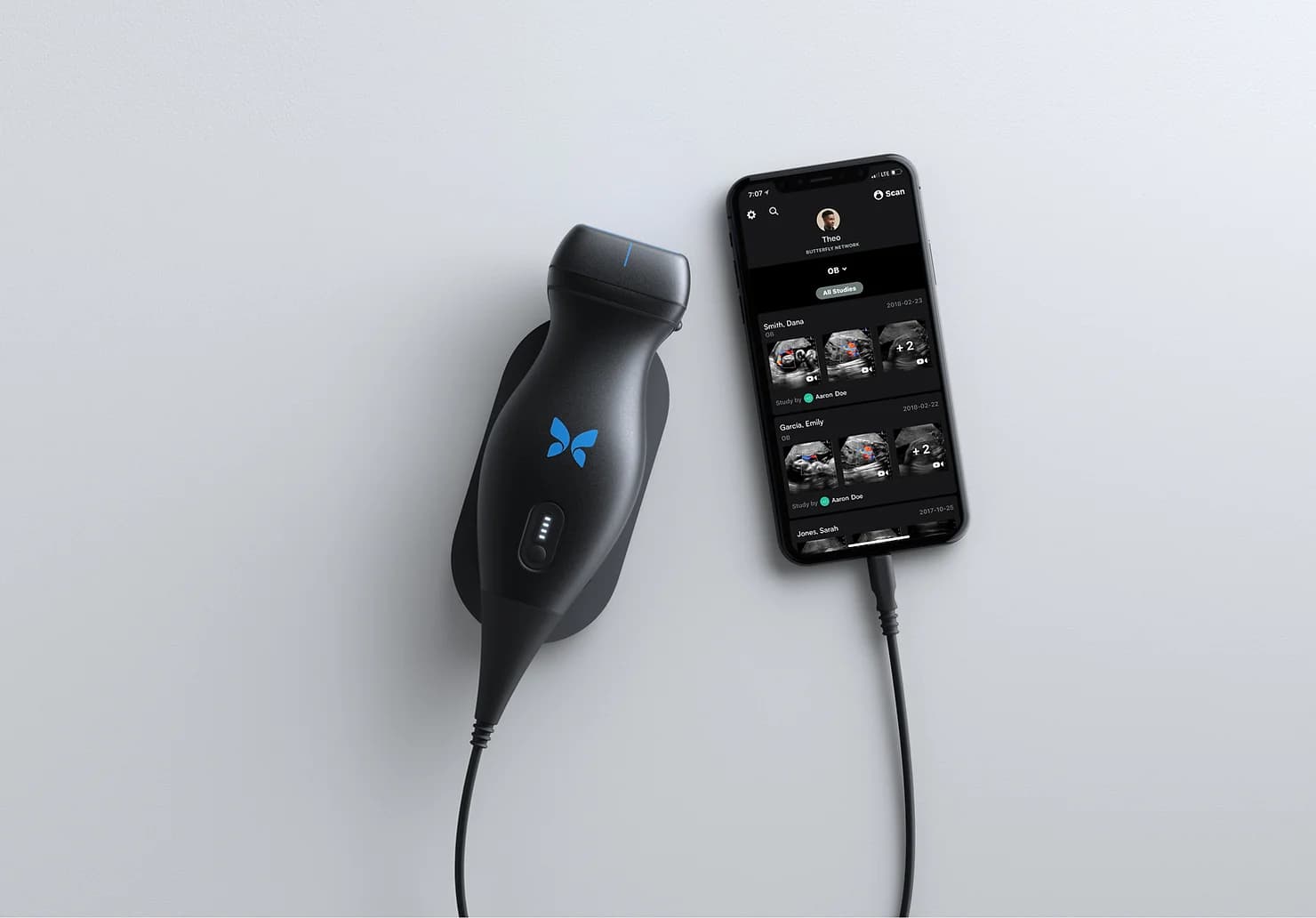
Diagnostic Ultrasound at FALL
We use a handheld ultrasound in the consulting room to look at tendons, the plantar fascia and other soft tissues while you're with us. It's painless and uses no radiation.
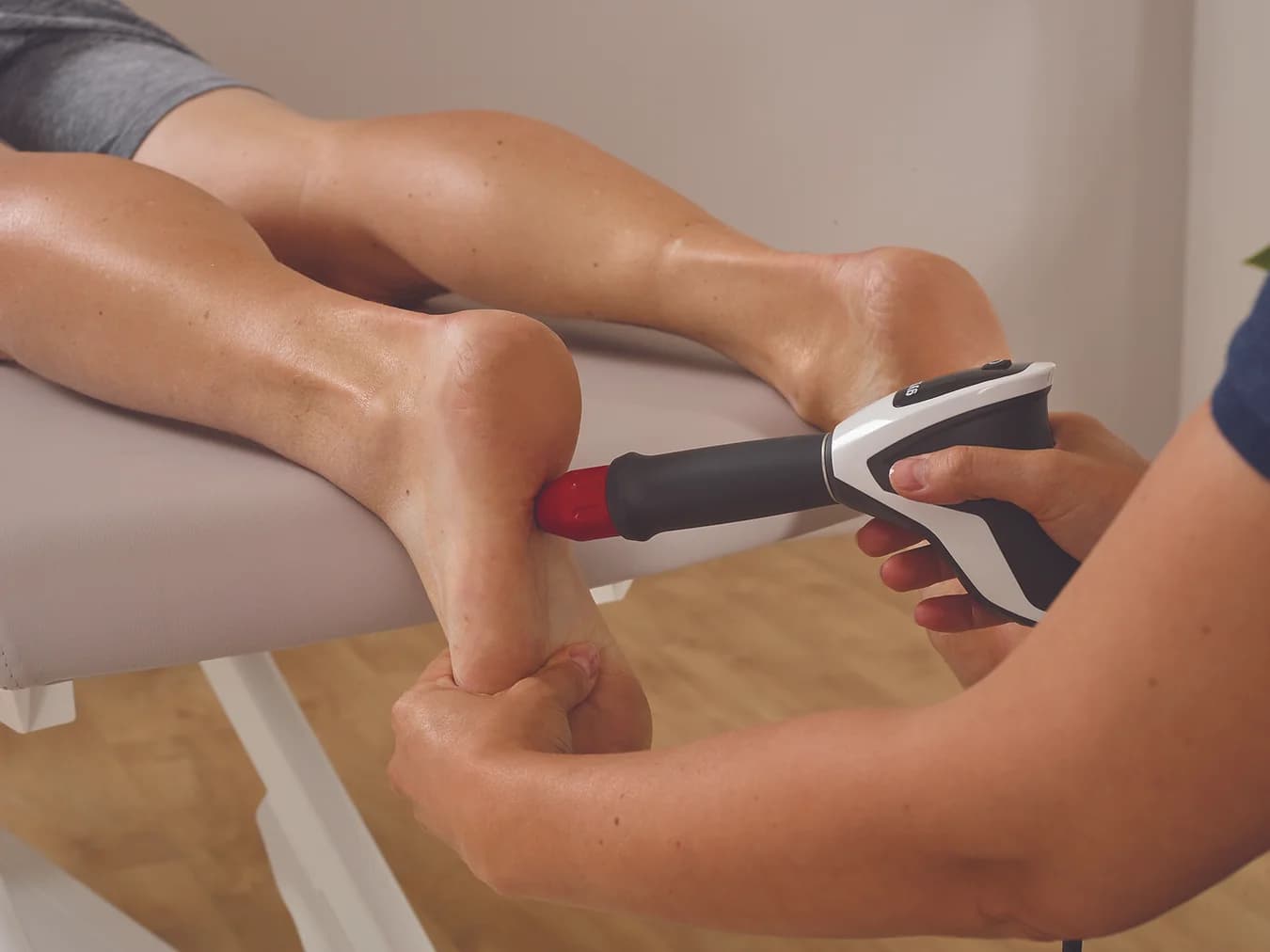
Shockwave therapy: a solution for chronic musculoskeletal conditions?
Shockwave therapy can help long-standing heel pain and Achilles tendon pain, especially alongside exercise. It isn't a cure-all, and the evidence for other conditions is weaker.