
Unstable ankles? We can help
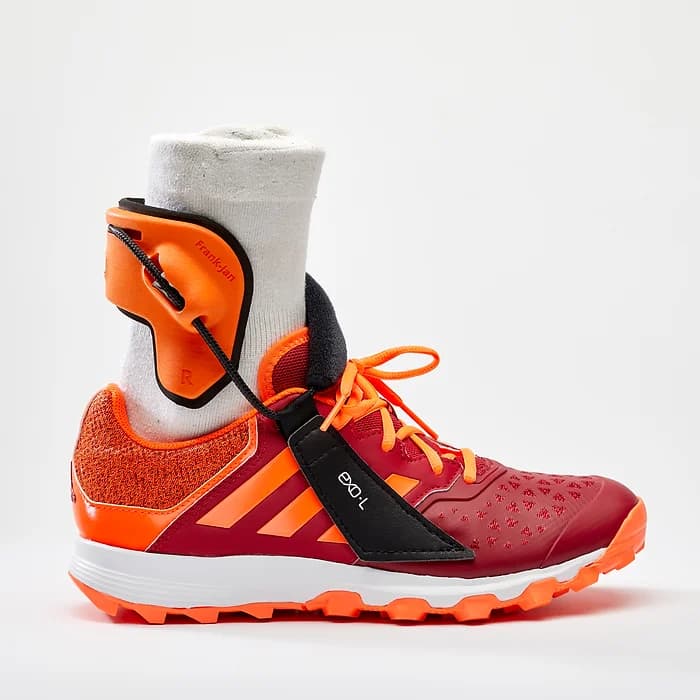
If your ankle keeps rolling or giving way, a balance and strengthening program and a good brace can cut your chance of another sprain. Here's how we treat unstable ankles.
If your ankle keeps rolling, feels weak or "gives way" on uneven ground, you may have chronic ankle instability. It usually starts with a sprain that never quite recovers. The good news is that exercise and the right brace can make a real difference. This post explains why ankles become unstable and how we help at Foot Ankle Lower Limb.
What is an unstable ankle?
Ankle sprains are among the most common injuries in sport and physical activity,¹,² and they also happen in everyday life, such as stepping off a kerb or into a hole.³ Most people recover well, but up to 4 in 10 people who sprain an ankle for the first time go on to have ongoing problems.²
Chronic ankle instability means that, a year or more after the first sprain, the ankle keeps spraining, gives way or feels like it might, and may stay painful, swollen, stiff or weak.² It can stop you doing the activities you enjoy, and it's linked with arthritis of the ankle later in life.¹,³
What causes it?
A sprain stretches or tears the ligaments on the outside of the ankle.³ If they heal loose, the joint has less built-in stability. A sprain can also affect the nerves that tell your brain where your ankle is, and the muscles that react to protect it, so your ankle is slower to correct itself when it starts to roll.²
Having sprained your ankle before makes another sprain much more likely.³,⁴ Repeat sprains are common, and they're a big part of why ankles become unstable.¹
How do we treat it?
Exercise first
A program of balance, strength and coordination training is the foundation. It helps prevent sprains from coming back⁵,⁶ and is preferred over passive treatments because it rebuilds the ankle's own stability.⁶ The exercises get harder over time, moving from balance on one leg to hopping, jumping, landing and sport-specific drills.
A brace that works with you
Bracing is well proven for preventing repeat sprains.⁵,⁶ We fit the EXO-L ankle brace for people who need it. It's custom-made from a scan of your leg and foot, and it's designed to block the combined rolling-in and pointing-down movement that causes most sprains while letting the ankle bend up and down normally.⁷ That means it can protect the ankle without making it feel stiff. The amount of restriction can be adjusted to suit your sport or activity.
Scan testing shows the EXO-L limits that sprain movement as designed.⁷ Most of the research on it so far is this kind of lab testing rather than large sports trials, so we'll talk through whether it or a simpler off-the-shelf brace suits you better.
Other support
Depending on your needs, we may also suggest:
- orthoses (shoe inserts) if the way your foot works adds to the problem
- changes to your shoes
- referral for surgery if your ankle stays unstable despite a thorough exercise program.⁶
Most people don't need surgery.³
What to expect at FALL
We start with a full assessment of your ankle, including its movement, strength and balance, and how you walk and stand. If a custom brace is right for you, we 3D-scan your leg and foot, order the brace, then check the fit with you and your shoes. Your exercise program runs alongside, and we keep reviewing your progress until you're back to the activities you want to do.
When to see a podiatrist
See a podiatrist or physiotherapist if your ankle keeps giving way, you've sprained the same ankle more than once, or pain and swelling haven't settled months after a sprain. See a doctor promptly after a new injury if you can't put weight on the ankle or it looks deformed.³
If your ankles feel unreliable, book an appointment with our team.
References
- Gribble PA, Bleakley CM, Caulfield BM, et al. (2016). Evidence review for the 2016 International Ankle Consortium consensus statement on the prevalence, impact and long-term consequences of lateral ankle sprains. British Journal of Sports Medicine, 50(24), 1496–1505. https://doi.org/10.1136/bjsports-2016-096189
- Hertel J, Corbett RO. (2019). An updated model of chronic ankle instability. Journal of Athletic Training, 54(6), 572–588. https://doi.org/10.4085/1062-6050-344-18
- Healthdirect Australia (2024). Sprained ankle. https://www.healthdirect.gov.au/sprained-ankle
- McKay GD, Goldie PA, Payne WR, Oakes BW. (2001). Ankle injuries in basketball: injury rate and risk factors. British Journal of Sports Medicine, 35(2), 103–108. https://doi.org/10.1136/bjsm.35.2.103
- Doherty C, Bleakley C, Delahunt E, Holden S. (2017). Treatment and prevention of acute and recurrent ankle sprain: an overview of systematic reviews with meta-analysis. British Journal of Sports Medicine, 51(2), 113–125. https://doi.org/10.1136/bjsports-2016-096178
- Vuurberg G, Hoorntje A, Wink LM, et al. (2018). Diagnosis, treatment and prevention of ankle sprains: update of an evidence-based clinical guideline. British Journal of Sports Medicine, 52(15), 956. https://doi.org/10.1136/bjsports-2017-098106
- Kleipool RP, Natenstedt JJ, Streekstra GJ, et al. (2016). The mechanical functionality of the EXO-L ankle brace: assessment with a 3-dimensional computed tomography stress test. American Journal of Sports Medicine, 44(1), 171–176. https://doi.org/10.1177/0363546515611878
Reviewed by Andrew Schox, Podiatrist, BSc(Hons) PGradDipPod MPod. Last reviewed October 2026.
Need Professional Podiatry Care?
Our experienced team is here to help with all your foot and ankle concerns. Book an appointment today for expert diagnosis and treatment.
Book an AppointmentRelated Articles
Introducing new nail technology at FALL
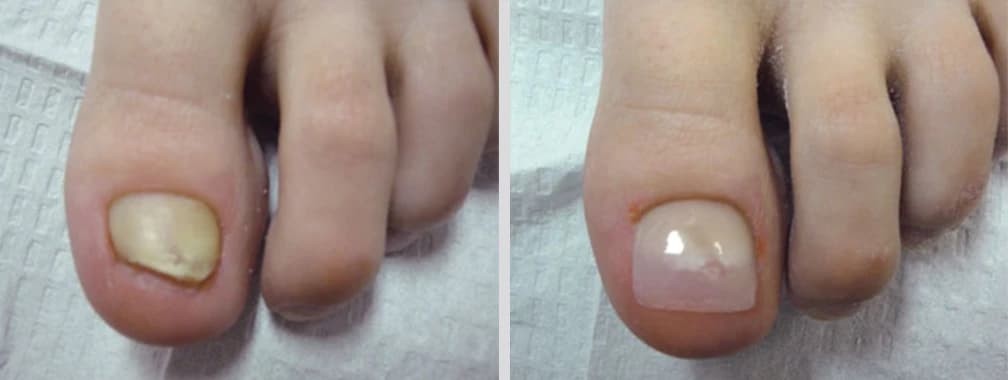
We offer two non-surgical nail options: Onyfix, a nail brace that can help ingrown or curved toenails, and Keryflex, a cosmetic nail restoration for damaged nails.
Diagnostic Ultrasound at FALL
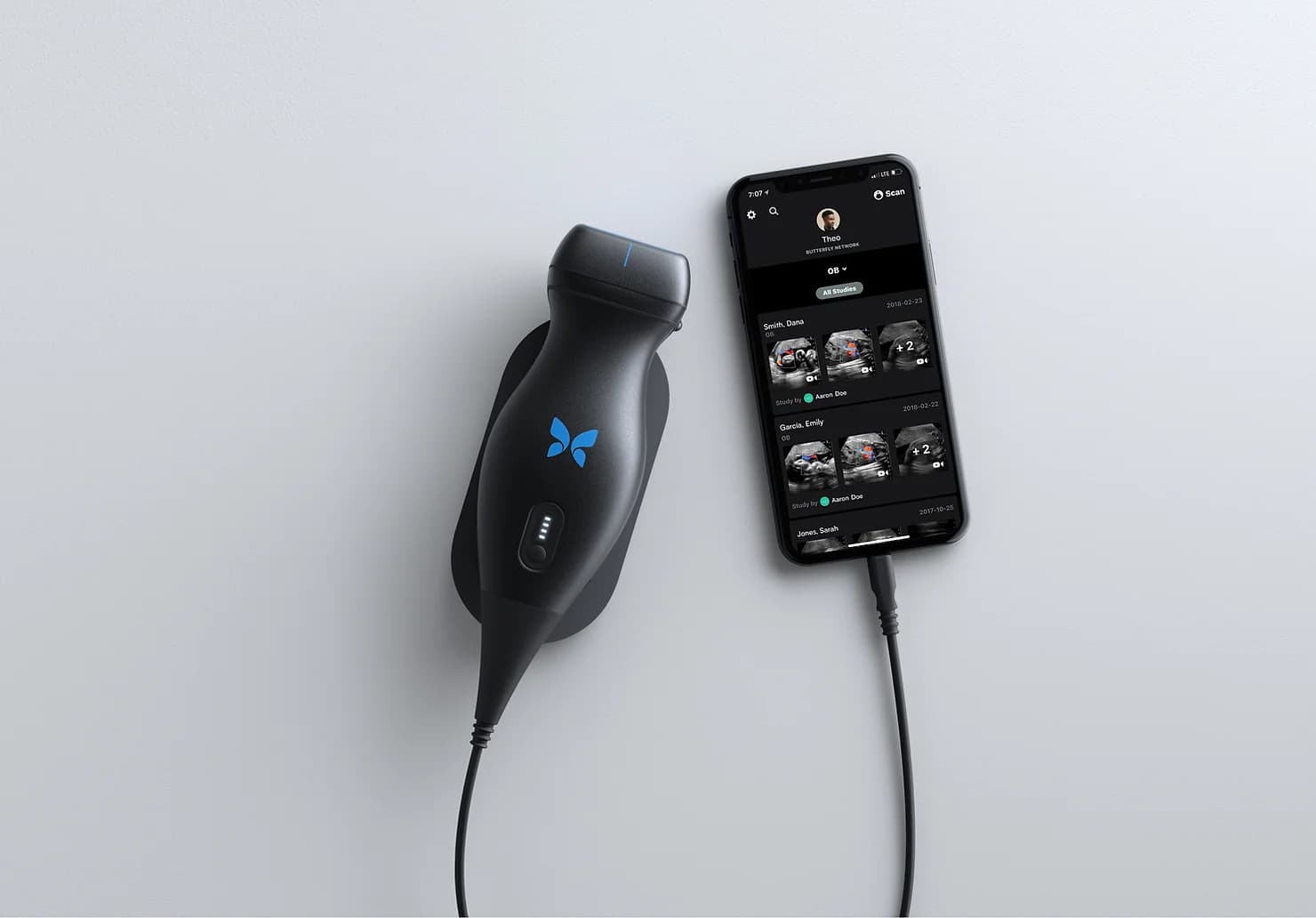
We use a handheld ultrasound in the consulting room to look at tendons, the plantar fascia and other soft tissues while you're with us. It's painless and uses no radiation.
Shockwave therapy: a solution for chronic musculoskeletal conditions?
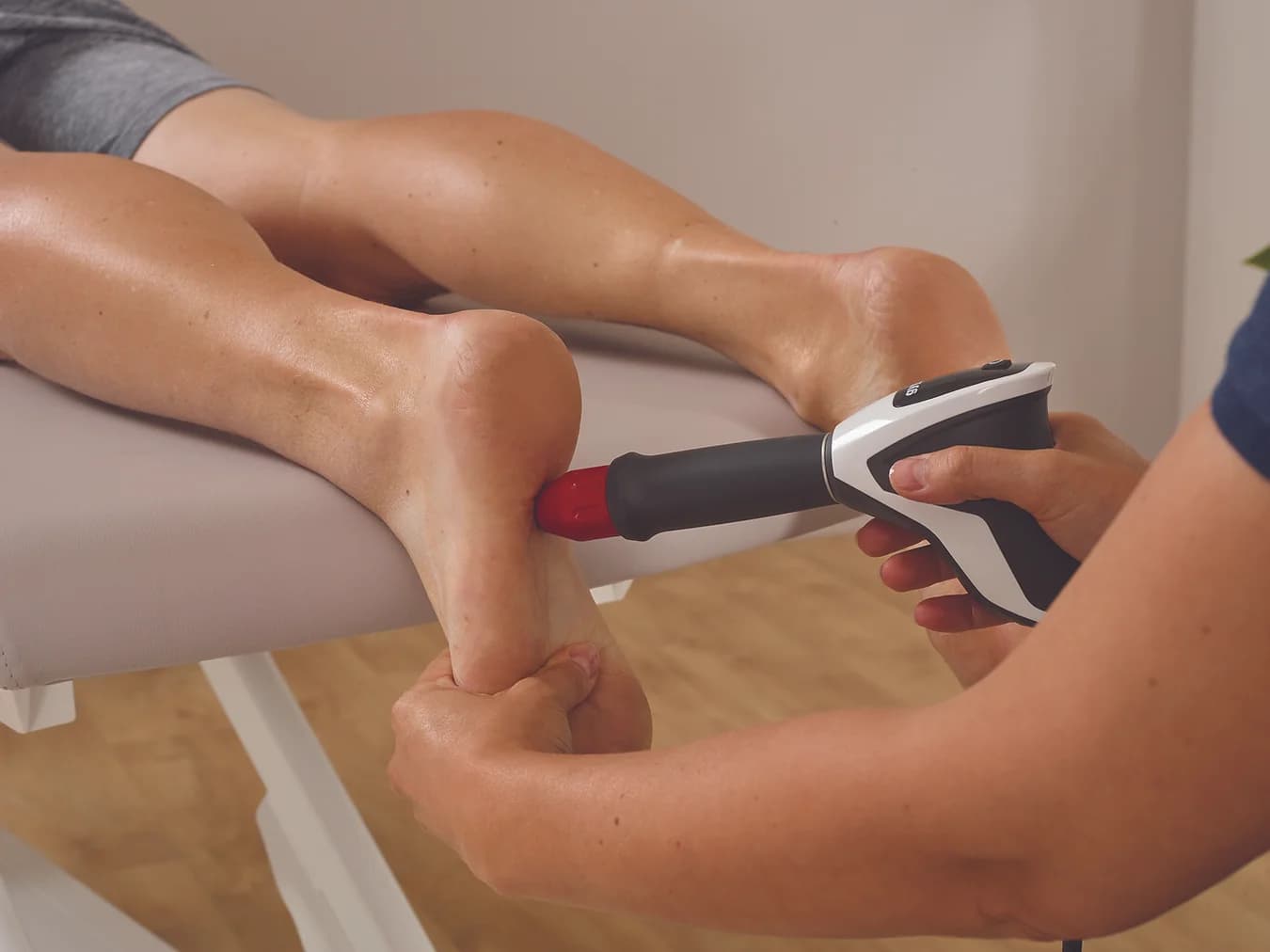
Shockwave therapy can help long-standing heel pain and Achilles tendon pain, especially alongside exercise. It isn't a cure-all, and the evidence for other conditions is weaker.