
Orthotics

Orthotics (foot orthoses) are shoe inserts that change how load passes through your feet. They can ease some types of foot and knee pain, but they work best as part of a wider plan.
Orthotics, also called foot orthoses, are inserts that sit inside your shoes. They're designed to change how pressure and load pass through your feet and legs, to take strain off sore tissues and joints. At Foot Ankle Lower Limb, we prescribe orthoses for adults and children with foot, ankle and leg problems, usually alongside exercises and footwear advice.
How does it work?
Your feet take a lot of load every day, and their shape and the way they work change over a lifetime. When a tendon, joint or other tissue is overloaded, it can become painful.
Orthoses work by changing where and how your foot takes that load. Depending on the design, they can:
- support the arch and change the position of your foot
- take pressure off a painful area, such as the heel or the ball of the foot
- cushion the foot
- spread pressure more evenly, which is important for protecting skin at risk of ulcers.
There are two main types:
- Prefabricated (off-the-shelf) orthoses come in standard shapes and sizes. Some can be adjusted to suit your foot.
- Custom orthoses are made for your feet, from a 3D scan or a cast, to a design based on your assessment.
Podiatrists can prescribe custom-made orthotics and fit other devices to your shoes, feet or lower legs.¹
What can it help with?
Orthoses may be part of the treatment for:
- heel pain (plantar fasciitis)
- pain at the front of the knee, around the kneecap
- lowering the risk of stress fractures in people who train hard
- reducing pressure on the feet of people with diabetes
- painful flat feet, including in children with arthritis.
Does it work?
It depends on the problem. Orthoses are rarely a cure on their own, but they can be a useful part of treatment.
- Heel pain: orthoses can reduce pain a little over the first few months.² Custom orthoses don't seem to work better than off-the-shelf ones for heel pain.²
- Kneecap pain: orthoses can help ease pain and improve function. Exercises for the hip and knee are the main treatment, and orthoses can be added to them.³
- Preventing stress fractures: orthoses may lower the risk of bone stress injuries, but most of the research has been in military recruits and isn't strong.⁴
- Diabetes: for people who have had an ulcer under the foot, footwear and insoles that are proven to reduce pressure help stop ulcers coming back.⁵
- Children's flat feet: most children with flat feet that don't hurt don't need orthoses, and there's no evidence that custom orthoses help them.⁶ Orthoses may help children whose flat feet are painful because of arthritis.⁶
Because custom orthoses don't always do better than off-the-shelf ones, we'll tell you honestly which is likely to suit you. For some people, a well-chosen prefabricated device is enough.
What to expect at FALL
Assessment. We start with your history and a hands-on examination of your feet and legs, testing joint movement and muscle strength. We usually include a gait analysis, using our Zebris treadmill system, which measures how pressure moves across your feet as you walk or run, and your balance.
Prescription. If orthoses are likely to help, we'll talk about prefabricated and custom options, the shoes you'll wear them in, and your activities. Custom orthoses are designed from a 3D scan of your feet. They're often made from a durable plastic called polypropylene, with other materials chosen to suit your activity and shoes.
Fitting and follow-up. We'll fit your orthoses, explain how to wear them in gradually, and review you to make sure they're comfortable and doing their job. We'll adjust them if needed. Most people also get exercises, because stronger muscles and good load management matter as much as the inserts.
If your feet or legs are sore, book an appointment to find out whether orthoses could help.
References
- Healthdirect Australia (2023). Podiatrist. https://www.healthdirect.gov.au/podiatrist
- Whittaker GA, Munteanu SE, Menz HB, et al. (2018). Foot orthoses for plantar heel pain: a systematic review and meta-analysis. British Journal of Sports Medicine, 52(5), 322–328. https://doi.org/10.1136/bjsports-2016-097355
- Collins NJ, Barton CJ, van Middelkoop M, et al. (2018). 2018 Consensus statement on exercise therapy and physical interventions (orthoses, taping and manual therapy) to treat patellofemoral pain. British Journal of Sports Medicine, 52(18), 1170–1178. https://doi.org/10.1136/bjsports-2018-099397
- Lavigne A, Chicoine D, Esculier JF, et al. (2023). The role of footwear, foot orthosis, and training-related strategies in the prevention of bone stress injuries: a systematic review and meta-analysis. International Journal of Exercise Science, 16(3), 721–743. https://doi.org/10.70252/znrs2138
- Bus SA, Sacco ICN, Monteiro-Soares M, et al. (2024). Guidelines on the prevention of foot ulcers in persons with diabetes (IWGDF 2023 update). Diabetes/Metabolism Research and Reviews, 40(3), e3651. https://doi.org/10.1002/dmrr.3651
- Evans AM, Rome K, Carroll M, Hawke F (2022). Foot orthoses for treating paediatric flat feet. Cochrane Database of Systematic Reviews, 1, CD006311. https://doi.org/10.1002/14651858.CD006311.pub4
Reviewed by Andrew Schox, Podiatrist, BSc(Hons) PGradDipPod MPod. Last reviewed October 2026.
Need Professional Podiatry Care?
Our experienced team is here to help with all your foot and ankle concerns. Book an appointment today for expert diagnosis and treatment.
Book an AppointmentRelated Articles
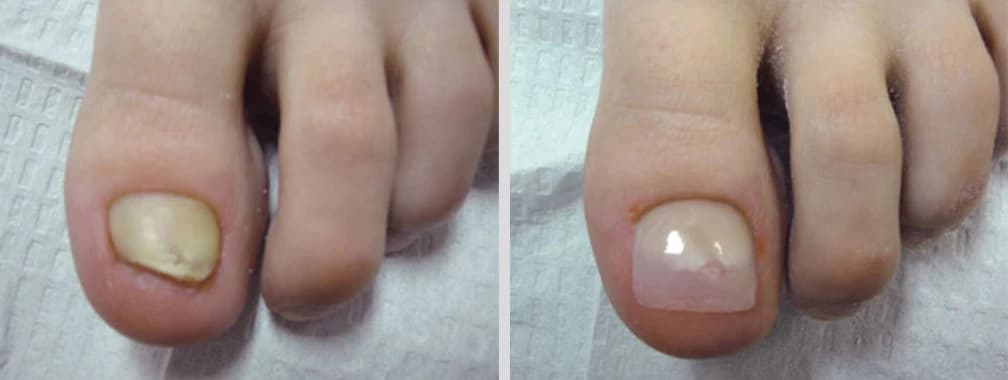
Introducing new nail technology at FALL
We offer two non-surgical nail options: Onyfix, a nail brace that can help ingrown or curved toenails, and Keryflex, a cosmetic nail restoration for damaged nails.
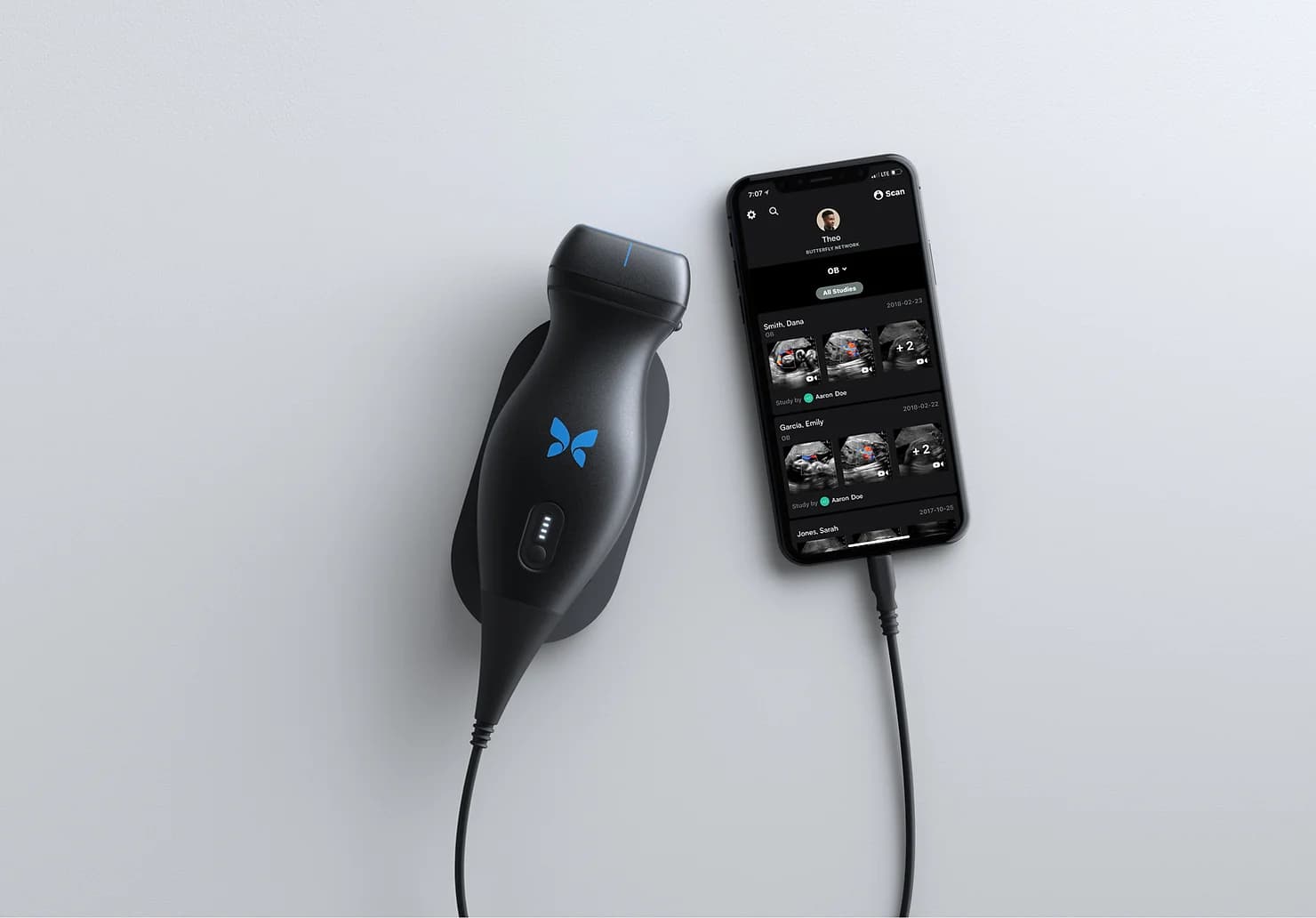
Diagnostic Ultrasound at FALL
We use a handheld ultrasound in the consulting room to look at tendons, the plantar fascia and other soft tissues while you're with us. It's painless and uses no radiation.
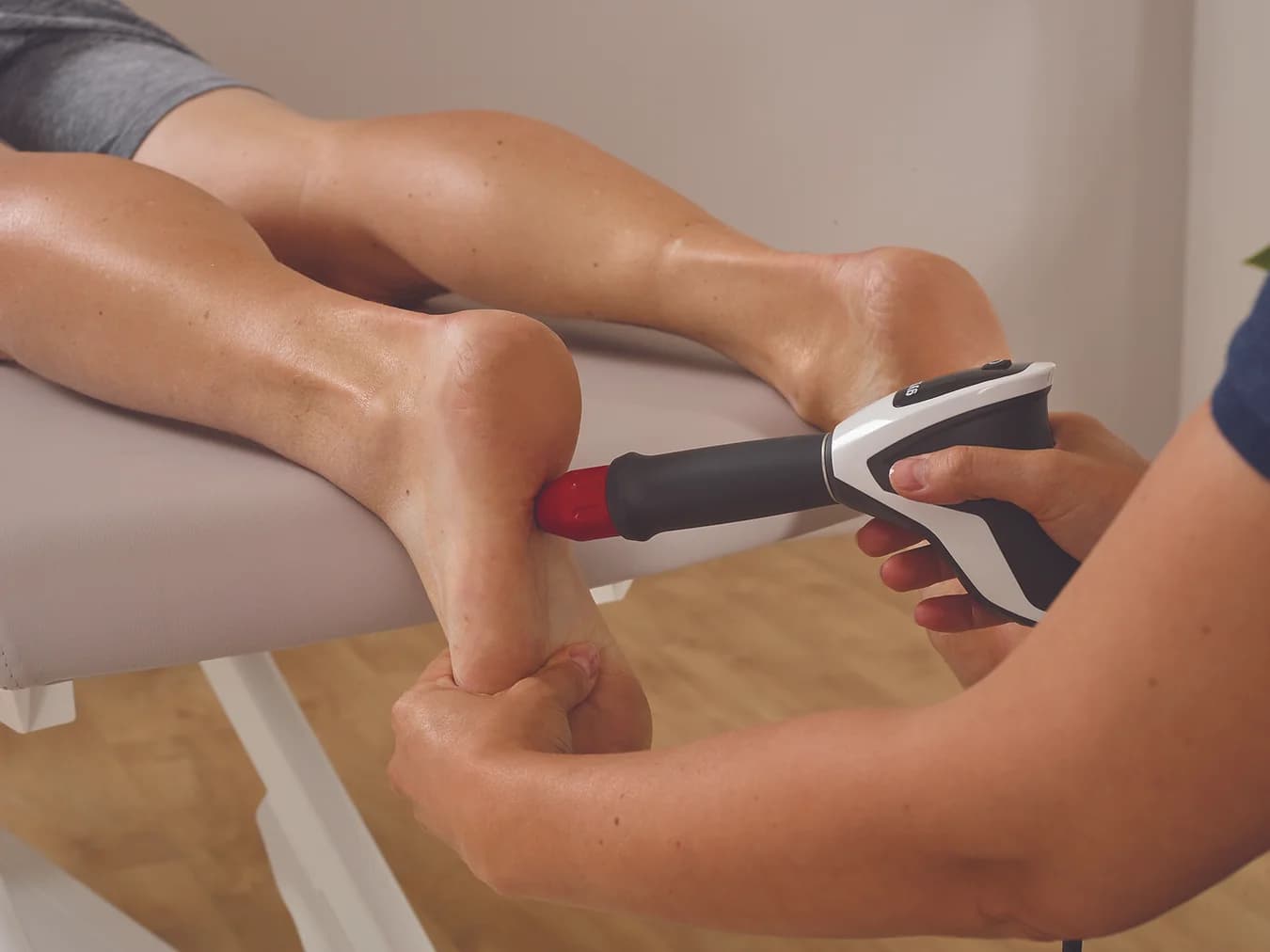
Shockwave therapy: a solution for chronic musculoskeletal conditions?
Shockwave therapy can help long-standing heel pain and Achilles tendon pain, especially alongside exercise. It isn't a cure-all, and the evidence for other conditions is weaker.