
What is a gait and pressure analysis treadmill?
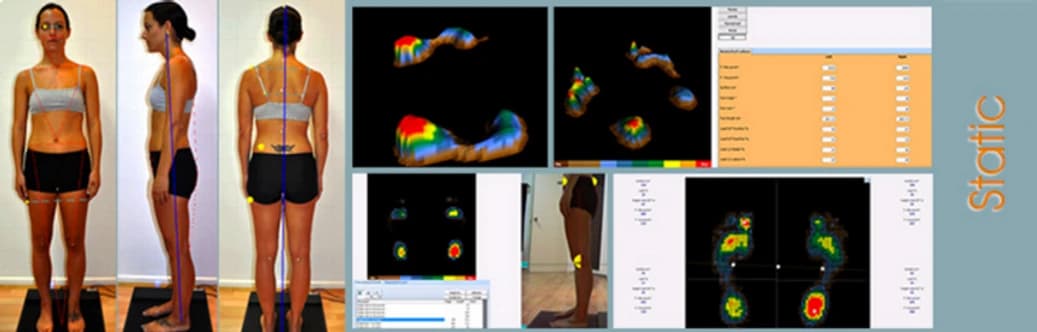
Our Zebris treadmill measures the pressure under your feet and records how you walk or run. It helps us assess pain, balance and footwear, and track your progress over time.
A gait and pressure analysis treadmill is a treadmill with a pressure-sensing plate built into the walking surface. At Foot Ankle Lower Limb we use a Zebris treadmill, combined with video, to see how your feet take load and how you move when you stand, walk or run. It's useful for people of all ages, from someone with sore feet or unsteady balance to an athlete recovering from injury.
How does it work?
Sensors under the treadmill belt measure how much pressure each part of your foot takes, step by step. The system also records timing, such as how long each foot is on the ground and the length of your steps. Measurements like these from Zebris treadmills have been shown to be reliable from one test to the next for walking and running.¹,²
At the same time, cameras record how your feet, ankles, knees and hips move. We can replay the video slowly, compare left and right, and watch how your movement changes in different shoes or with orthoses (shoe inserts). Standing tests on the plate also show how you balance and shift your weight.
What can it help with?
We use the treadmill as part of a biomechanical assessment, for example if you have:
- foot, ankle, knee, leg or back pain that seems linked to how you walk or run
- areas of high pressure that cause pain, corns or calluses
- unsteady balance, or a history of falls
- an injury or surgery you're recovering from
- diabetes, where reducing pressure under the foot helps protect the skin
- questions about which shoes or orthoses suit you.
For people with diabetes at higher risk of foot ulcers, footwear that has been shown to lower pressure under the foot helps prevent ulcers coming back.³ Pressure measurement lets us check whether your shoes and inserts are actually doing that.
Falls are common as we get older. Between 1 in 4 and 1 in 3 people aged 65 and over fall each year.⁴,⁵ Changes in the feet can affect how you walk and balance, and exercises that improve balance and strength reduce falls.⁴,⁵ Measuring your balance gives us a starting point and lets us track how you improve.
Does it work?
The treadmill is a measuring tool, not a treatment. It gives us accurate, repeatable information that's hard to see with the naked eye,¹,² and it's a good way to compare shoes, check orthoses and track your progress.
It's important to be realistic about what it can predict. Research hasn't found any single walking or running pattern that reliably predicts who will get injured.⁶ So we use the results alongside your history, a hands-on examination and your goals, rather than as a stand-alone answer. Your treatment, such as exercises, footwear changes or orthoses, is what makes the difference.
What to expect at FALL
Wear comfortable clothes that let us see your lower legs, such as shorts, and bring the shoes you usually wear, as well as any orthoses. You'll walk, and if relevant run, on the treadmill at a comfortable speed, and we may test you barefoot and in your shoes. The assessment is painless. Your podiatrist will go through the pressure maps and video with you and explain what they mean for your treatment. We can repeat the assessment later to see how you've progressed.
To find out whether a gait and pressure assessment would help you, book an appointment.
References
- Van Alsenoy K, Thomson A, Burnett A (2019). Reliability and validity of the Zebris FDM-THQ instrumented treadmill during running trials. Sports Biomechanics, 18(5), 501–514. https://doi.org/10.1080/14763141.2018.1452966
- Donath L, Faude O, Lichtenstein E, et al. (2016). Mobile inertial sensor based gait analysis: validity and reliability of spatiotemporal gait characteristics in healthy seniors. Gait & Posture, 49, 371–374. https://doi.org/10.1016/j.gaitpost.2016.07.269
- Bus SA, Sacco ICN, Monteiro-Soares M, et al. (2024). Guidelines on the prevention of foot ulcers in persons with diabetes (IWGDF 2023 update). Diabetes/Metabolism Research and Reviews, 40(3), e3651. https://doi.org/10.1002/dmrr.3651
- Healthdirect Australia (2025). Falls. https://www.healthdirect.gov.au/falls
- Sherrington C, Fairhall NJ, Wallbank GK, et al. (2019). Exercise for preventing falls in older people living in the community. Cochrane Database of Systematic Reviews, (1), CD012424. https://doi.org/10.1002/14651858.CD012424.pub2
- Ceyssens L, Vanelderen R, Barton C, et al. (2019). Biomechanical risk factors associated with running-related injuries: a systematic review. Sports Medicine, 49(7), 1095–1115. https://doi.org/10.1007/s40279-019-01110-z
Reviewed by Andrew Schox, Podiatrist, BSc(Hons) PGradDipPod MPod. Last reviewed October 2026.
Need Professional Podiatry Care?
Our experienced team is here to help with all your foot and ankle concerns. Book an appointment today for expert diagnosis and treatment.
Book an AppointmentRelated Articles
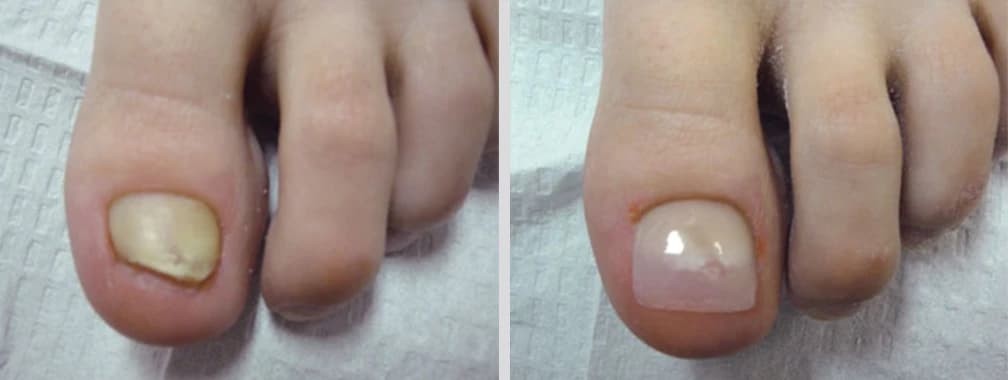
Introducing new nail technology at FALL
We offer two non-surgical nail options: Onyfix, a nail brace that can help ingrown or curved toenails, and Keryflex, a cosmetic nail restoration for damaged nails.
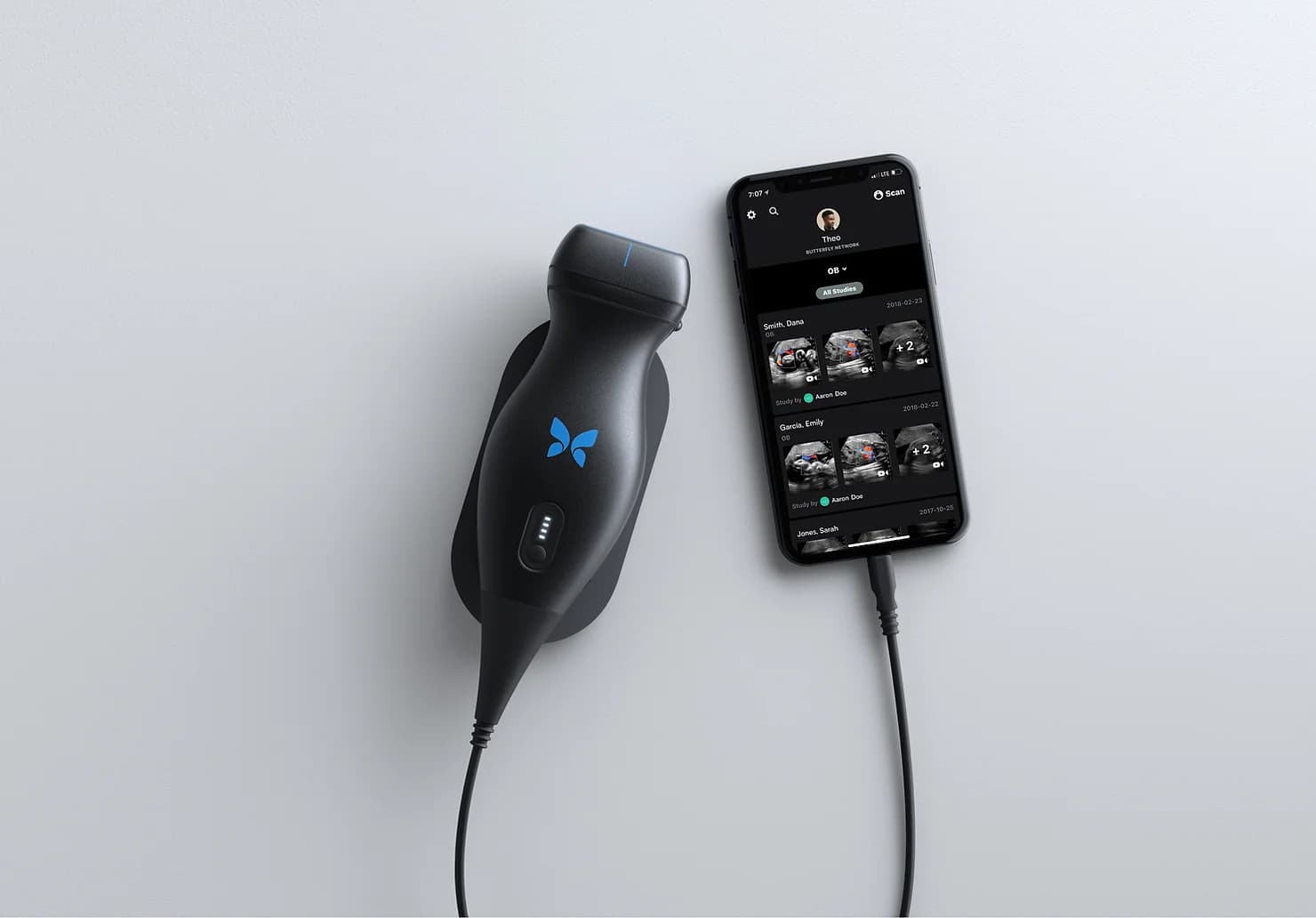
Diagnostic Ultrasound at FALL
We use a handheld ultrasound in the consulting room to look at tendons, the plantar fascia and other soft tissues while you're with us. It's painless and uses no radiation.
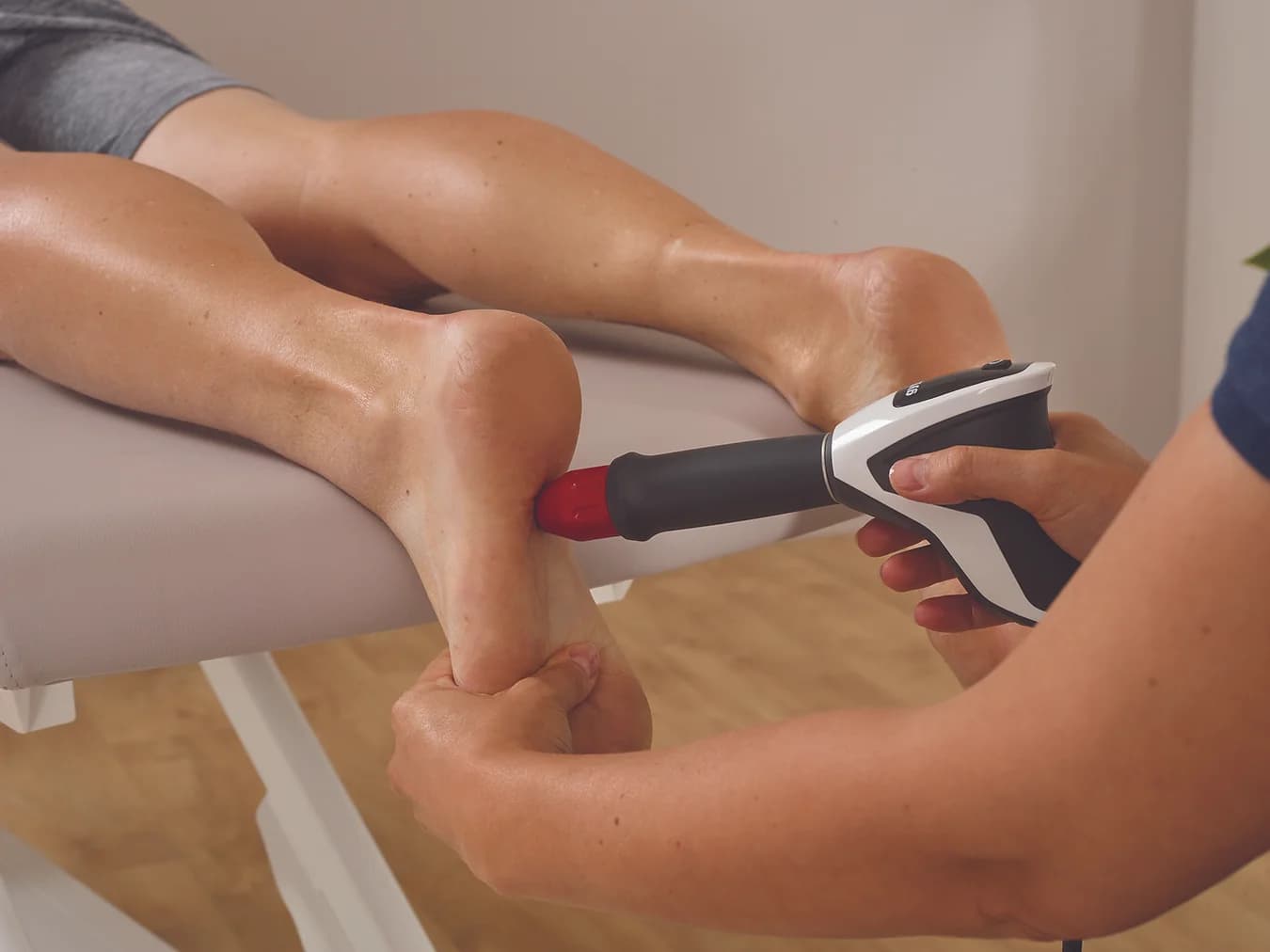
Shockwave therapy: a solution for chronic musculoskeletal conditions?
Shockwave therapy can help long-standing heel pain and Achilles tendon pain, especially alongside exercise. It isn't a cure-all, and the evidence for other conditions is weaker.