
5 reasons to consider Foot Ankle Lower Limb for orthotics

Orthotics can ease several kinds of foot pain, but they work best when they're matched to you and checked over time. Here's how we assess, design and follow up your orthoses.
Orthotics (also called orthoses) are shoe inserts that change how pressure and movement pass through your feet. Podiatrists use them to treat a range of foot and leg problems, and to help active people move more comfortably. Here's how we approach orthotic care at Foot Ankle Lower Limb, and what you can expect.
1. Care built around your goals
Some people simply want to walk without pain. Others want to get back to running, netball or a long day on their feet at work. We start by asking what matters to you, and we design your treatment around that goal.
Orthotics aren't the answer for everyone. Custom orthoses can ease pain for some conditions, such as painful high-arched feet, rearfoot pain from rheumatoid arthritis and painful bunions, while for others the benefit is less clear.¹ If orthotics aren't likely to help you, we'll tell you.
2. A thorough assessment
Before we recommend anything, we examine your feet and legs, look at your footwear and talk about your activity and history. We can also assess how you walk or run, your muscle function, balance and posture. This helps us work out what is driving your pain, so the orthoses target the real problem.
3. Equipment that helps us see how you move
We use a gait analysis treadmill to watch and measure how you walk and run. To make custom orthoses, we take a 3D optical scan of your feet, which gives an accurate model without messy plaster casts.
4. A choice of designs
Orthoses are not one size fits all. We work with more than one orthotic laboratory, so we can choose from a wide range of designs and materials, from firm and supportive to soft and cushioning.
Custom-made isn't always necessary. For heel pain, ready-made orthoses seem to work about as well as custom ones,² so we'll recommend a prefabricated option when it suits you. That can save you money.
5. Follow-up care
We review everyone who has orthoses from us to check they're comfortable and doing their job. Sometimes we adjust them to get a better result. Orthoses can take a few weeks to get used to, and for heel pain any benefit is modest and tends to show after a couple of months rather than straight away.² That's why we usually combine them with other treatment.
Part of a wider plan
Orthotics are often one part of a bigger treatment plan. Depending on your problem, we may also use:
- stretching and strengthening exercises
- joint mobilisation
- trigger point therapy
- laser therapy
- footwear advice.
Our aim is to help with the problem you have now, and to keep you moving well into the future.
If you'd like to find out whether orthotics could help you, book an appointment with our podiatrists in Booragoon.
References
- Hawke F, Burns J, Radford JA, du Toit V (2008). Custom-made foot orthoses for the treatment of foot pain. Cochrane Database of Systematic Reviews, 2008(3), CD006801. https://doi.org/10.1002/14651858.CD006801.pub2
- Whittaker GA, Munteanu SE, Menz HB, Tan JM, Rabusin CL, Landorf KB (2018). Foot orthoses for plantar heel pain: a systematic review and meta-analysis. British Journal of Sports Medicine, 52(5), 322–328. https://doi.org/10.1136/bjsports-2016-097355
Reviewed by Andrew Schox, Podiatrist, BSc(Hons) PGradDipPod MPod. Last reviewed October 2026.
Need Professional Podiatry Care?
Our experienced team is here to help with all your foot and ankle concerns. Book an appointment today for expert diagnosis and treatment.
Book an AppointmentRelated Articles
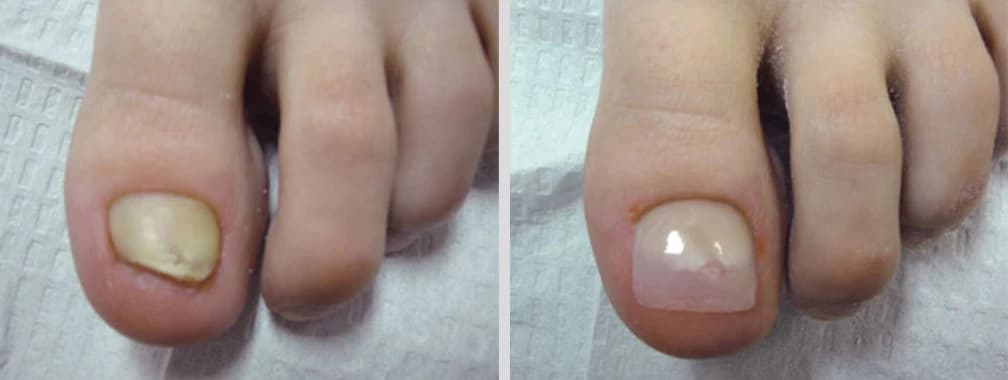
Introducing new nail technology at FALL
We offer two non-surgical nail options: Onyfix, a nail brace that can help ingrown or curved toenails, and Keryflex, a cosmetic nail restoration for damaged nails.
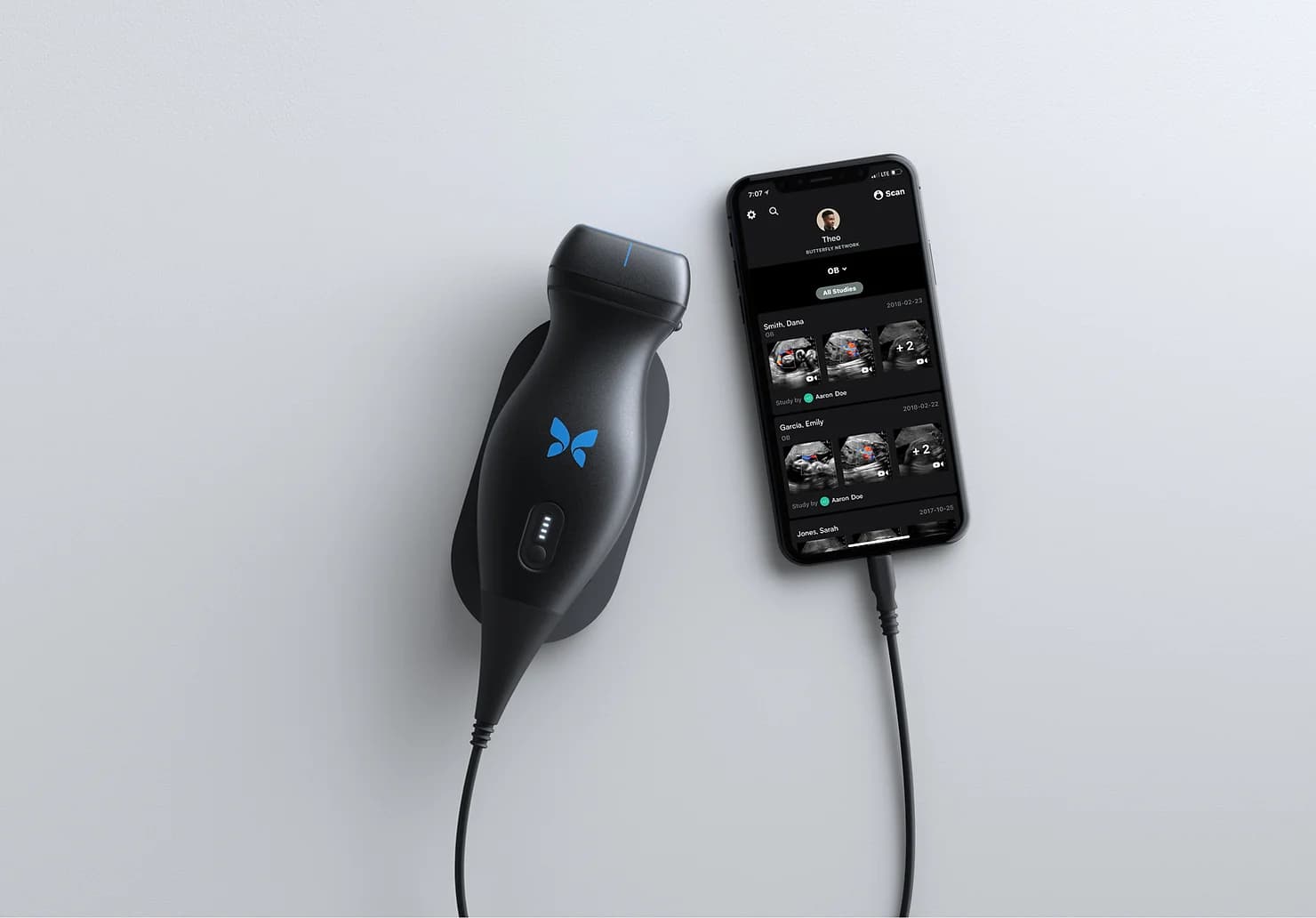
Diagnostic Ultrasound at FALL
We use a handheld ultrasound in the consulting room to look at tendons, the plantar fascia and other soft tissues while you're with us. It's painless and uses no radiation.
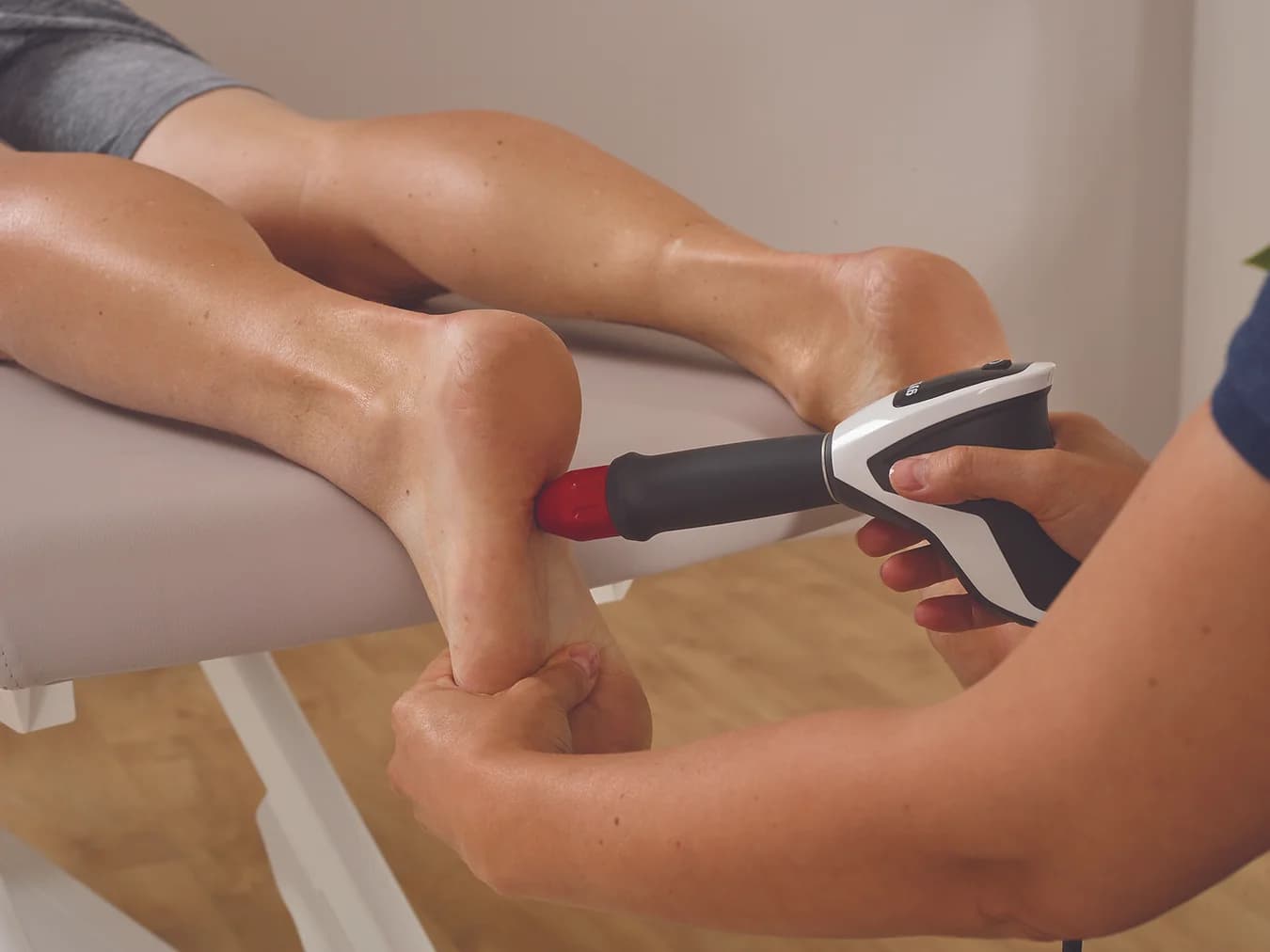
Shockwave therapy: a solution for chronic musculoskeletal conditions?
Shockwave therapy can help long-standing heel pain and Achilles tendon pain, especially alongside exercise. It isn't a cure-all, and the evidence for other conditions is weaker.