
Back to school: tips for school shoes
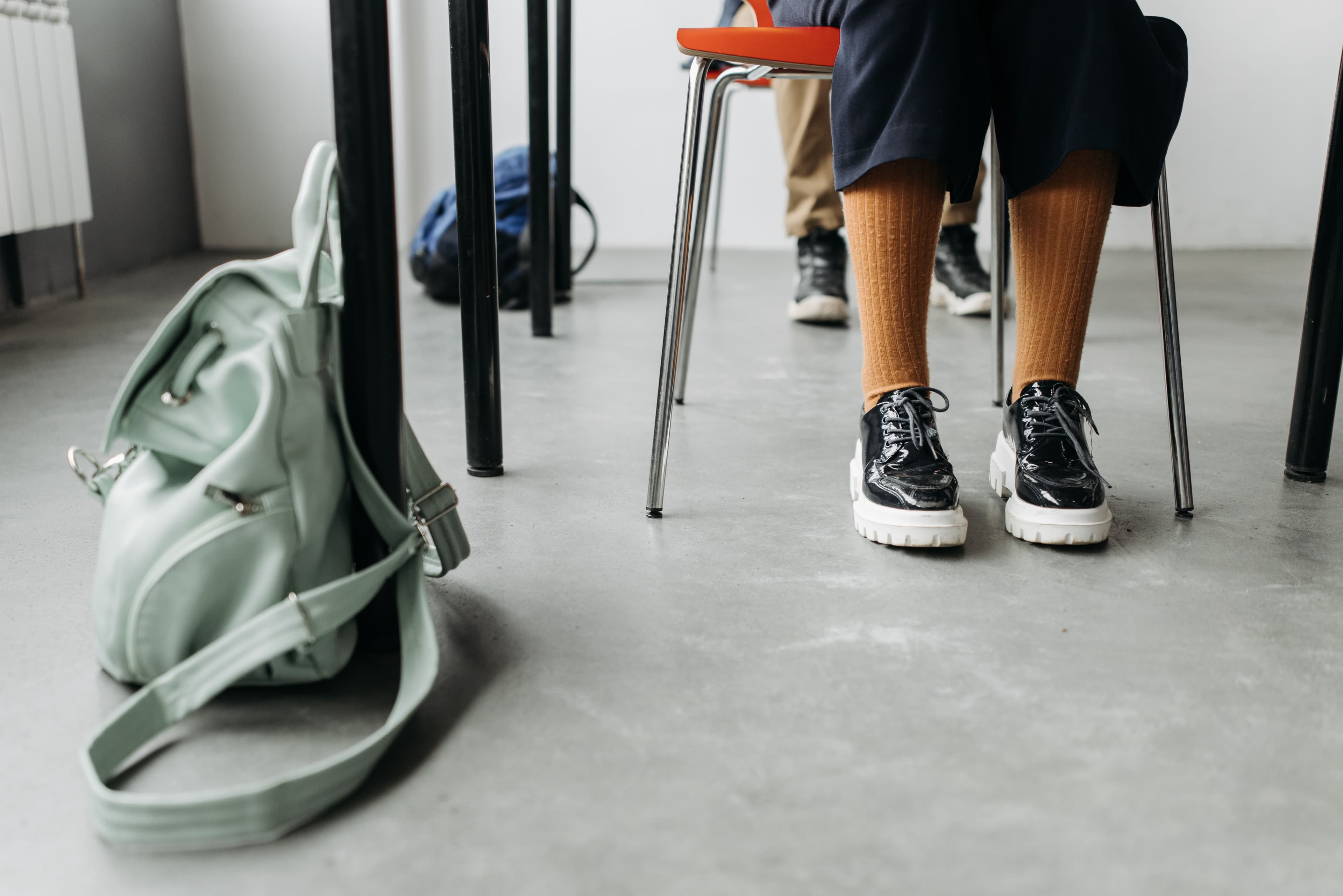
School shoes should fit well from day one, with a thumb's width at the toes, a firm heel and a sole that bends at the ball of the foot. Shoes that are too small restrict the foot.
Children spend a lot of time in their school shoes, so it's worth getting the right pair and having them properly fitted. If your child has grown over the holidays, or their shoes are worn out, here are some tips to help you choose well.
Why does fit matter?
Many people, children included, wear shoes that don't match the length or width of their feet. Poorly fitting shoes are linked with foot pain, corns, calluses and toe problems.¹
Shoes that are too small can squash the toes. In young children, shoes that are too short are linked with the big toe starting to lean towards the other toes.² Shoes that are one size too small also restrict the normal movement of the heel, arch and big toe joint when children walk, and children find them less comfortable.³ Tight shoes can also rub and cause blisters.
Shoes that are too big aren't the answer either. A shoe that's too loose can cause rubbing and blisters, and lets the foot slide around, which can make your child less steady on their feet.
Getting the size right
- Don't buy a size up for "growing room". A shoe that's too big is less comfortable and less stable, and tends to wear out faster. Instead, fit the shoe to your child's foot now and check it regularly.
- Measure both feet. One foot is often slightly bigger than the other. If so, fit the shoe to the larger foot.
- Measure width as well as length. A shoe that's too narrow is uncomfortable and can injure the foot.¹
- Shop later in the day. Feet can be slightly bigger in the afternoon than in the morning.
- Take school socks with you, so the shoe is tried on with what your child will actually wear.
- Check the fit often. Children's feet grow quickly and growth spurts can happen at any time, so check the fit every few months.
What makes a good school shoe?
- Toe room: there should be about a thumb's width (around 1 cm) between the end of the longest toe, which isn't always the big toe, and the end of the shoe. Your child should be able to wiggle their toes.
- A firm heel: the back of the shoe (the heel counter) should be firm and hold the heel snugly. The heel shouldn't slip up and down or forwards.
- Fastenings: laces, buckles or Velcro straps hold the foot in place so it doesn't slide forward in the shoe.
- The right flex: the sole should bend at the ball of the foot, where the toes bend, but shouldn't twist easily from side to side.
- Comfort straight away: a well-fitting shoe shouldn't need "wearing in". Children can tell when a shoe doesn't fit them,³ so ask how it feels and watch them walk. If it isn't comfortable on both feet in the shop, don't buy it.
- Light but sturdy: a lighter shoe is usually better than a heavy one, as long as it's well made and has some cushioning.
Different brands and styles suit different feet. A trained shoe fitter can help.
Do I need to spend a lot?
No. Several well-known brands offer good quality at a reasonable price. Sometimes spending a little more on a better-made shoe saves money in the long run because it lasts longer. Avoid hand-me-down shoes if you can, because they have already moulded to another child's foot.
When to see a podiatrist
It isn't normal for children to have regular pain in their feet, legs, knees, hips or back during everyday activities and sport. See a podiatrist if your child:
- often complains of sore feet or legs
- gets blisters, corns or ingrown toenails
- wears their shoes out unevenly or very quickly
- has feet that are hard to fit, or wears orthoses (shoe inserts)
- trips or falls more than other children their age.
Foot and leg problems are easier to manage when they're picked up early. At Foot Ankle Lower Limb, we can check your child's feet, the way they walk and their current shoes, and help you work out what to look for. To arrange a check before the school year starts, book an appointment.
References
- Buldt AK, Menz HB (2018). Incorrectly fitted footwear, foot pain and foot disorders: a systematic search and narrative review of the literature. Journal of Foot and Ankle Research, 11, 43. https://doi.org/10.1186/s13047-018-0284-z
- Klein C, Groll-Knapp E, Kundi M, Kinz W (2009). Increased hallux angle in children and its association with insufficient length of footwear: a community based cross-sectional study. BMC Musculoskeletal Disorders, 10, 159. https://doi.org/10.1186/1471-2474-10-159
- Matthias E, Banwell HA, Arnold JB (2021). Children's school footwear: the impact of fit on foot function, comfort and jump performance in children aged 8 to 12 years. Gait & Posture, 87, 87–94. https://doi.org/10.1016/j.gaitpost.2021.04.025
Reviewed by Andrew Schox, Podiatrist, BSc(Hons) PGradDipPod MPod. Last reviewed October 2026.
Need Professional Podiatry Care?
Our experienced team is here to help with all your foot and ankle concerns. Book an appointment today for expert diagnosis and treatment.
Book an AppointmentRelated Articles
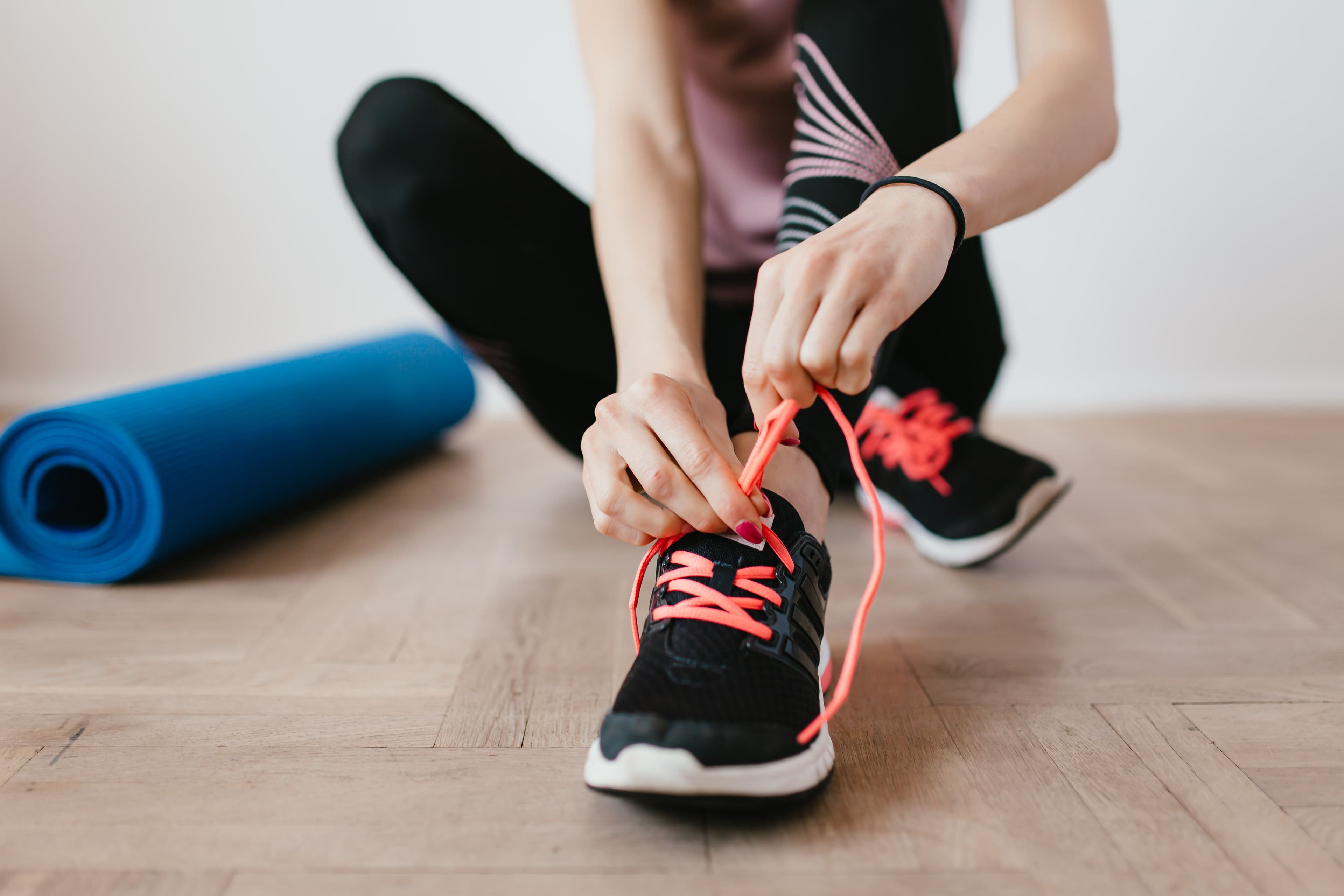
Simple shoe lacing techniques for comfort
How you lace your shoes changes how they fit. Simple lacing tweaks can ease pressure on wide feet, high arches and toenails, and stop your heel slipping.
Home workouts: keeping fit without a gym
You don't need a gym to stay fit. Bodyweight exercises at home can build real strength, and a few simple tricks make them harder as you get fitter.
Coronavirus (COVID-19): what we're doing
We follow infection control standards to keep our clinic safe. If you're unwell with cold or flu symptoms, please call us to move your appointment rather than coming in.