
Home workouts: keeping fit without a gym
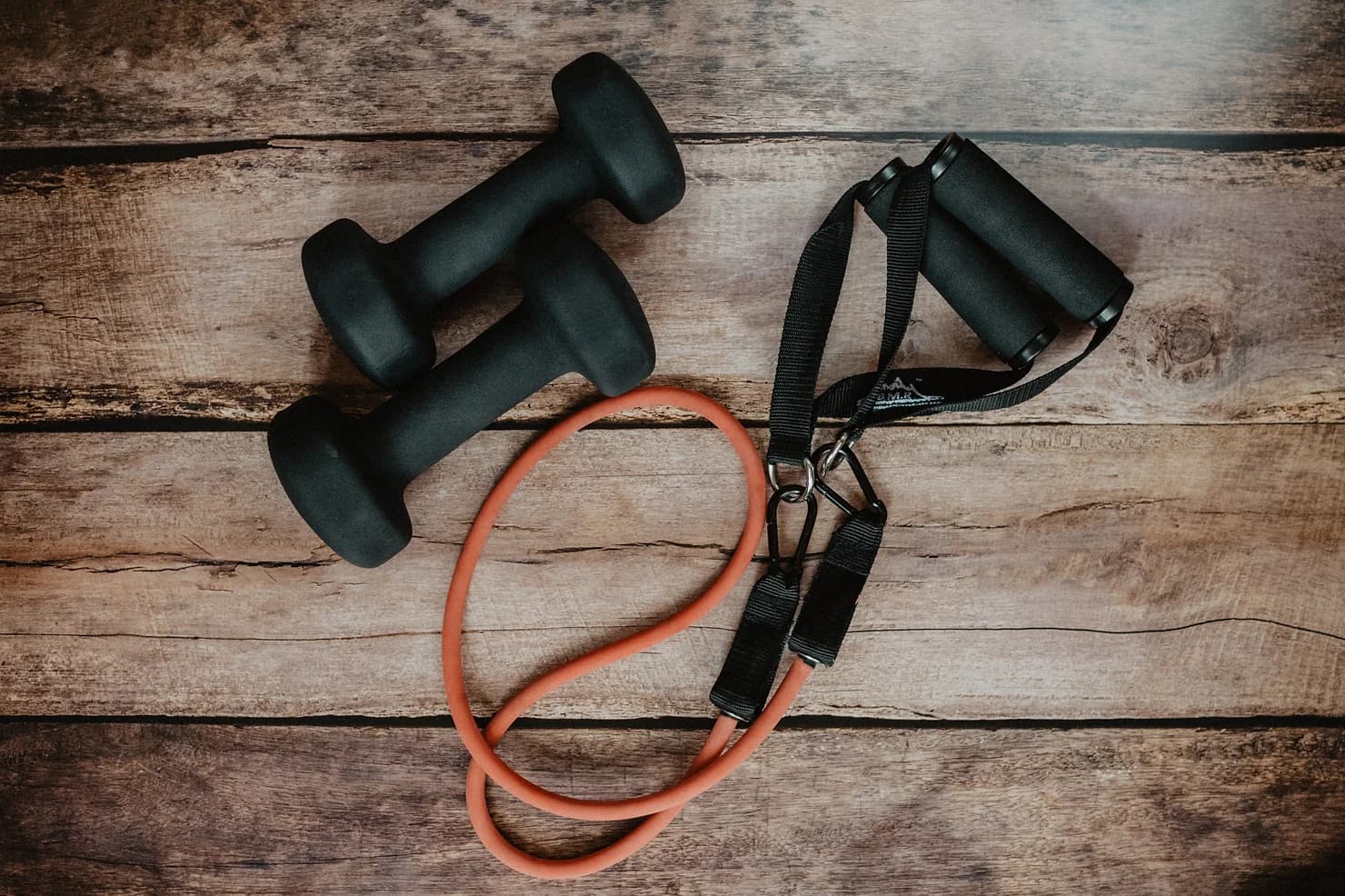
You don't need a gym to stay fit. Bodyweight exercises at home can build real strength, and a few simple tricks make them harder as you get fitter.
This post was first written during the COVID-19 lockdowns, but the advice holds whenever you can't get to the gym: when you're travelling, busy, or just prefer to exercise at home. Maybe your home workouts don't feel the same as your usual routine, you're getting bored, or you're not sure where to start. Here are some ideas to help.
How much exercise do I need?
Australia's physical activity guidelines say that doing any physical activity is better than doing none.¹ For adults aged 18–64, the aim is:¹
- 150–300 minutes (2½–5 hours) of moderate activity, or 75–150 minutes of vigorous activity, each week
- muscle-strengthening activities on at least 2 days a week
- as little time as possible sitting for long periods, and breaking up sitting as often as you can.
Exercise is good for your mind as well as your body. It can lift your mood, reduce stress, improve your sleep, and help prevent and ease the symptoms of depression and anxiety.²
If you're not active at the moment, start with a little and build up gradually.¹
When should I do it?
You don't have to do it all in one go. If 30 minutes straight doesn't suit you, break it up into a few shorter sessions through the day. Short exercise breaks away from the screen are a good way to break up long periods of sitting¹ and clear your head.
Plan your exercise for the day. You might do it all at once, or spread out several mini-sessions, each focusing on a different activity or part of the body.
No equipment? No problem
You don't need a home gym. Your own body weight, a sturdy chair and perhaps a yoga mat are enough. Bodyweight exercises such as push-ups, chair squats and step-ups can give you an all-round workout, and the results are often comparable to using weights and machines.³
How can I make bodyweight exercise harder?
Once an exercise feels easy, you can make it harder without adding weights. These ideas work for most exercises.
Slow it down. Most of us can do 10 squats at a normal pace. Now try taking 5 seconds to lower yourself to the bottom of the squat, and 5 seconds to come back up. Go straight into the next one without resting at the top. It's a lot harder.
Add a hold or pulses. At the bottom of the squat, hold still for 10 seconds, or do a few small pulses before coming back up. The plank is a great whole-body exercise built around a hold.
Change the tempo. Instead of doing 10 lunges, see how many you can do well in 20 seconds. Don't let your technique slip to get more done.
Mix it up. You don't need to do the same thing every day. Try something new, or use these tips to give your usual routine a fresh challenge.
Stop and get advice if an exercise causes pain, especially in your feet, ankles, knees or back.
When to see a podiatrist
It's worth getting help if you have pain when you exercise, a health condition that makes you unsure what's safe, or you've been inactive for a while and don't know where to start.
If foot, ankle or leg pain is stopping you exercising, our podiatrists can assess the problem and give you exercises to get you moving again.
To get started, book an appointment.
References
- Australian Government Department of Health (2021). Australia's Physical Activity and Sedentary Behaviour Guidelines for Adults (18–64 years). Reproduced by 10,000 Steps. https://www.10000steps.org.au/articles/physical-activity-guidelines/australias-physical-activity-sedentary-behaviour-guidelines-adults-18-64-years/
- Healthdirect Australia (2024). Exercise and mental health. https://www.healthdirect.gov.au/exercise-and-mental-health
- Solan M (2021). No equipment necessary. Harvard Health Publishing. https://www.health.harvard.edu/blog/no-equipment-necessary
Reviewed by Andrew Schox, Podiatrist, BSc(Hons) PGradDipPod MPod. Last reviewed October 2026.
Need Professional Podiatry Care?
Our experienced team is here to help with all your foot and ankle concerns. Book an appointment today for expert diagnosis and treatment.
Book an AppointmentRelated Articles
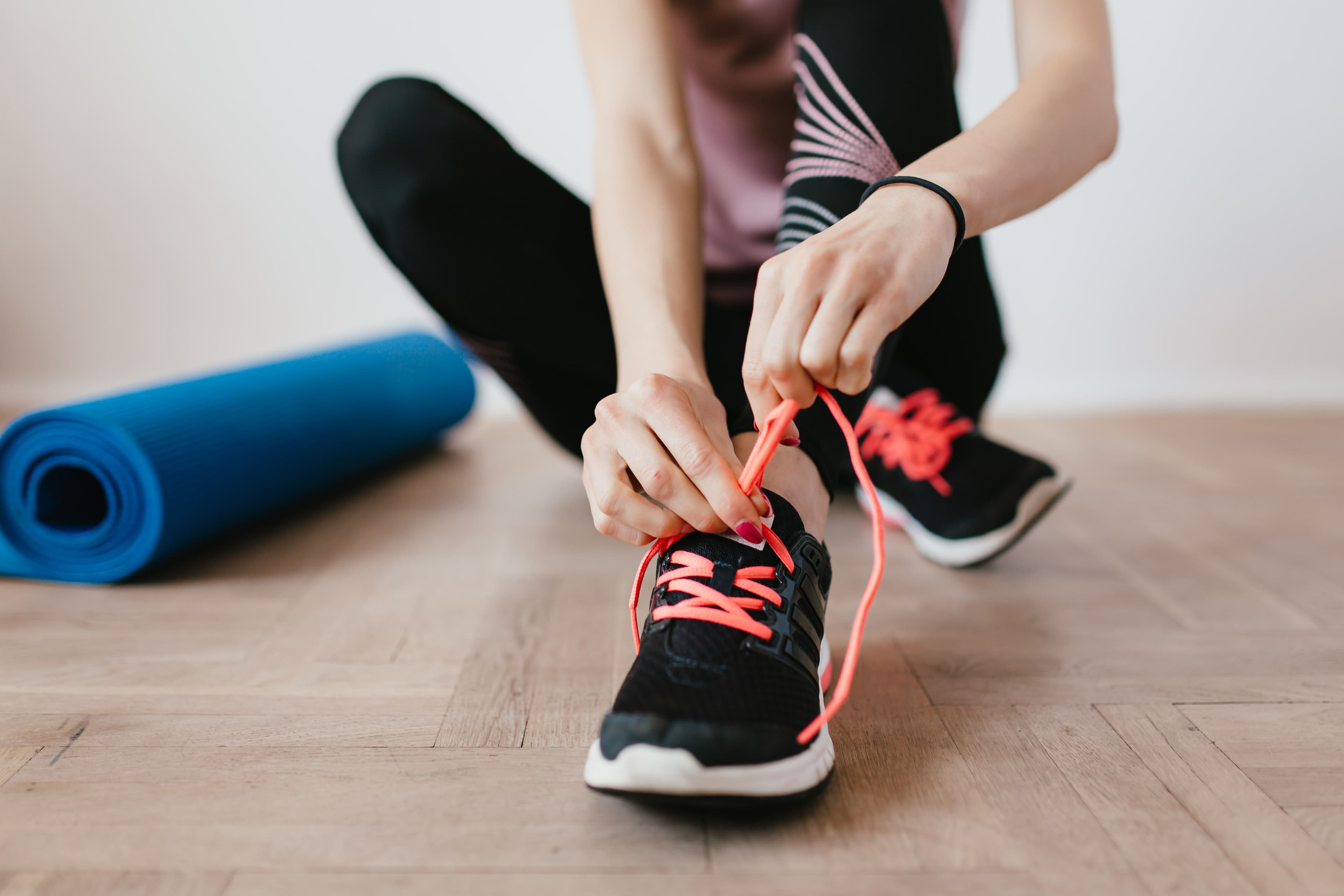
Simple shoe lacing techniques for comfort
How you lace your shoes changes how they fit. Simple lacing tweaks can ease pressure on wide feet, high arches and toenails, and stop your heel slipping.

Coronavirus (COVID-19): what we're doing
We follow infection control standards to keep our clinic safe. If you're unwell with cold or flu symptoms, please call us to move your appointment rather than coming in.
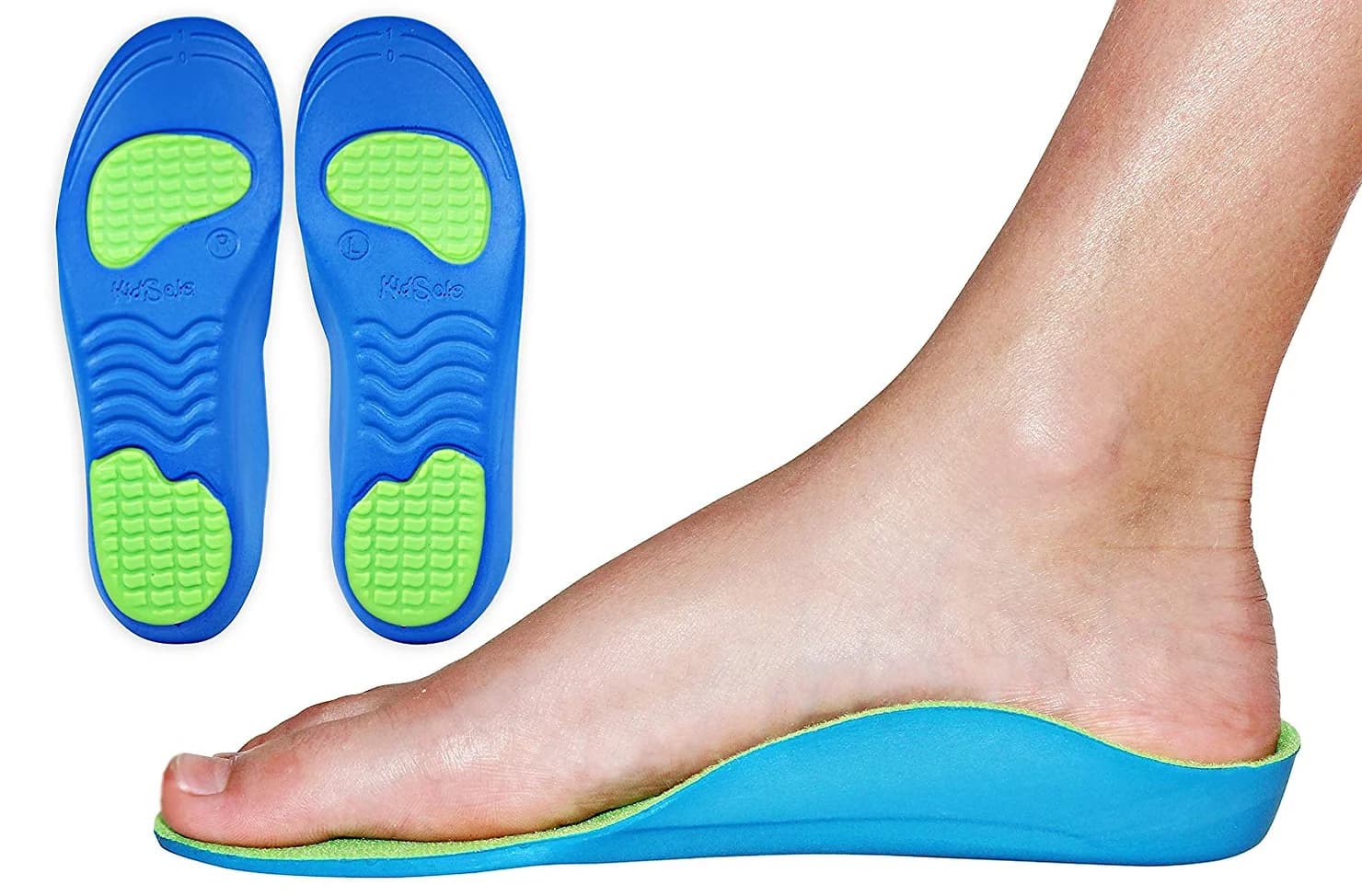
Why do my orthotics squeak in my shoes?
Squeaky orthotics are common and usually harmless. The noise comes from the orthotic rubbing against the shoe, and a few simple fixes at home usually stop it.