
Why do my orthotics squeak in my shoes?
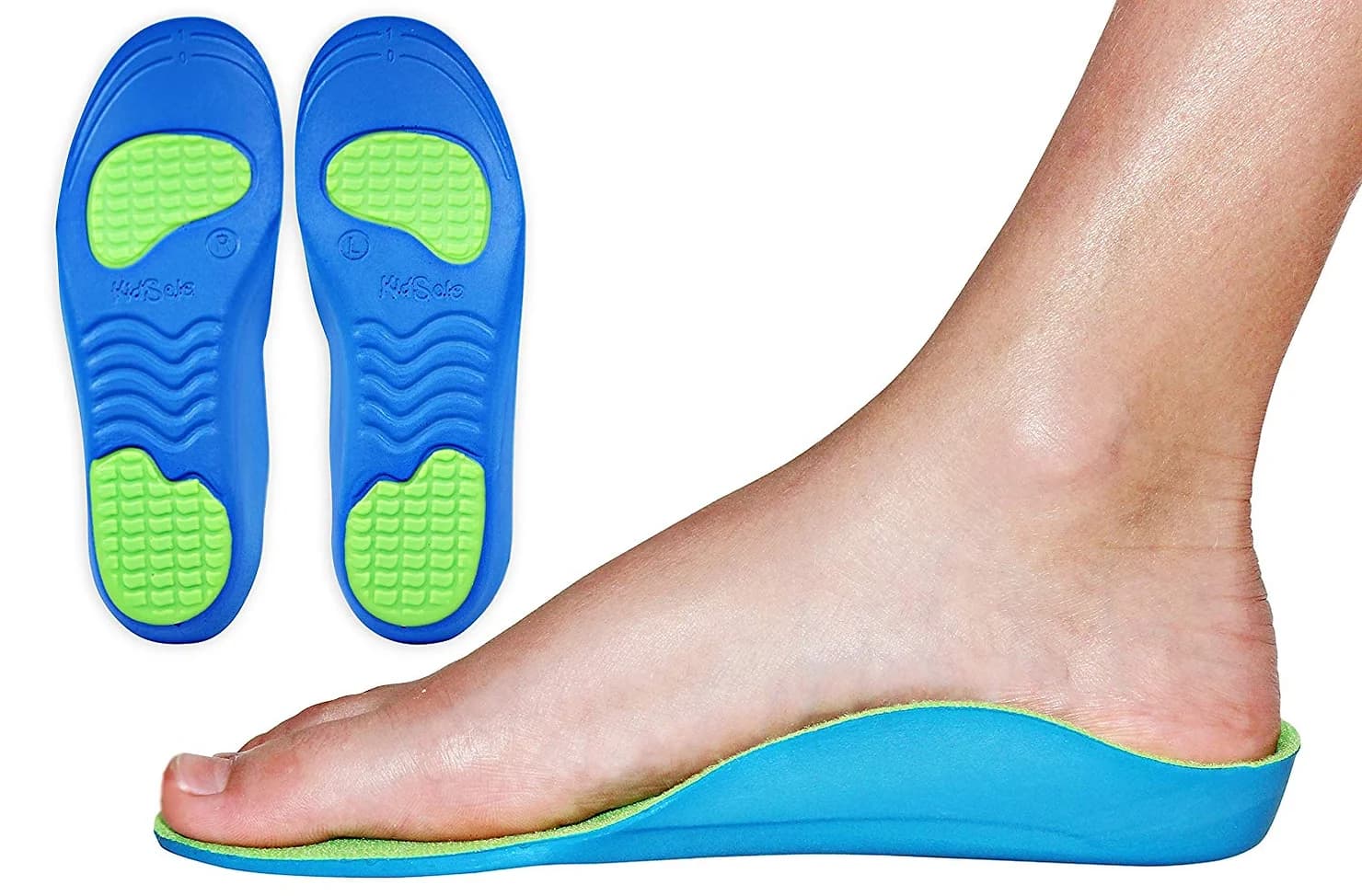
Squeaky orthotics are common and usually harmless. The noise comes from the orthotic rubbing against the shoe, and a few simple fixes at home usually stop it.
If your new orthoses (orthotics, or shoe inserts) squeak when you walk, don't worry. It's a common problem, it doesn't mean anything is wrong with them, and it's usually easy to fix.
Why do orthotics squeak?
Squeaking usually comes from friction: the underside of the orthotic rubs against the inside of the shoe as you walk. Sometimes the noise settles by itself once the orthoses and shoes have bedded in together.
Before you try to fix it, check that it's really the orthotic. Take the orthoses out and walk around in the shoes. If the shoes still squeak, the noise is coming from the shoe itself.
Quick fixes to try at home
Most squeaks can be stopped by reducing the friction between the orthotic and the shoe. Try one of these:
- Talcum powder. Sprinkle a little under the orthotic, or inside the shoe where the orthotic sits.
- Tape or moleskin. Stick a layer of cloth tape, duct tape or moleskin to the underside of the orthotic, especially at the heel and the front edge.
- A thin fabric layer. A piece of thin fabric or a dryer sheet placed under the orthotic can stop the rubbing.
- Check the fit in the shoe. If the orthotic moves around or the edges catch on the sides of the shoe, it's more likely to squeak. Make sure it sits flat, and remove the shoe's own insole if it's removable and the orthotic is designed to replace it.
We don't suggest silicone or oil sprays inside the shoe, because they can make the inside slippery. Don't soak your orthoses. Clean them by wiping occasionally with a warm, soapy, damp cloth, and let them dry naturally.¹
Getting used to new orthoses
New orthoses take a little getting used to. Wear them in gradually: start with up to an hour on the first day and build up to wearing them all day. It can take about 2 weeks to fully adjust.¹ Mild aching in your feet or legs at first is normal and should settle.¹
Stop wearing them and contact us if you get redness, blisters, increased pain or any new pain.¹
When to see your podiatrist
If the squeak doesn't stop after trying these fixes, bring your orthoses and the shoes you wear them in to a review appointment. Your podiatrist can:
- check how the orthoses fit your feet and your shoes
- find exactly where the noise is coming from
- adjust or smooth the edges, the heel or the top cover to stop it.
It's also a good idea to bring your orthoses to every podiatry appointment,¹ so we can check they're still working well for you.
If your orthoses are squeaking, rubbing or uncomfortable, book a review with our podiatrists.
References
- Aneurin Bevan University Health Board Podiatry & Orthotics (2026). A guide to the use and care of orthoses (PIU1070/3). https://abuhb.nhs.wales/files/patient-information-leaflets1/foot-care-podiatry/orthoses-a-guide-to-the-use-and-care-of-piu1070/
Reviewed by Andrew Schox, Podiatrist, BSc(Hons) PGradDipPod MPod. Last reviewed October 2026.
Need Professional Podiatry Care?
Our experienced team is here to help with all your foot and ankle concerns. Book an appointment today for expert diagnosis and treatment.
Book an AppointmentRelated Articles

Simple shoe lacing techniques for comfort
How you lace your shoes changes how they fit. Simple lacing tweaks can ease pressure on wide feet, high arches and toenails, and stop your heel slipping.
Home workouts: keeping fit without a gym
You don't need a gym to stay fit. Bodyweight exercises at home can build real strength, and a few simple tricks make them harder as you get fitter.
Coronavirus (COVID-19): what we're doing
We follow infection control standards to keep our clinic safe. If you're unwell with cold or flu symptoms, please call us to move your appointment rather than coming in.