
Ballet shoes and pointe shoes
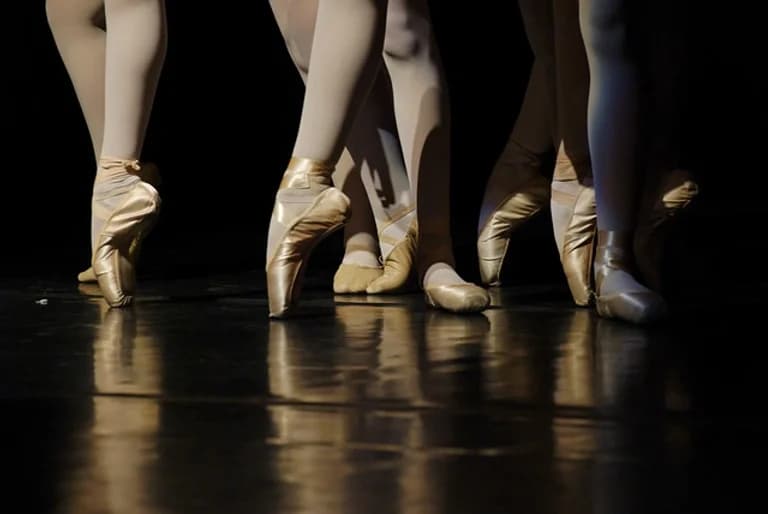
A pointe shoe that fits well, and starting pointe work only when you're ready, help protect a dancer's feet. Here's what to look for and why a professional fitting matters.
Pointe shoes let a ballet dancer dance "en pointe", on the tips of their toes. They were first used to make the dancer look as if she was floating across the stage. Today they're a key tool for serious ballet students and professionals. Because the shoe is all that protects the toes, a well-made shoe that fits your foot is important for comfort and to lower the risk of pain and injury.
How is a pointe shoe made?
A pointe shoe has a stiff box that encloses the toes, a flat platform at the tip that the dancer stands on, and a firm shank (the stiff sole) that supports the arch. Traditional shoes are handmade from layers of fabric and glue, which soften and mould to the foot with body heat and sweat.
Brands differ in the shape of the box and platform, the width fittings, and how stiff the shank is. Some brands, such as Grishko, offer several widths and a range of shank strengths from very soft to very hard. No single brand suits every foot. Dancers tend to rank fit and comfort above durability, and the "best" shoe is the one that feels right for that dancer.¹
Choosing the right shank
The dancer's strength and size should guide the choice of shank. A good shank lets the dancer feel lifted and supported, but still lets them roll through the foot and get up and over onto the platform. A shank that's too hard can make that difficult; one that's too soft gives too little support.
How long do pointe shoes last?
Not long. The box and shank break down with use, and how fast depends on the dancer, the shoe and how much they dance. Dancing in worn-out shoes changes how the foot and ankle move en pointe, and this may add to the risk of pain and injury.² Letting shoes dry fully between wears, and rotating more than one pair, helps them last longer.
When is a dancer ready for pointe?
Readiness depends on more than age. Teachers and health professionals look at the dancer's stage of growth, core control, leg alignment, foot and ankle strength and flexibility, and how long and how often they've been training.³ For a student who started ballet at eight or older and trains at least twice a week, pointe work usually starts in about the fourth year of training.³ Strength tests, such as how many single-leg heel raises a dancer can do, and balance are widely agreed to be important.⁴
A pointe-readiness assessment can help dancers, parents and teachers decide when to start, and which exercises would help first.⁴
Why a professional fitting matters
Pointe shoes should be fitted by an experienced, trained fitter. A poorly fitted shoe can cause pain or injury, or stop the dancer getting up onto the box at all.
At Foot Ankle Lower Limb, our podiatrists can check a dancer's feet and readiness for pointe, and help with blisters, corns, nail problems and foot pain.
When to see a podiatrist
See a podiatrist if a dancer has foot or ankle pain that doesn't settle after class, painful corns or nails, or if you're unsure whether they're ready for pointe.
To book a fitting or a pointe-readiness assessment, contact us.
References
- Cunningham BW, DiStefano AF, Kirjanov NA, et al. (1998). A comparative mechanical analysis of the pointe shoe toe box: an in vitro study. The American Journal of Sports Medicine, 26(4), 555–561. https://doi.org/10.1177/03635465980260041501
- Bickle C, Deighan M, Theis N. (2018). The effect of pointe shoe deterioration on foot and ankle kinematics and kinetics in professional ballet dancers. Human Movement Science, 60, 72–77. https://doi.org/10.1016/j.humov.2018.05.011
- Weiss DS, Rist RA, Grossman G. (2009). When can I start pointe work? Guidelines for initiating pointe training. Journal of Dance Medicine & Science, 13(3), 90–92. https://doi.org/10.1177/1089313X0901300304
- Ferguson H, Snipe R, Bonacci J, et al. (2026). Readiness for pointe shoes in ballet: a Delphi consensus study. Sports Medicine – Open, 12(1), 80. https://doi.org/10.1186/s40798-026-01038-5
Reviewed by Andrew Schox, Podiatrist, BSc(Hons) PGradDipPod MPod. Last reviewed October 2026.
Need Professional Podiatry Care?
Our experienced team is here to help with all your foot and ankle concerns. Book an appointment today for expert diagnosis and treatment.
Book an AppointmentRelated Articles
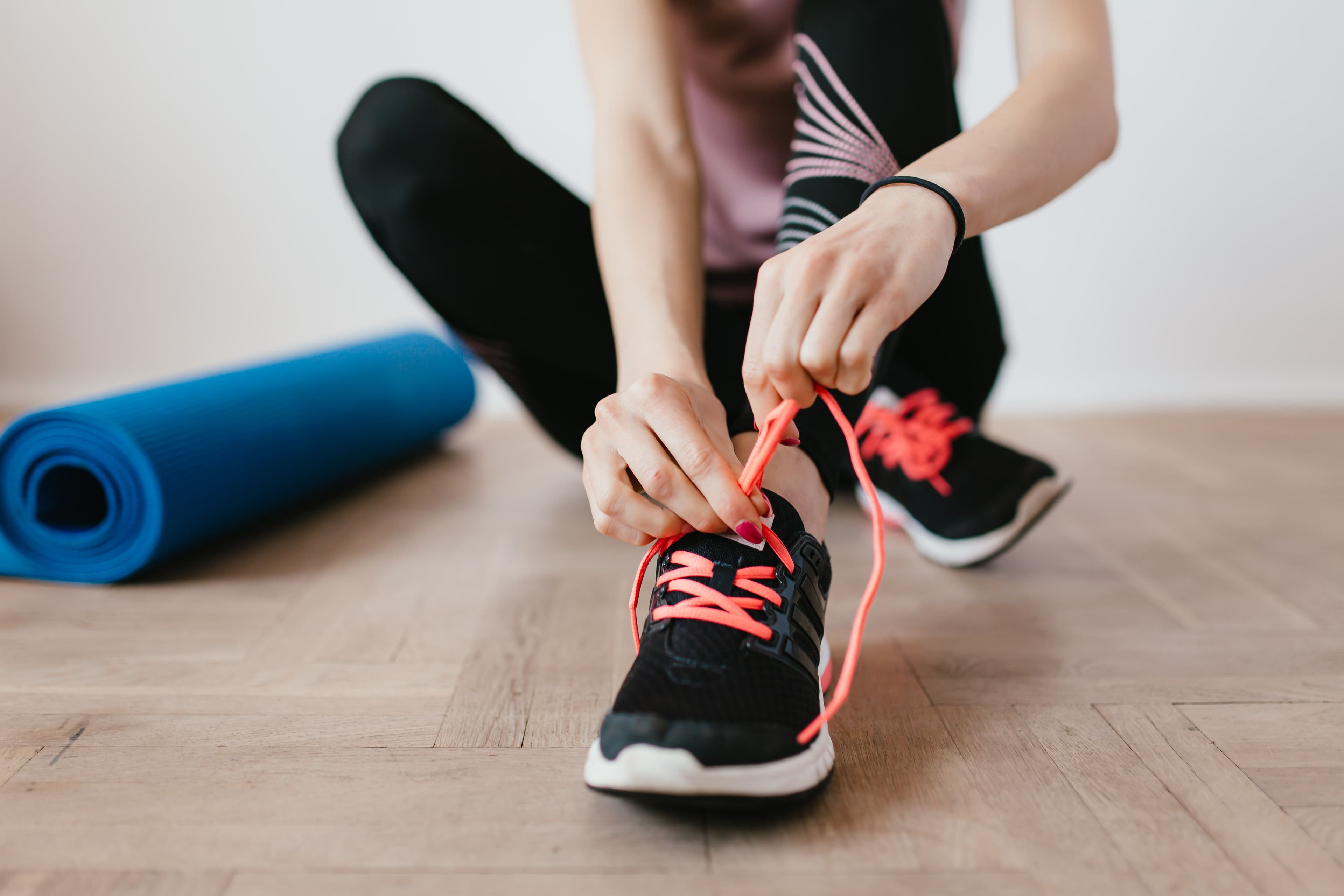
Simple shoe lacing techniques for comfort
How you lace your shoes changes how they fit. Simple lacing tweaks can ease pressure on wide feet, high arches and toenails, and stop your heel slipping.
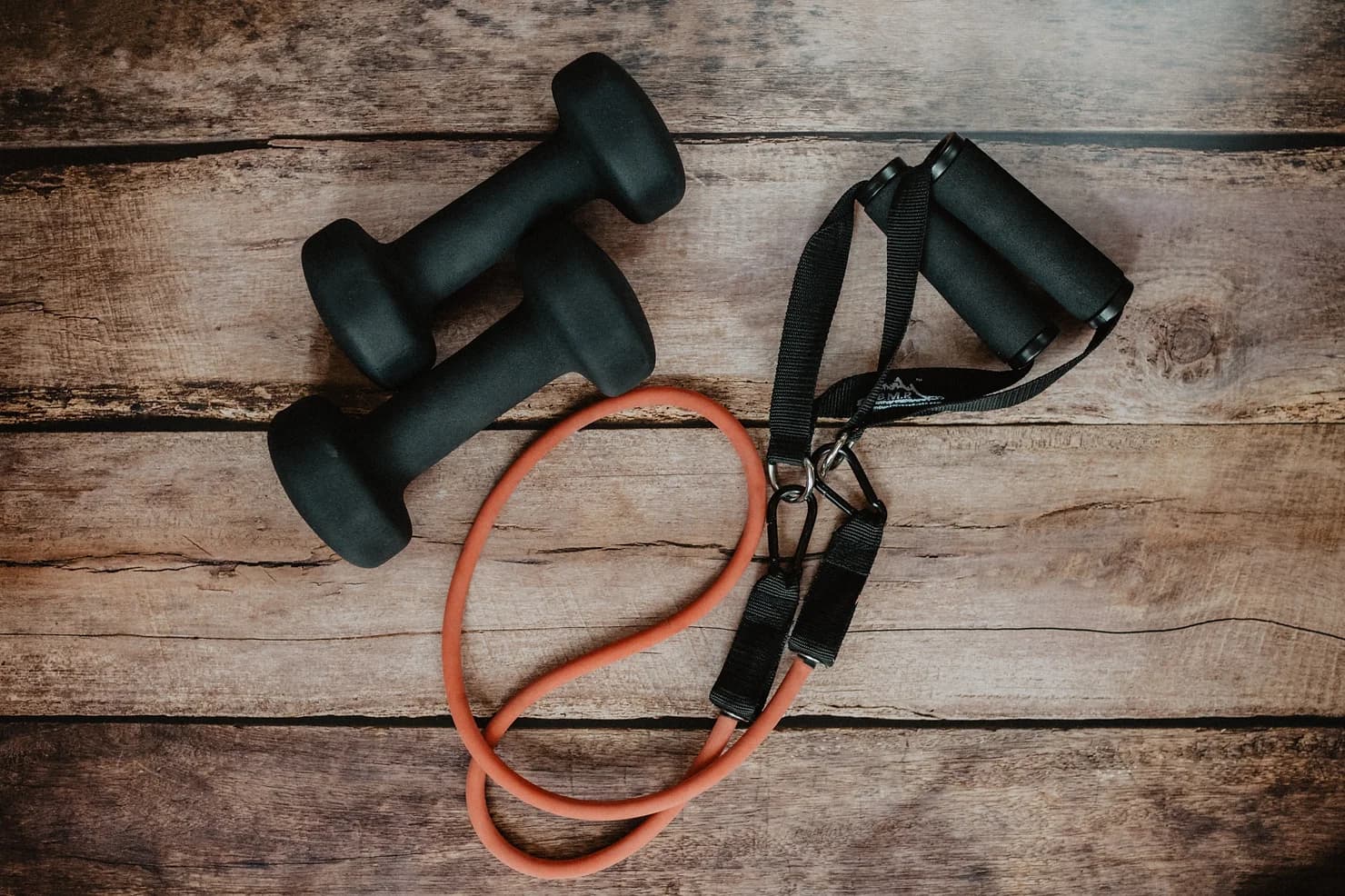
Home workouts: keeping fit without a gym
You don't need a gym to stay fit. Bodyweight exercises at home can build real strength, and a few simple tricks make them harder as you get fitter.

Coronavirus (COVID-19): what we're doing
We follow infection control standards to keep our clinic safe. If you're unwell with cold or flu symptoms, please call us to move your appointment rather than coming in.