
10 tips on how to get rid of smelly feet (bromhidrosis)
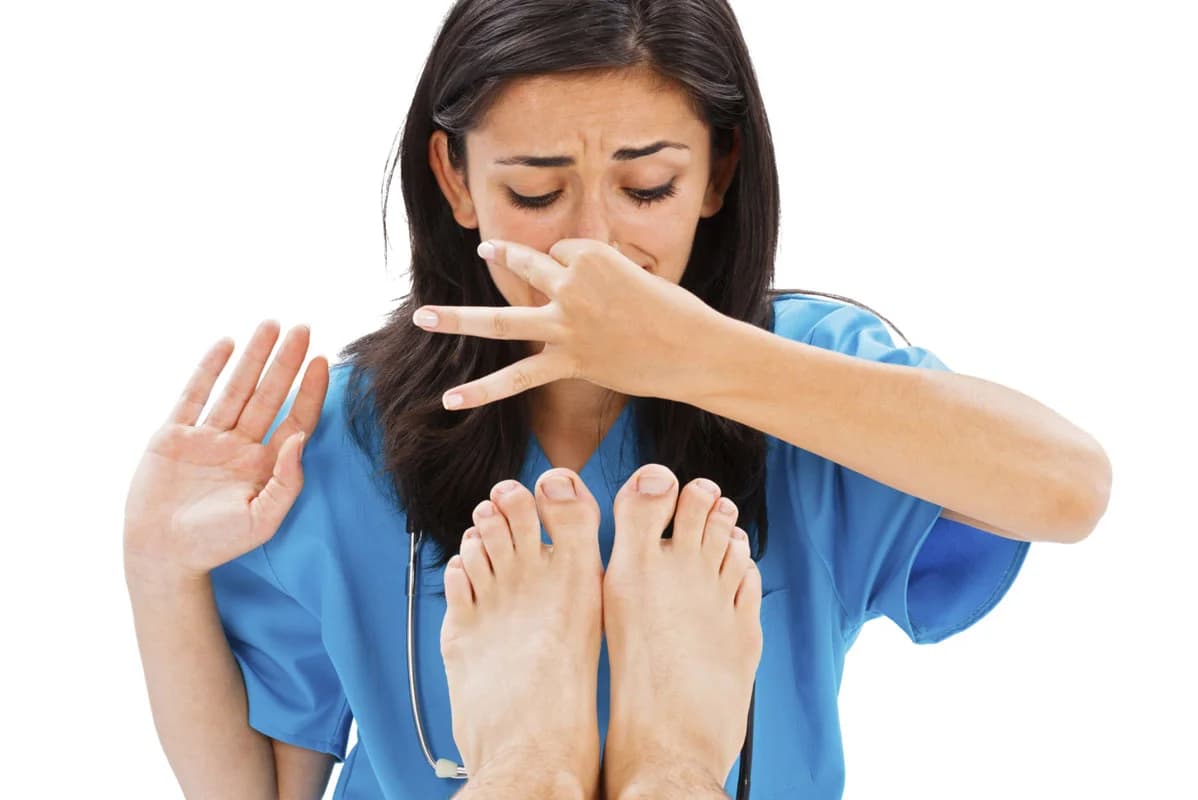
Smelly feet are common and usually easy to fix at home. The smell comes from bacteria feeding on sweat, so daily washing, dry socks and rested shoes make the biggest difference.
Smelly feet are common, and they can be embarrassing. The good news is that you can usually treat them yourself.¹ The medical name for an unpleasant body odour is bromhidrosis.² When it affects the feet, it's sometimes called bromodosis.
Why do feet smell?
Sweat itself doesn't smell much. The odour comes from bacteria that live on your skin and break down sweat and dead skin.² Sweat and bacteria building up on your feet is the main cause, and fungal infections such as athlete's foot can add to it.¹
Your feet are especially prone because the soles have some of the highest numbers of sweat glands on the body.³ Shut them inside socks and enclosed shoes all day and you have the warm, damp conditions bacteria love.
You may sweat more in hot weather, when you exercise or stand all day, if you're overweight, when your hormones change, with some medicines, or if you have a condition that causes heavy sweating (hyperhidrosis).¹
10 things you can do at home
- Wash your feet every day. Use a mild soap, or an antibacterial soap if you can.¹ Wash between your toes, where sweat and bacteria collect, and do it again after a long day in enclosed shoes.
- Dry them well, especially between the toes.
- Change your socks at least once a day. If your feet sweat a lot, change them twice a day.¹,⁴
- Choose breathable socks and shoes. Natural materials, such as cotton socks and leather shoes, let more moisture escape.¹
- Don't wear the same shoes two days in a row. Alternate between pairs so each pair can dry out fully before you wear it again.¹
- Air your feet. Take your shoes and socks off when you can.⁴ Avoid tight shoes.¹
- Use foot powder or an antiperspirant. A strong antiperspirant containing aluminium can reduce sweating.¹,⁴
- Keep your toenails short and clean, and use a foot file to remove hard skin, which bacteria can feed on.¹,²
- Try products from the pharmacy. A pharmacist can suggest antibacterial soaps or powders, foot deodorants, medicated insoles and antibacterial socks.¹
- Treat athlete's foot if you have it. Itchy, peeling or cracked skin between the toes may be a fungal infection. Ask your pharmacist about an antifungal cream or spray. If it doesn't clear up, see your GP or podiatrist.¹
How long until it improves?
There's no set timeline. Give a daily routine a couple of weeks before deciding it isn't working, and keep it up once the smell improves, because it tends to come back if you stop.
Could it be something else?
Sometimes a strong foot odour comes with a skin infection. Pitted keratolysis is a bacterial skin infection that causes a strong smell and small, crater-like pits on the soles, usually on sweaty feet.⁵ It's treated with antibiotic creams, along with keeping the feet dry.⁵ If you notice shallow pits on the soles of your feet, it's worth having them checked.
When to see a podiatrist or GP
See a podiatrist or your GP if:¹,⁴
- the smell hasn't improved after trying these steps
- it's affecting your daily life or confidence
- you sweat heavily all the time, or you've suddenly started sweating much more than usual
- you have pits, a rash, peeling or cracks on your feet that don't clear up.
If you have diabetes or poor circulation, have any skin problem on your feet checked early, because infections can be more serious.
A podiatrist can check for skin and nail infections, recommend products that suit your feet, and talk with you about treatment for heavy sweating if needed. If smelly feet are bothering you, book an appointment with our team at Foot Ankle Lower Limb.
References
- NHS (2025). Smelly feet. https://www.nhs.uk/symptoms/smelly-feet/
- Ngan V, Bandla S, Keefe M (2021). Bromhidrosis. DermNet. https://dermnetnz.org/topics/bromhidrosis
- Taylor NAS, Machado-Moreira CA. (2013). Regional variations in transepidermal water loss, eccrine sweat gland density, sweat secretion rates and electrolyte composition in resting and exercising humans. Extreme Physiology & Medicine, 2, 4. https://doi.org/10.1186/2046-7648-2-4
- Healthdirect Australia (2026). Excessive sweating. https://www.healthdirect.gov.au/excessive-sweating
- Lam C (2022). Pitted keratolysis. DermNet. https://dermnetnz.org/topics/pitted-keratolysis
Reviewed by Andrew Schox, Podiatrist, BSc(Hons) PGradDipPod MPod. Last reviewed October 2026.
Need Professional Podiatry Care?
Our experienced team is here to help with all your foot and ankle concerns. Book an appointment today for expert diagnosis and treatment.
Book an AppointmentRelated Articles

Simple shoe lacing techniques for comfort
How you lace your shoes changes how they fit. Simple lacing tweaks can ease pressure on wide feet, high arches and toenails, and stop your heel slipping.
Home workouts: keeping fit without a gym
You don't need a gym to stay fit. Bodyweight exercises at home can build real strength, and a few simple tricks make them harder as you get fitter.
Coronavirus (COVID-19): what we're doing
We follow infection control standards to keep our clinic safe. If you're unwell with cold or flu symptoms, please call us to move your appointment rather than coming in.