
When should I update my orthotics?
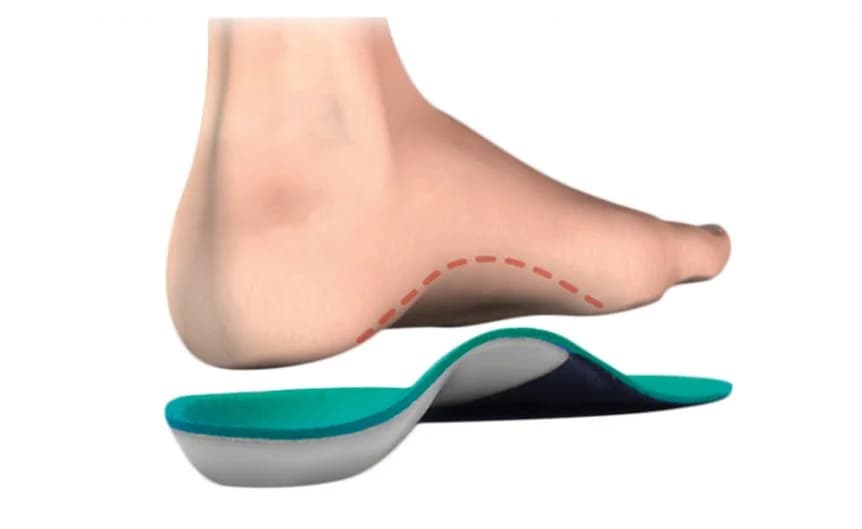
Most custom orthotics last two to three years. Replace or review them when your pain comes back, they're visibly worn or cracked, or your feet have changed size or shape.
Custom orthotics (also called foot orthoses, or shoe inserts) don't last forever. Most last at least a year, and many last two to three years.¹ But age alone isn't the best guide. What matters is whether they're still doing their job. Here are the signs it's time to have them checked.
How long do orthotics last?
It depends on what they're made of, how often you wear them and what you do in them. A pair worn every day for running or on your feet at work will wear faster than a pair worn only in your office shoes.
A good rule of thumb is that orthoses aren't replaced just because of their age. They should be reviewed if your pain or discomfort comes back, or if they're no longer working as they should.¹
Sign 1: your pain is coming back
The most important sign is the return of the symptoms your orthotics were made to help, such as heel pain or pain in the ball of the foot.¹ You might also notice new aches in your feet, knees or legs, or that your orthotics don't feel as supportive or comfortable as they used to.
This doesn't always mean they've worn out. Your activity, footwear or condition may have changed. Either way, it's a good reason to have them reviewed rather than putting up with the pain.
Sign 2: they're visibly worn or damaged
Take your orthotics out of your shoes every so often and have a close look. Signs of wear include:
- holes or bald patches in the top cover
- cracks or splits in the shell
- a top cover that's peeling or lifting
- a shell that has gone soft or bends much more easily than it used to
- uneven wear or flattened areas
- needing tape or glue to hold them together
Sometimes only the top cover or padding is worn, and the shell underneath is still sound. In that case, we can often refurbish them with a new cover rather than making a new pair.
Sign 3: your feet have changed
Orthotics are made to fit your feet at a point in time. If your feet change, your orthotics may no longer fit or work well.
- Children's feet grow. Children's orthotics need checking more often, about every six months, or sooner if their feet grow by a shoe size, the orthotics look worn, or their symptoms come back.²
- Pregnancy. Pregnancy can permanently lower the arch and make the feet longer, especially the first pregnancy.³
- Injury, surgery or arthritis can change the shape of the foot or how it moves.
- Weight changes and new footwear, such as a change in work boots or sports shoes, can also affect how your orthotics fit.
Looking after your orthotics
Your orthotics will last longer if you look after them. Wipe them with a damp cloth when they need cleaning rather than soaking them in water.¹ Let them air dry away from direct heat, such as a heater or a hot car, which can warp some materials. Wear them in shoes that are deep and wide enough to hold them, ideally with laces or a strap and a removable insole.¹
When to see a podiatrist
We recommend a review about once a year, even if things feel fine. Book sooner if:
- your pain has come back or you have new pain
- your orthotics are cracked, split or worn through
- your child's feet have grown, or it's been six months since their orthotics were made²
- you've been pregnant, had an injury or surgery, or your feet have changed shape
- you've changed the type of shoes you wear most of the time
At your review, we'll check your feet and how you walk, look over your orthotics, and tell you whether they need adjusting, refurbishing or replacing.
To have your orthotics checked, book an appointment with our podiatrists.
References
- The Dudley Group NHS Foundation Trust (2024). Information about your insole or foot orthosis. https://www.dgft.nhs.uk/leaflet/information-about-your-insole-or-foot-orthosis
- North Tees and Hartlepool NHS Foundation Trust (n.d.; review date July 2026). Insoles for children: wear and care information. https://www.nth.nhs.uk/resources/insoles-for-children-wear-and-care-information/
- Segal NA, Boyer ER, Teran-Yengle P, et al. (2013). Pregnancy leads to lasting changes in foot structure. American Journal of Physical Medicine & Rehabilitation, 92(3), 232–240. https://doi.org/10.1097/PHM.0b013e31827443a9
Reviewed by Andrew Schox, Podiatrist, BSc(Hons) PGradDipPod MPod. Last reviewed October 2026.
Need Professional Podiatry Care?
Our experienced team is here to help with all your foot and ankle concerns. Book an appointment today for expert diagnosis and treatment.
Book an AppointmentRelated Articles
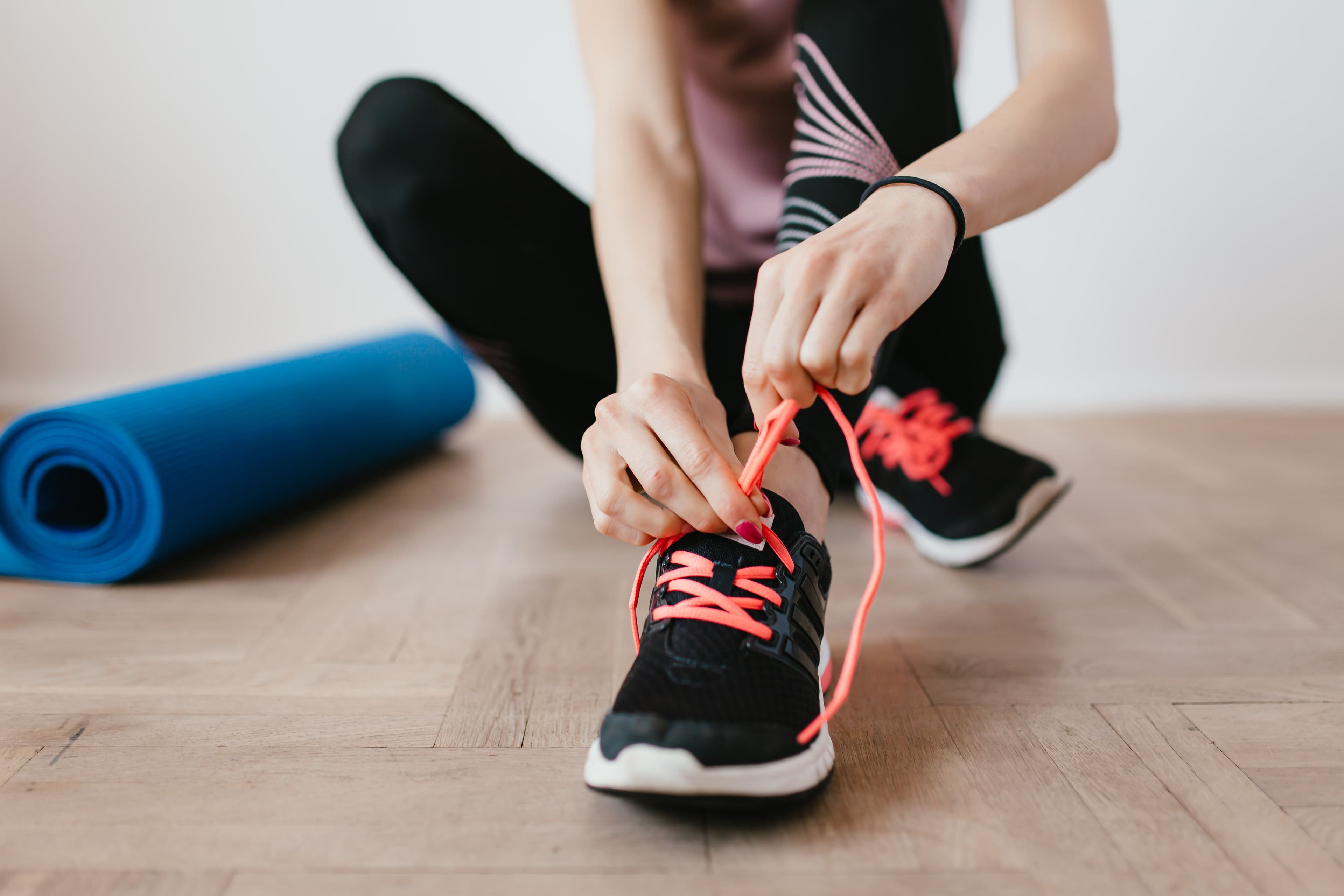
Simple shoe lacing techniques for comfort
How you lace your shoes changes how they fit. Simple lacing tweaks can ease pressure on wide feet, high arches and toenails, and stop your heel slipping.
Home workouts: keeping fit without a gym
You don't need a gym to stay fit. Bodyweight exercises at home can build real strength, and a few simple tricks make them harder as you get fitter.
Coronavirus (COVID-19): what we're doing
We follow infection control standards to keep our clinic safe. If you're unwell with cold or flu symptoms, please call us to move your appointment rather than coming in.