
Winter foot care tips
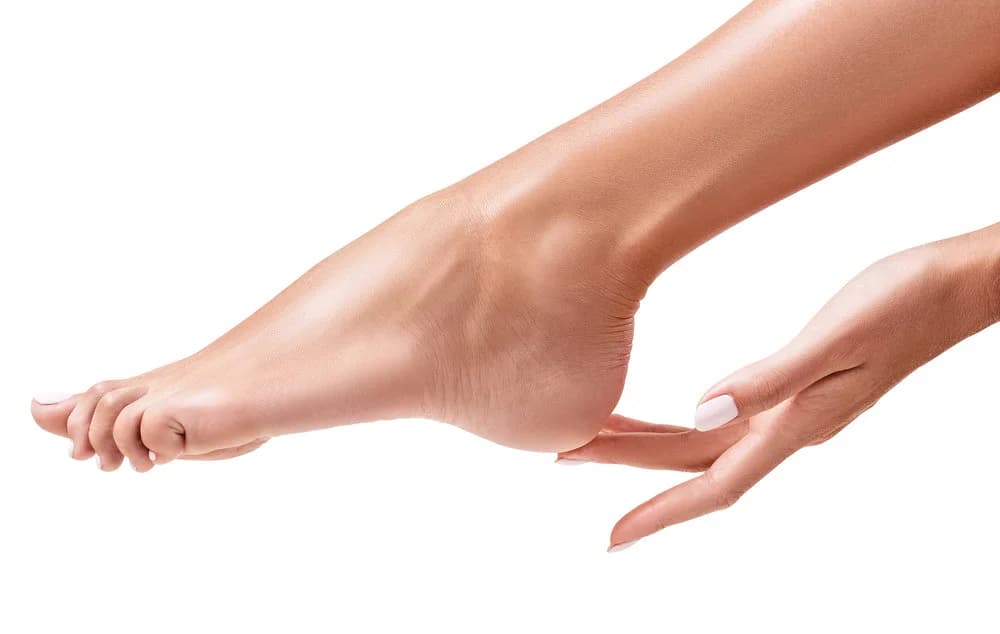
In winter, feet spend long hours in closed shoes and dry, heated air. Keep them dry, moisturise cracked heels, warm up gently, and take extra care if you have diabetes.
Winter brings its own foot problems. Your feet spend more time in closed shoes and socks, which can trap moisture, while cold weather and indoor heating dry out the skin. A few simple habits can keep your feet comfortable and healthy until spring.
Keep your feet clean and dry
Fungal infections such as tinea (athlete's foot) thrive in warm, moist places,¹ like the inside of a closed winter shoe. To lower your risk:
- dry your feet well after washing, especially between your toes¹
- choose socks made from natural fibres such as cotton or wool¹
- change your socks every day,¹ and sooner if they get damp or sweaty
- if you can, rotate between two pairs of shoes so each pair has time to dry out fully.
If your shoes get wet, let them dry properly before you wear them again. Stuffing them with newspaper can help.
Choose the right footwear
Winter is a good time for enclosed, supportive shoes or boots that keep your feet warm and dry. Look for a good fit, a firm heel and a fastening such as laces or Velcro. Make sure there's room for thicker winter socks, so your toes aren't squashed.
Look after dry skin and cracked heels
Dry skin is the most common cause of cracked heels.² Standing for long periods, extra body weight, and going barefoot or wearing open-backed shoes also make cracks more likely.² Deep cracks can be painful, bleed and become infected.²
To prevent and treat them:²
- moisturise your heels regularly. A foot cream containing urea is a good choice
- gently reduce hard skin with a pumice stone or foot file after softening it. Never use a blade
- avoid putting urea or heel-balm creams on open cracks, as they can sting.
If your cracked heels are deep or painful, or if you have diabetes, see a podiatrist rather than treating them yourself.²
Give your nails a break
It's tempting to leave nail polish on all winter when no one sees your toes. But red polish worn without a base coat can stain your nails yellow.³ Taking a break from polish also lets you notice any changes to your nails, such as thickening or discolouration, which might be a fungal infection.³
Warm up gently
Cold toes are common in winter, but warming them too quickly can trigger chilblains: itchy, painful red or purple patches on the toes.⁴ Wear warm socks and footwear, and warm up gradually rather than putting your feet close to a heater or in hot water.⁴ Read more about chilblains.
If you have diabetes or reduced feeling in your feet, take extra care with heat. Don't sit with your feet in front of a fire or heater to warm them up, and take hot water bottles and heat packs out of your bed before you get in.⁵ You may not feel a burn until it's too late. Wear socks to keep your feet warm instead.⁵
When to see a podiatrist
See a podiatrist if you have:
- cracked heels that are deep, painful or bleeding
- itchy, peeling skin between your toes that doesn't clear up
- thick or discoloured nails
- chilblains that don't heal within a few weeks, or keep coming back
- diabetes, poor circulation or reduced feeling in your feet, and any cut, blister or crack.
Our podiatrists at Foot Ankle Lower Limb can help keep your feet in good shape through winter. Book an appointment.
References
- Healthdirect Australia (2025). Tinea. https://www.healthdirect.gov.au/tinea
- bpacnz (2014). Cracked heels: stop them in their tracks. Best Practice Journal, 65, 39–40. https://bpac.org.nz/BPJ/2014/December/docs/BPJ65-cracked-heels.pdf
- American Academy of Dermatology (n.d.). 12 nail changes a dermatologist should examine. https://www.aad.org/public/everyday-care/nail-care-secrets/basics/nail-changes-dermatologist-should-examine
- NHS (2026). Chilblains. https://www.nhs.uk/conditions/chilblains/
- College of Podiatry (2018). Your foot check has shown that you are at high risk of developing foot problems. NHS England. https://www.england.nhs.uk/north/wp-content/uploads/sites/5/2018/12/High-Risk-Feet.pdf
Reviewed by Andrew Schox, Podiatrist, BSc(Hons) PGradDipPod MPod. Last reviewed October 2026.
Need Professional Podiatry Care?
Our experienced team is here to help with all your foot and ankle concerns. Book an appointment today for expert diagnosis and treatment.
Book an AppointmentRelated Articles

Simple shoe lacing techniques for comfort
How you lace your shoes changes how they fit. Simple lacing tweaks can ease pressure on wide feet, high arches and toenails, and stop your heel slipping.

Home workouts: keeping fit without a gym
You don't need a gym to stay fit. Bodyweight exercises at home can build real strength, and a few simple tricks make them harder as you get fitter.
Coronavirus (COVID-19): what we're doing
We follow infection control standards to keep our clinic safe. If you're unwell with cold or flu symptoms, please call us to move your appointment rather than coming in.