
Foot health insights
Foot Ankle Lower Limb Blog
Stay informed about foot health, treatment options, and prevention strategies with insights from our expert podiatrists.
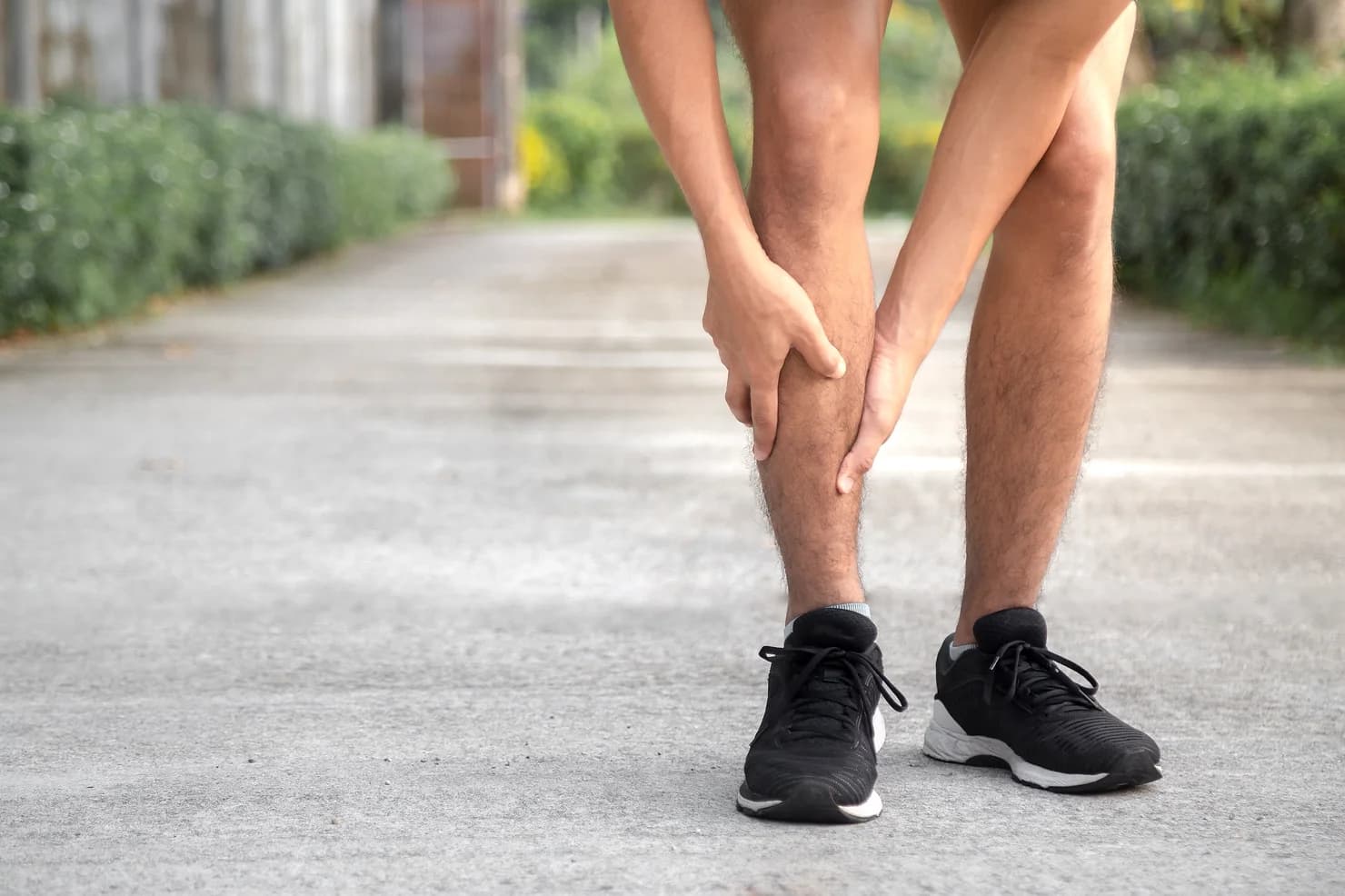
Shin splints
Shin splints cause aching along the inner edge of the shin bone, usually from doing too much running or jumping too soon. Rest and a gradual return to sport usually fix it within weeks.
Read more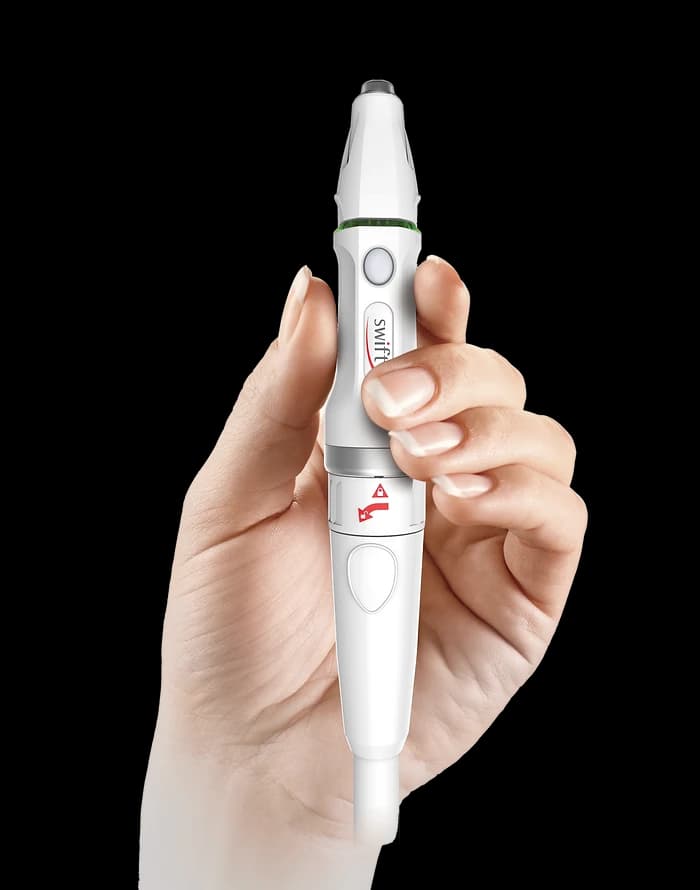
Swift wart therapy at FALL
Swift uses microwave energy to treat stubborn plantar warts. Most warts clear in two to three sessions. It hurts briefly, but there's no wound or dressing afterwards.
Read more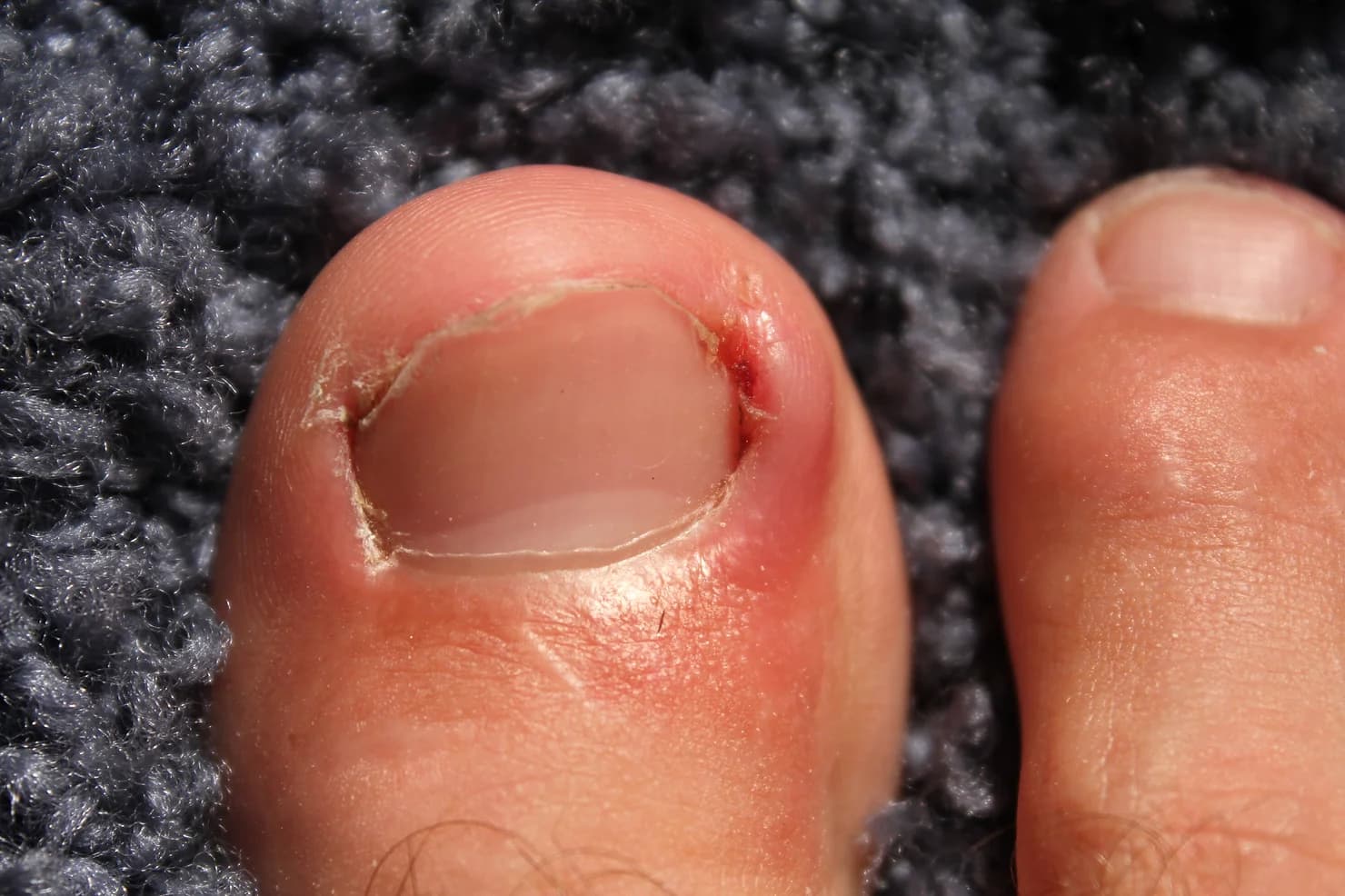
7 myths about ingrown toenails
An ingrown toenail keeps hurting until the piece of nail digging into the skin is removed. Antibiotics or cutting a "V" won't fix it, but a simple procedure usually does.
Read more
Home workouts: keeping fit without a gym
You don't need a gym to stay fit. Bodyweight exercises at home can build real strength, and a few simple tricks make them harder as you get fitter.
Read more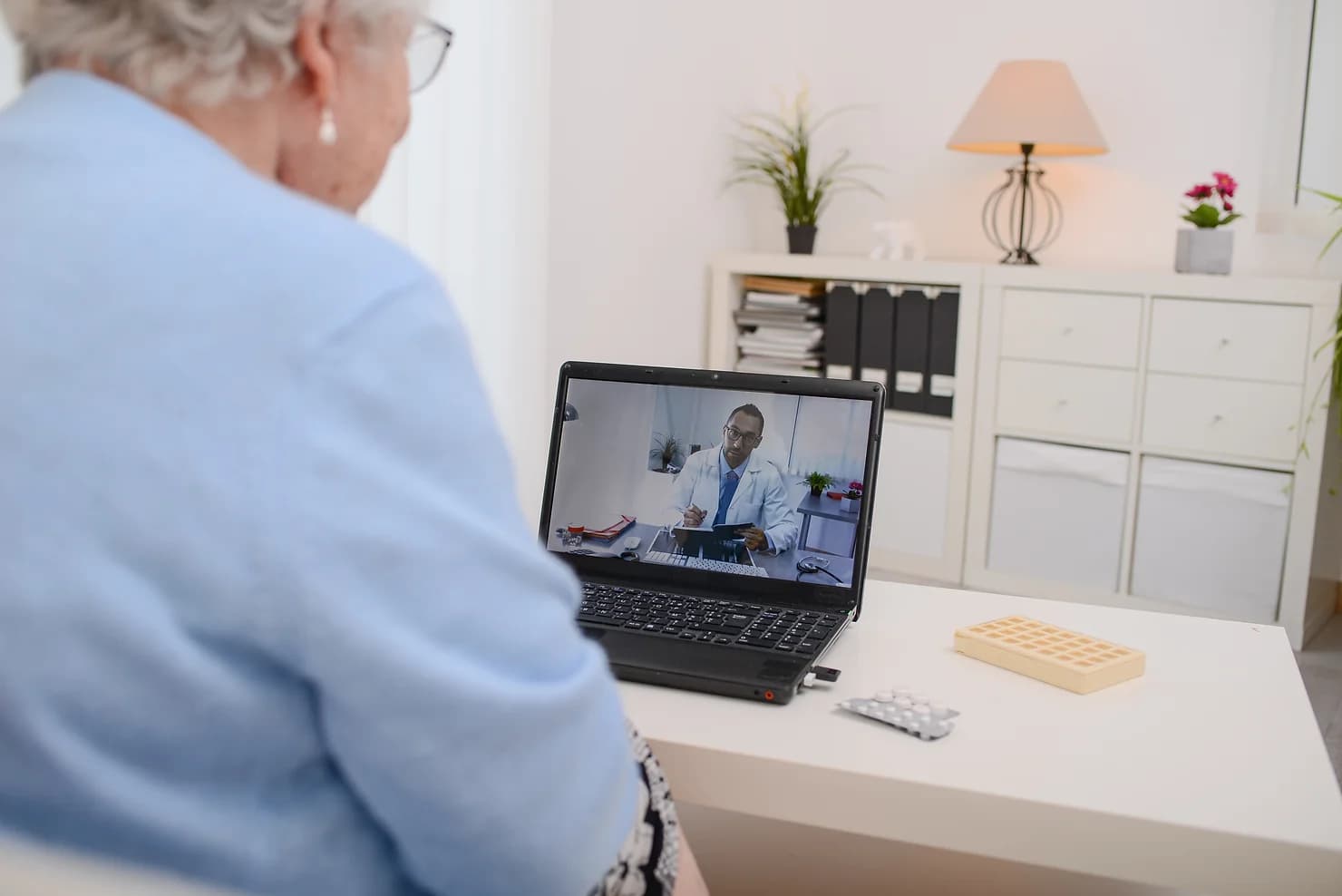
Telehealth (online consultations)
A telehealth appointment lets you talk with our podiatrists by video from home. It suits advice, exercise programs and reviews, but some problems need an in-person visit.
Read more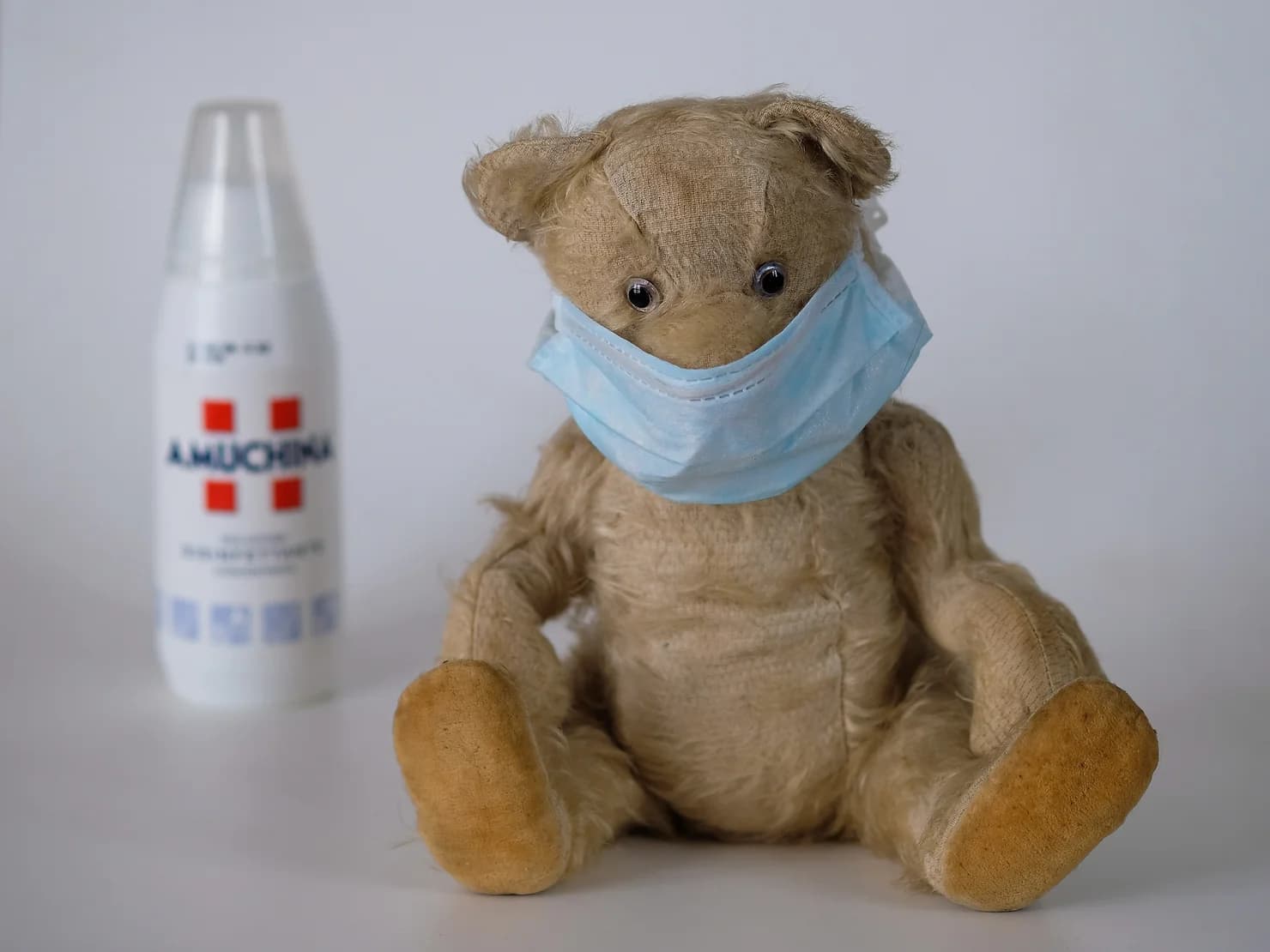
Coronavirus (COVID-19): what we're doing
We follow infection control standards to keep our clinic safe. If you're unwell with cold or flu symptoms, please call us to move your appointment rather than coming in.
Read more
Our approach to our patients
At Foot Ankle Lower Limb, every patient gets a clear management plan: what's wrong, what we'll do, who's involved and what you can do. We start simple and use treatments backed by evidence.
Read more
Why is my child so flexible? Hypermobility in children
Many children are very flexible, and most have no problems from it. If flexibility comes with pain, tiredness or frequent sprains, strength work and good shoes can help.
Read more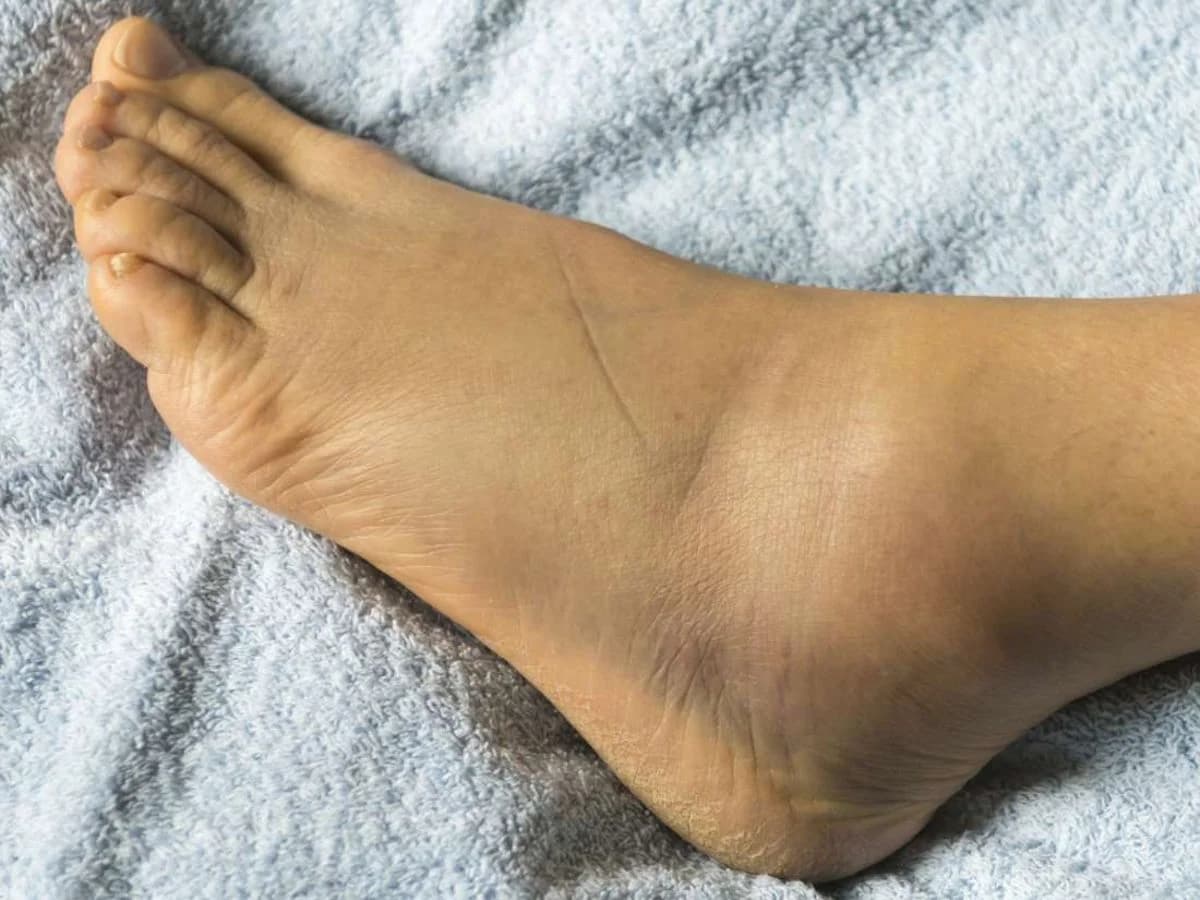
Why do I get swollen feet and ankles?
Swollen feet and ankles are often harmless, caused by heat, standing or pregnancy. But swelling can also signal a blood clot, an infection, or a heart, kidney or liver problem.
Read more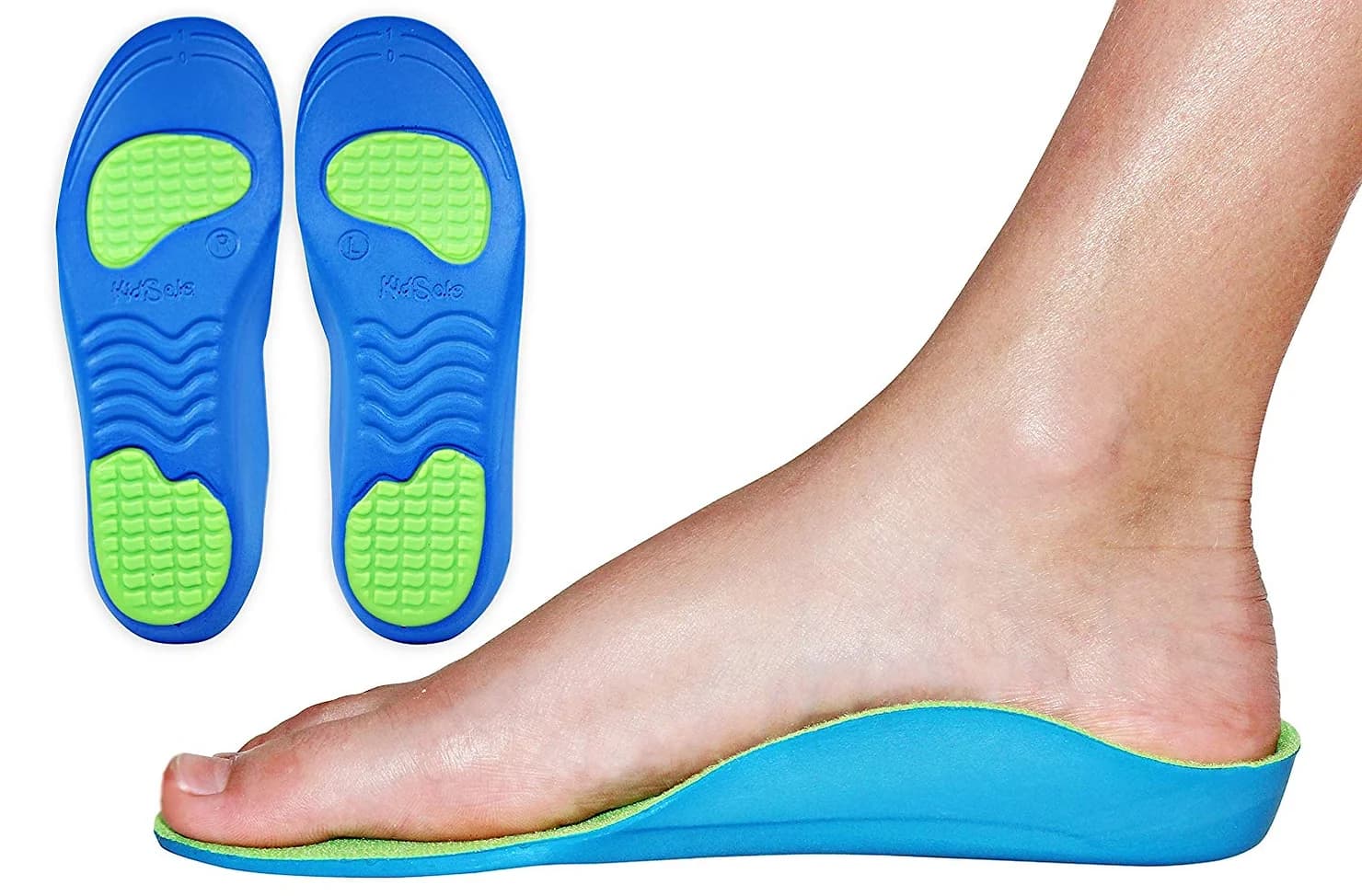
Why do my orthotics squeak in my shoes?
Squeaky orthotics are common and usually harmless. The noise comes from the orthotic rubbing against the shoe, and a few simple fixes at home usually stop it.
Read more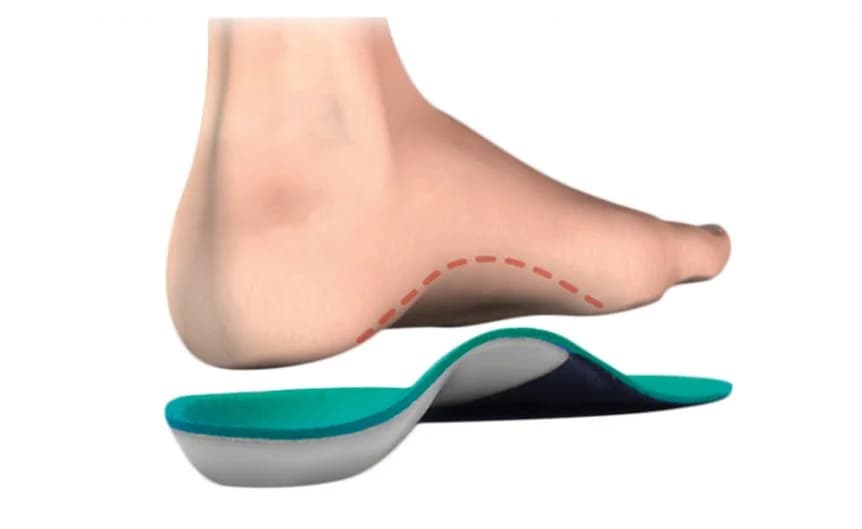
When should I update my orthotics?
Most custom orthotics last two to three years. Replace or review them when your pain comes back, they're visibly worn or cracked, or your feet have changed size or shape.
Read more
Winter foot care tips
In winter, feet spend long hours in closed shoes and dry, heated air. Keep them dry, moisturise cracked heels, warm up gently, and take extra care if you have diabetes.
Read more